Add Row
Add Element
cropper
update

{COMPANY_NAME}

Digital Nomad Weekly logo
update
Add Element
  • Home
  • Categories
    • Productivity
    • Health
    • Packing
    • Food
    • Wellness
    • Workspaces
    • Culture
March 01.2025
4 Minutes Read

Building a Food Legacy: Charleston's Black Culinary Entrepreneurs Inspire Change

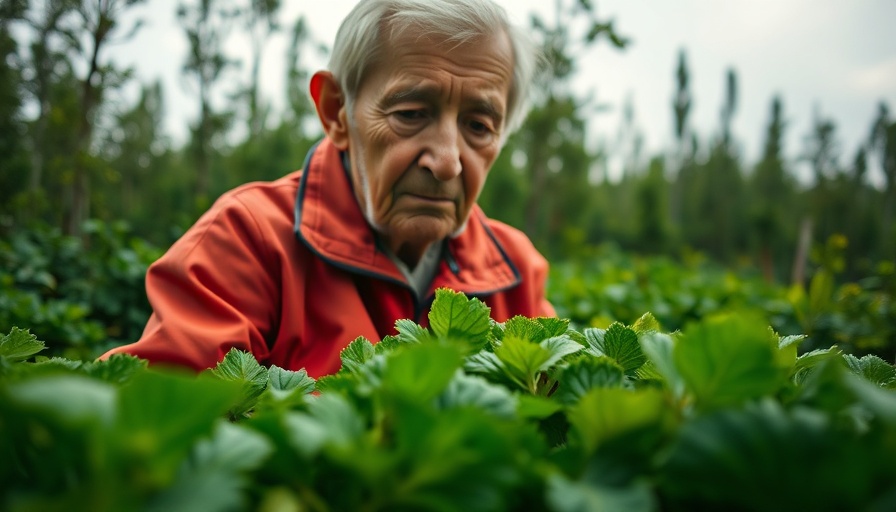
Charleston Black Culinary Entrepreneurs harvesting fresh greens.

A Culinary Journey Through Charleston's Historic Legacy

Few cities in the U.S. embody the intersection of culinary excellence and cultural heritage like Charleston, South Carolina. Established in the late 1600s, Charleston thrived as a major port city, entwined with the painful legacies of slavery and the vibrant Gullah culture that would define its foodways. These traditions have not only survived but thrived, thanks to innovative Black culinary entrepreneurs reinvigorating this rich history while paving new paths for the future.

Connecting Food with Heritage: Meet the Visionaries

In a recent exploration of this picturesque coastline, we uncover the stories of prominent African American culinary entrepreneurs transforming their communities through food. Among them is Sarah Reynolds Green, who leads the Young Farmers and Chefs of the Lowcountry program at Marshview Community Organic Farm. With a passion rooted in childhood memories of farming, she teaches youth about agriculture and the importance of maintaining a connection to their Gullah roots. Green emphasizes that growing food instills good energy, stating, "Your vibration has an effect on the universe." Her mission is about more than just farming; it's about instilling pride and encouraging young people to reclaim their narratives around agriculture.

The Call of the Water: Ecotourism and Empowerment

Tia Clark, founder of Casual Crabbing With Tia, has also carved out her niche in this culinary renaissance. By offering ecotourism experiences, Clark invites participants to explore the waters of Charleston while learning about fishing traditions that have deep roots in Black culture. As she netted crabs with guests at Brittlebank Park, she reinforced a vital connection: "If you don't have a relationship with this water and know this water, you probably don't know who you are." Through her tours, she not only showcases Charleston’s culinary legacy but also creates opportunities for empowerment and environmental awareness.

Unearthing History: Gardens that Tell Stories

The journey through Charleston's culinary landscape wouldn't be complete without recognizing the important work of Ty Collins and Robert Bellinger at the historically significant Middleton Place plantation. Their Asé Garden serves as a powerful tribute to the enslaved gardeners who helped sculpt the land and its bounty. They work to resurrect culturally significant crops that have been lost to time, deepening the understanding of the heritage foods that form the foundation of Southern cooking. "Food isn’t just nutrition; it’s the marrow of our histories and identities," Collins remarks, highlighting the deep connection between what we eat and the stories we tell.

Pushing Culinary Boundaries in Bluffton

Bernard Bennett, chef and co-owner of Okàn in Bluffton, takes this legacy a step further. He embraces innovation while honoring the rich flavors of the Lowcountry, by incorporating inspiration from his heritage, such as West African dishes into his menus. His approach challenges diners to expand their palates and explore lesser-known facets of Southern cuisine. Each dish is an opportunity for guests to encounter the vibrancy of African American foodways, which historically have influenced Southern eating.

Knives that Tell a Story

In St. Stephen, Quintin Middleton, also a descendant of the notable Middleton family, has opened a unique knife shop. By crafting bespoke knives and utilizing techniques rooted in craftsmanship, he invokes the legacy of Black smiths who shaped the workforce of early Charleston. His story is one of passion for his craft and respect for tradition, proving that history can indeed be wielded in the art of cooking.

Keeping Traditions Alive with a Modern Twist

As we traverse Charleston's vibrant culinary scene, we meet Brittney Wall, who runs Shucktowne Mobile Oyster Bar, showcasing her creativity while paying homage to local traditions. By reimagining classic oyster condiments with cocktail-inspired flavors, she connects contemporary dining trends with the rich history of Coastal Carolina. Wall notes, "Food isn’t meant to stay the same forever. It changes with the people who cook it and enjoy it." Her enthusiasm is infectious, embodying the spirit of culinary evolution in the Lowcountry.

From educational programs to culinary innovations, these entrepreneurs demonstrate that food is not just sustenance but a vibrant tapestry woven from history, culture, and adaptability. Their stories serve not only to enrich our palates but also to awaken our consciousness about the histories intertwined with the food we eat.

Explore Charleston's Culinary Heritage

To dive deeper into Charleston's culinary legacy and experience these remarkable flavors firsthand, visit these entrepreneurs to taste their delicious dishes and learn their inspiring stories. It's an adventure for both your taste buds and your soul.

Food

Write A Comment

*
*
Related Posts All Posts
12.08.2025

Is Delta Comfort Plus Worth It for Digital Nomads? Discover the Benefits

Explore the Delta Comfort Plus Review and uncover if this extra legroom upgrade is worth it for digital nomads and travelers seeking comfort during flights!

12.07.2025

Michelin's New Grape Awards: A Game-Changer for Wine Producers

Update A Toast to a New Era in Wine RecognitionIn a pivotal expansion of its gastronomic expertise, Michelin has unveiled the "Grape" Awards, a new distinction for wine producers that aims to highlight excellence in the vineyard. This marks a significant broadening of Michelin's celebrated legacy, which has long centered around restaurants and hotels. The Grape Awards will recognize outstanding wine estates with a tiered grading system of one, two, or three grapes, with the inaugural awards set to be announced in 2026, beginning with the illustrious regions of Burgundy and Bordeaux.Why Grapes Matter: A New Benchmark for QualityWine is not just a beverage; it’s a cultural artifact that tells stories of the land, the climate, the vine varieties, and the techniques used to transform grapes into a glorious product. The introduction of the Grape Awards aligns with Michelin's goal to provide wine lovers with a trusted reference point when exploring the intricacies of wine production. As Gwendal Poullennec, International Director for the MICHELIN Guide, stated, this venture is designed for both curious amateurs and seasoned experts. The five evaluation criteria—quality of agronomy, technical mastery, identity, balance, and consistency—ensure that the assessments honor the artistry involved in winemaking.A Closer Look at the Criteria for ExcellenceThe Grape Awards will utilize a rigorous evaluation process that focuses on essential aspects of winemaking:Quality of Agronomy: Assessing the health of the soil and care of the vines, which directly influences the quality of the wine.Technical Mastery: Focusing on the skills in the production process, ensuring that wines reflect their terroir with precision.Identity: Highlighting wines that reflect the cultural essence and personality of their regions.Balance: Evaluating the harmony of components like acidity and tannins.Consistency: Ensuring producers maintain high standards across various vintages.This structured approach not only elevates the craft of winemaking but also bridges the gap between enthusiasts and producers.The Implications for Winemakers and Wine LoversWith the 2026 launch date approaching, wine producers in prestigious regions like Burgundy and Bordeaux are preparing for an opportunity to gain international recognition. The potential for these awards to influence consumer choices cannot be understated. Wine lovers will find a new layer of authenticity and assurance in the Grape Awards, as they offer a reliable guide through the vast and complex world of wine.The Cultural Significance of Wine in GastronomyAs the Michelin Guide expands its footprint into the wine sector, it echoes a broader trend in the culinary world, where food and beverage experiences are increasingly intertwined. The acknowledgment of wine producers through the Grape Awards signifies a deeper respect for the craft accompanying gastronomic endeavors. It enhances the overall dining experience by recognizing not only the chefs and restaurants but also the passionate individuals stewarding vineyards.Looking Forward: What This Means for Digital NomadsFor the growing community of digital nomads exploring global food cultures, the Grape Awards represent an exciting new dimension in culinary tourism. As these travelers seek authentic experiences that resonate with local traditions, the recognition offered by Michelin will guide them to vineyards producing top-tier wines. This can enhance their culinary journeys, allowing them to appreciate the complexities of each region's wine tourism offerings.As we anticipate the first selections of the MICHELIN Grapes, it promises to be an exhilarating time for both producers and wine enthusiasts. The rewards coming to those in the industry signal a bright future, where the beauty of wine is honored alongside the artistry of gastronomy.

12.07.2025

Discover How Cannabis Lifestyle Boutiques Are Transforming Culture

Cannabis Lifestyle Boutiques are redefining consumption through community engagement and gourmet offerings. Discover the exciting changes in cannabis culture.

Terms of Service

Privacy Policy

Core Modal Title

Sorry, no results found

You Might Find These Articles Interesting

T
Please Check Your Email
We Will Be Following Up Shortly
*
*
*