Add Row
Add Element
cropper
update

{COMPANY_NAME}

Digital Nomad Weekly logo
update
Add Element
  • Home
  • Categories
    • Productivity
    • Health
    • Packing
    • Food
    • Wellness
    • Workspaces
    • Culture
January 10.2025
2 Minutes Read

Crafting Incredible Nonalcoholic Cocktails: Unleashing Unique Global Flavors

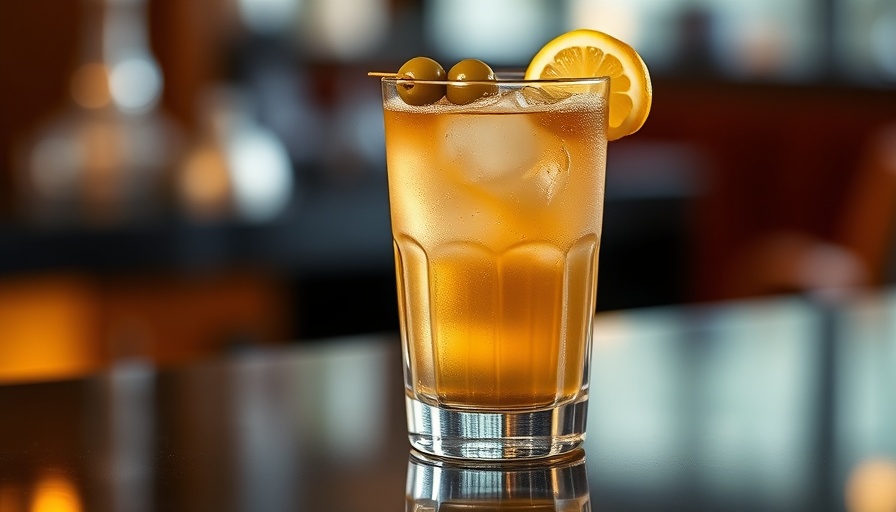
Nonalcoholic cocktail with olives and lemon twist on a reflective surface.

A Refreshing Take on Nonalcoholic Drinks

Gone are the days when nonalcoholic cocktails, or mocktails, were relegated to the sidelines of social gatherings, overshadowed by their spirited counterparts. Today, these drinks have carved out a space for themselves in global food culture, offering a wealth of unique flavors and experiences. For digital nomads seeking to explore diverse culinary horizons, the sophistication and creativity in nonalcoholic cocktails provide an exciting adventure that promises inclusivity, taste, and a memorable feast for the senses.

The Botanical Revolution: Transforming Mocktails

At the heart of this evolution is a bold embrace of botanicals, teas, and craft syrups. This shift has elevated the art of mocktail-making to a new level, providing flavors that rival traditional spirits while standing alone in their complexity. Brands like Lyre’s, Seedlip, and Ghia exemplify this transformation with products that add layers of taste previously untapped in nonalcoholic beverage culture. Yet, as Seth O’Malley of Wilderton notes, creating depth with water-based distillates presents unique challenges compared to alcohol-based extractions. Nevertheless, innovative use of ingredients like yuzu, orris root, and cinchona bark continues to push boundaries, richly enhancing flavor profiles.

Crafting at Home: Simple Yet Spectacular

For those keen to dabble in crafting nonalcoholic cocktails at home, expert tips simplify the process. Charles Joly of New York's Riff Raff Club recommends infusing flavor before chilling with ice, perhaps using smoky lapsang souchong tea to impart a whiskey-like depth. Meanwhile, Jessica King from Brother Wolf suggests Negronis and spritzes as reliable methods for achieving balanced flavors with minimal effort. Enthusiasts can swap traditional spirits for equally enticing nonalcoholic versions, ensuring an equally robust taste journey.

Future Trends in Nonalcoholic Beverages

The future of nonalcoholic cocktails is bright, with trends pointing towards continued innovation and creativity. As more individuals embrace lifestyle changes for health and wellness, the demand for tasty and sophisticated nonalcoholic options expands. Expect nontraditional ingredients to make an appearance, inspired by global flavors that appeal to the curious explorer in all of us. The integration of botanicals and cultural influences into cocktail making promises exciting new avenues for exploration, redefining what nonalcoholic beverages can offer.

Unique Benefits of Embracing Nonalcoholic Cocktails

Understanding and integrating nonalcoholic cocktails into your lifestyle can bring about profound benefits. They allow inclusion in social settings without the effects of alcohol, offering a healthier alternative without compromising enjoyment. For digital nomads, these beverages provide a way to connect with local traditions and tasteprofiles, enriching the travel experience while promoting well-being, and offering fresh perspectives on wellness.

Food

Write A Comment

*
*
Related Posts All Posts
12.08.2025

Is Delta Comfort Plus Worth It for Digital Nomads? Discover the Benefits

Explore the Delta Comfort Plus Review and uncover if this extra legroom upgrade is worth it for digital nomads and travelers seeking comfort during flights!

12.07.2025

Michelin's New Grape Awards: A Game-Changer for Wine Producers

Update A Toast to a New Era in Wine RecognitionIn a pivotal expansion of its gastronomic expertise, Michelin has unveiled the "Grape" Awards, a new distinction for wine producers that aims to highlight excellence in the vineyard. This marks a significant broadening of Michelin's celebrated legacy, which has long centered around restaurants and hotels. The Grape Awards will recognize outstanding wine estates with a tiered grading system of one, two, or three grapes, with the inaugural awards set to be announced in 2026, beginning with the illustrious regions of Burgundy and Bordeaux.Why Grapes Matter: A New Benchmark for QualityWine is not just a beverage; it’s a cultural artifact that tells stories of the land, the climate, the vine varieties, and the techniques used to transform grapes into a glorious product. The introduction of the Grape Awards aligns with Michelin's goal to provide wine lovers with a trusted reference point when exploring the intricacies of wine production. As Gwendal Poullennec, International Director for the MICHELIN Guide, stated, this venture is designed for both curious amateurs and seasoned experts. The five evaluation criteria—quality of agronomy, technical mastery, identity, balance, and consistency—ensure that the assessments honor the artistry involved in winemaking.A Closer Look at the Criteria for ExcellenceThe Grape Awards will utilize a rigorous evaluation process that focuses on essential aspects of winemaking:Quality of Agronomy: Assessing the health of the soil and care of the vines, which directly influences the quality of the wine.Technical Mastery: Focusing on the skills in the production process, ensuring that wines reflect their terroir with precision.Identity: Highlighting wines that reflect the cultural essence and personality of their regions.Balance: Evaluating the harmony of components like acidity and tannins.Consistency: Ensuring producers maintain high standards across various vintages.This structured approach not only elevates the craft of winemaking but also bridges the gap between enthusiasts and producers.The Implications for Winemakers and Wine LoversWith the 2026 launch date approaching, wine producers in prestigious regions like Burgundy and Bordeaux are preparing for an opportunity to gain international recognition. The potential for these awards to influence consumer choices cannot be understated. Wine lovers will find a new layer of authenticity and assurance in the Grape Awards, as they offer a reliable guide through the vast and complex world of wine.The Cultural Significance of Wine in GastronomyAs the Michelin Guide expands its footprint into the wine sector, it echoes a broader trend in the culinary world, where food and beverage experiences are increasingly intertwined. The acknowledgment of wine producers through the Grape Awards signifies a deeper respect for the craft accompanying gastronomic endeavors. It enhances the overall dining experience by recognizing not only the chefs and restaurants but also the passionate individuals stewarding vineyards.Looking Forward: What This Means for Digital NomadsFor the growing community of digital nomads exploring global food cultures, the Grape Awards represent an exciting new dimension in culinary tourism. As these travelers seek authentic experiences that resonate with local traditions, the recognition offered by Michelin will guide them to vineyards producing top-tier wines. This can enhance their culinary journeys, allowing them to appreciate the complexities of each region's wine tourism offerings.As we anticipate the first selections of the MICHELIN Grapes, it promises to be an exhilarating time for both producers and wine enthusiasts. The rewards coming to those in the industry signal a bright future, where the beauty of wine is honored alongside the artistry of gastronomy.

12.07.2025

Discover How Cannabis Lifestyle Boutiques Are Transforming Culture

Cannabis Lifestyle Boutiques are redefining consumption through community engagement and gourmet offerings. Discover the exciting changes in cannabis culture.

Terms of Service

Privacy Policy

Core Modal Title

Sorry, no results found

You Might Find These Articles Interesting

T
Please Check Your Email
We Will Be Following Up Shortly
*
*
*