Add Row
Add Element
cropper
update

{COMPANY_NAME}

Digital Nomad Weekly logo
update
Add Element
  • Home
  • Categories
    • Productivity
    • Health
    • Packing
    • Food
    • Wellness
    • Workspaces
    • Culture
February 19.2025
4 Minutes Read

Discover How to Access Your Inner Wanderer for Mental Health

Discover How to Access Your Inner Wanderer for Mental Health


### Embracing Your Inner Wanderer: A Path to Freedom

In today’s fast-paced world, it’s easy for digital nomads to feel trapped in a cycle of daily routines, leaving their adventurous spirits behind. The struggle with mental health, amplified by constant travel and change, can make it seem as if they’re simply floating through life. However, at the heart of each traveler lies an archetype waiting to be accessed—the Wanderer. As J.R.R. Tolkien poignantly noted, "Not all who wander are lost," and this could not ring truer than for those seeking purpose on their journeys.

### The Wanderer Archetype Within Us

The concept of the Wanderer archetype is rooted in the psychological frameworks proposed by researchers like Carol Pearson, suggesting that this universal personality type can guide individuals through transitions in life. The Wanderer embodies a spirit of exploration, urging individuals to leave behind their comforts and venture into the unknown with courage.

A recent piece by Krissy Loveman highlights how embracing the Wanderer within oneself can be a profound source of creativity and strength during difficult times. Loveman's own journey reflects a quintessential aspect of the Wanderer—acknowledging when to shift paths. After finding herself constrained by a traditional desk job and subsequent health issues, Loveman tapped into her inner Wanderer, seeking a life that resonated more deeply with her needs and values.

### Recognizing Symptoms of the Wanderer

For many, the feelings of disconnection and uncertainty might feel overwhelming, but those serving as spiritual wanderers can find solace in understanding these signs. Signs include:

  • A longing for solitude in nature, where one feels a sense of belonging.

  • An inherent sensitivity to energy and feeling out of sync with societal norms.

  • A quest for identity and personal truth amidst external pressures.

As we take time to recognize these traits, we empower ourselves to embrace them as part of our spiritual journeys. Acknowledging the Romantic notions of wanderers—hermits, mystics, shamans—can encourage us not only to seek, but to cultivate a relationship with our inner selves.

### The Power of Solitude in Rediscovery

During periods of solitude, many people, including those who have traveled extensively, can find a renewed sense of self. A related article from LonerWolf articulates the critical role that solitude plays in enhancing one's identity. It suggests that alone time, particularly in natural settings, is essential for fostering insight and renewal. Disconnecting from social expectations offers the opportunity to tune into our inner voice, enabling better decision-making that aligns with our true paths.

This aligns closely with Loveman's experience; by stepping away from societal work constructs, she is cultivating a self-directed life driven by creativity and purpose. Thus, spiritual wanderers can reclaim their narrative—not only traveling physically but also exploring the depths of their inner landscapes.

### Building Community Through Shared Journeys

One of the extraordinary aspects of identifying with the Wanderer archetype is that it facilitates connection with others who share similar journeys. While the path may feel solitary, a community of wanderers exists, offering understanding and support. Travelers can find resonance through tales about overcoming fears, pursuing passions, or simply finding joy in the fleeting and the unfamiliar.

It is a beautiful paradox: the journey of the Wanderer is both personal and communal, allowing connections that go beyond mere companionship. As relationships deepen based on shared experiences, so too can our understanding of ourselves. This can immediately impact our mental health, allowing for healthy emotional boundaries without sacrificing personal growth.

### Letting Go of the Familiar

The true essence of the Wanderer encourages letting go of the familiar—to “bring forth the unseen” as mentioned in LonerWolf’s exploration of the spiritual twinship of wanderers. Those feeling stuck in an unfulfilling space, whether it’s a career or relationship, must acknowledge the discomfort that accompanies change. The decision to embark on a new path can be laborious, but the rewards are typically worth the risk.

Acknowledging and embracing this struggle invites proactive choices, and as any seasoned traveler knows, the unknown offers boundless possibilities for growth.

### Moving Forward: A Call to Action

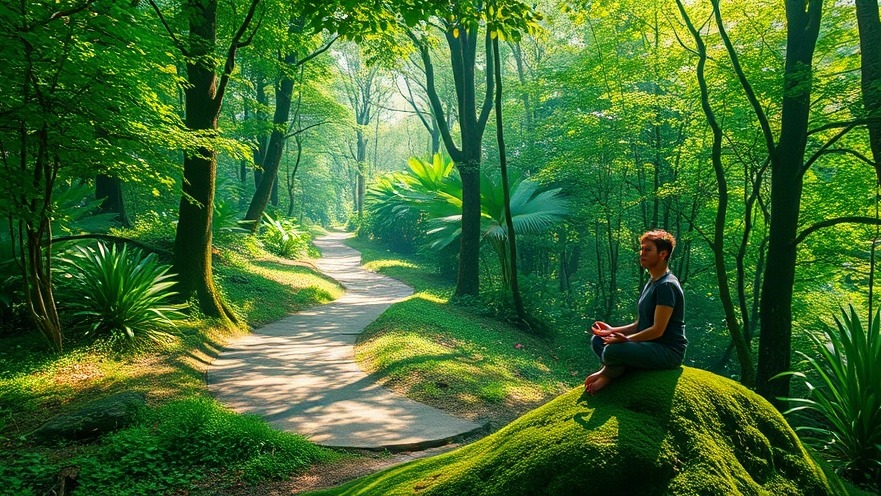
So how can one effectively access their inner Wanderer? Start by allowing yourself space to reflect. Whether through writing, meditation, or spending quiet moments in nature, take the time to listen to what your Wanderer is yearning for. For digital nomads, this could be as simple as giving yourself permission to explore unknown paths or to reclaim playful aspects of life previously overshadowed by responsibility. It is time to let that inner voice speak clearly and authentically, guiding you towards not just a new adventure, but a life alive with meaning and passion.

Making the conscious choice to explore your inner landscape, much like traversing a new city, can lead to revelations that reshape your life. Embrace your internal Wanderer, take that leap, for your best adventures await!


Wellness

0 Comments

Write A Comment

*
*
Related Posts All Posts
02.12.2026

Letting Go of the Good Person Identity: A Journey for Digital Nomads

Learn about letting go of the good person identity and finding authentic self-worth in your travel journey. Perfect for digital nomads.

02.11.2026

Embracing Uncertainty: A Guide for Digital Nomads on Staying Present

Update The Unseen Journey of Digital Nomads Life as a digital nomad can often feel like walking a tightrope, balancing the thrill of adventure with unexpected challenges. For many, including myself, we embark on this nomadic lifestyle believing we will find a place of belonging, fulfillment, and maybe even financial security. Yet, what happens when reality diverges from our expectations? Our belief that ‘effort leads to guaranteed outcomes’ can sometimes lead to a creeping sense of discontent. Understanding the Discomfort of Unmet Expectations Much like the sentiments expressed by Tony Collins in his article, many nomads encounter a similar internal conflict as they travel. "Staying present in a life that isn’t what you expected" becomes an essential mantra, especially when faced with the harsh realization that not every venture will yield the clarity or success we anticipated. As digital nomads, we often approach uncertainty with a mix of excitement and apprehension. Maggie Jackson, in her discussions about the advantages of embracing uncertainty, argues that being open to the unknown can foster personal growth. Instead of viewing our divergent paths as failures, we can leverage them as opportunities for deeper insights into ourselves and our environments. The Importance of Mindfulness in Nomadic Life In navigating the complexities of our travels, mindfulness practices can be life-saving. Research from Jennifer Gerlach highlights that practicing mindfulness encourages us to confront feelings of anxiety and uncertainty. Incorporating techniques such as deep breathing, being present in the moment, and engaging with curiosity about our surroundings can help us accept outcomes that differ from our original aspirations. For instance, when you find yourself in a beautiful city yet struggle to connect with locals or build a routine, practicing mindfulness offers the clarity to appreciate the aesthetics of your experiences while fostering acceptance of your current situation. Simple breathing exercises can ground us amidst the anxieties of our nomadic lifestyle. Building a Network in an Uncertain World A significant part of staying present amid uncertainty is establishing connections. As Collins pointedly discusses, the struggle for belonging is not just a personal battle; it frequently extends to how we perceive our family and friends perceive us. When engaged in remote work and traveling, loneliness can creep in. Building a support system, whether through online community forums or local meet-up events, can counteract these feelings and provide emotional sustenance. Creating a network helps not just in professional realms but also emotionally. Understanding that others are traversing similar paths brings comfort, reducing the isolation that can accompany this lifestyle. The Future of Digital Nomadism: Embracing the Unknown The future for digital nomads remains uncertain, yet replete with possibilities. By embracing uncertainty and allowing adaptability to navigate our journeys, we can foster resilience. Jackson's view on uncertainty as an opportunity can encourage us to pivot our perspectives—seeing diverse experiences as integral to our growth rather than signs of failure. This means letting go of the notion that we must ‘arrive’ somewhere to be fulfilled. Instead, the beauty of being present lies in recognizing that every journey creates its own unique path. Like Collins, who ultimately found depth in his life, digital nomads can approach life as a series of discoveries rather than checked boxes. Tools for Navigating the Unknown For digital nomads grappling with uncertainty, it’s essential to foster a toolkit for resilience. Utilizing practices such as journaling to reflect on experiences or engaging in daily gratitude can optimize mental well-being. Therapeutic approaches like Acceptance and Commitment Therapy (ACT) can help in not just coping with uncertainty but thriving amidst it. As our paths twist unexpectedly, our ability to adapt will define our journeys. Remember, it’s about the process of living—with all its imperfections—rather than achieving a set destination. In a world rife with unpredictability, staying present allows us to embrace personal evolution. So regardless of where your journey leads, cherish the experiences, connections, and lessons along the way. For those digital nomads seeking solace in similar struggles, consider exploring ways to enhance your connection with uncertainty. Engage in community, practice mindfulness, and reflect on the process rather than the outcomes. Your journey deserves recognition, and every twist and turn contributes to your story.

02.08.2026

Navigating Love and Pain: A Digital Nomad's Journey to Healing

Update The Cycle of Love and Pain: Understanding the DanceMany people in relationships can relate to the tumultuous swings between affection and emotional strain. In my experience, the cycle often begins with romance. It involves charm and passion that creates an unbreakable bond—at least, it feels that way initially. However, such powerful beginnings can mask underlying issues. Gradually, moments of charm shift to criticism and emotional manipulation, leaving both partners in a loop of uncertainty. A relationship that once flourished can turn toxic through subtle yet pervasive patterns. Understanding this cycle is vital not only for those who feel ensnared but also for those wanting to break free from tumult so they can rediscover a healthier love.Embracing Change: The Catalyst for HealingLeaving a toxic relationship isn’t straightforward; it’s often a complicated, emotional journey full of doubt and fear. Yet the turning point may come when you realize you deserve better. For me, that moment came when I recognized I didn’t want to live a life shackled by insecurity and anxiety. The anguish transformed from numbness to a resolve to reclaim myself, marking the beginning of my healing journey—a path laden with self-discovery and self-love, peppered with the advice of those who have walked this road ahead of me.Practical Steps Towards Recovery: Regaining ControlHealing after such experiences doesn’t mean glossing over the pain; it involves confronting it. It’s become apparent that I needed to allow myself to grieve the relationship, acknowledging its impacts, good and bad. Practicing self-care became paramount, as my mental and physical well-being demanded attention. I sought practices such as mindfulness techniques to cope with anxiety and reconnect with hobbies that once sent my spirit soaring. Realizing that recovery stems from re-engaging with who I was before the relationship was enlightening. Rediscovering passions reignited my confidence and sense of identity.Building a Support Network: A LifelineAs I reflected on my experience, it became clear how critical it is to cultivate a support system. Connecting with friends, family, and support groups offered fresh perspectives and emotional safety. Surrounding oneself with uplifting individuals fosters resilience and promotes self-love. Reaching out and sharing experiences can dispel feelings of isolation, which is especially crucial for travelers—often away from home and familiar circles. Digital nomads like me can benefit immensely from virtual communities that can uplift and guide you on your healing journey.Lessons in Love: What I've LearnedLeaving a toxic relationship taught me invaluable lessons about love, boundaries, and self-worth. It opened my eyes to the importance of recognizing when love turns sour. Toxic patterns and emotional manipulation erode trust and security, which are fundamental to healthy relationships. These experiences sharpen our understanding of real versus perceived love, enabling us to seek genuine connections in the future. The journey towards emotional healing and health teaches us to embrace self-worth, and fosters a more profound appreciation for nurturing relationships.Moving Forward: The Path AheadTransitioning from a place of hurt to healing can feel daunting, especially when traveling and defining your identity as a nomad. Still, it is crucial to adopt a mindset oriented toward growth and self-improvement. Remember to prioritize personal goals, set your boundaries, and avoid rushing into new relationships. Healing is not a race, but a journey requiring patience and self-love. Though it may be a difficult road, it opens pathways to brighter and healthier relationships. Ending a toxic relationship can mark the beginning of a flourishing new chapter, reminding us that love—and life—can be beautiful again.

Terms of Service

Privacy Policy

Core Modal Title

Sorry, no results found

You Might Find These Articles Interesting

T
Please Check Your Email
We Will Be Following Up Shortly
*
*
*