cropper
update

{COMPANY_NAME}

Digital Nomad Weekly logo
update
  • Home
  • Categories
    • Productivity
    • Health
    • Packing
    • Food
    • Wellness
    • Workspaces
    • Culture
September 09.2025
3 Minutes Read

Discovering Culinary Joy: The Delightful Experience of an Airport Hot Dog in Copenhagen

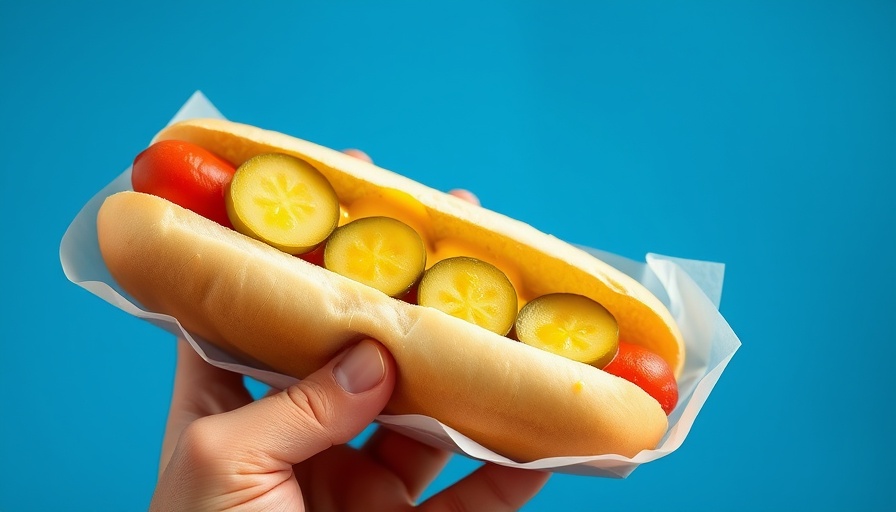
Appetizing Danish hot dog held against a blue background, showcasing Copenhagen's culinary delight.

The Unexpected Culinary Delight of an Airport Hot Dog

When it comes to traveling, the typical pre-flight meal is often a lackluster affair—a wrapped sandwich, bagel, or a warm, beige wrap. Sure, it fills the stomach, but hardly tantalizes the taste buds. However, during a recent trip to Copenhagen, I found myself seated at a vibrant red table in the airport, ready to embrace a surprisingly delightful culinary experience—the Danish hot dog.

Finding Flavor in a Humble Hot Dog

Encouraged by the glowing recommendation of my Danish boyfriend, I ventured into Steff's Place, a popular spot known for its airport hot dogs. Entering the space granted me immediate comfort; the surrounding ambiance was clean and airy, a stark contrast to the questionable vendors often found in busy airports. The dish that sat before me could only be described as art: a plush bun embracing a bright red sausage, generously adorned with a variety of toppings.

The moment I sank my teeth into that hot dog, an explosion of flavor took over. The balance of crunchy pickles, crispy onions, and a delicious concoction of remoulade sauce enveloped my taste buds, surpassing the expectations I usually hold for airport dining. It was a meal I finished in mere moments but will cherish for a lifetime.

A Deeper Dive: The Cultural Significance of Danish Hot Dogs

It may come as a surprise to some, but hot dogs are far more than mere street food in Denmark. They’ve made their mark as cultural icons, evolving into culinary staples since the 1920s. The Danish hot dog, particularly the rød pølse, is a flavorful pork sausage spiced with warm notes of nutmeg and coriander, charmingly dyed red for that signature look.

Copenhagen boasts numerous hot dog stands, each showcasing the owner’s personal twist on the beloved classic. As locals will often attest, enjoying these savory delights isn’t just about sustenance; it’s an experience, often indulged in after a night out or simply as a quick bite on the go.

More Than Just Dogs: Copenhagen's Rich Culinary Scene

While hot dogs pay homage to Denmark's culinary creativity and rich history, the vibrant city of Copenhagen has so much more to offer. From the breathtaking cuisine at Noma, a fine-dining establishment known for pioneering New Nordic practices, to charming bakeries boasting traditional pastries, the city is a treasure trove for food enthusiasts.

Nevertheless, it’s fascinating to see how something as humble as a hot dog can steal the show, reminding us that some of life’s best experiences often come from the most unexpected places.

Reflections and Takeaways

Traveling teaches us countless lessons, but perhaps the most endearing is learning to embrace local flavors and unexpected culinary experiences. For digital nomads and food lovers alike, indulging in the simplicity of a hot dog in Copenhagen reveals the authenticity of local cuisine while simultaneously showcasing the culture’s pride in food craftsmanship.

So, the next time you find yourself at an airport or embarking on an adventure, open your palate to the possibilities surrounding you. A hot dog, especially one in a city known for its impressive food culture, may just turn out to be the highlight of your culinary journey.

Food

0 Comments

Write A Comment

*
*
Please complete the captcha to submit your comment.
Related Posts All Posts
05.14.2026

Korean Chefs Reconnect with their Roots by Embracing Farming

Update Reviving Heritage: Korean Chefs Turn to Farming As the culinary landscape rapidly evolves, many chefs are seeking to reconnect with their roots. Among them are a group of influential Korean chefs who are taking this a step further by establishing First Hand Farm in New York’s Hudson Valley. This initiative is not just about sourcing high-quality ingredients; it represents an unyielding commitment to preserving cultural legacy and agricultural practices. The Journey to Farming Chef Chang-ho Shin, known for his Michelin-starred venture Joo Ok in Korea, found himself struggling to find essential Korean ingredients upon relocating to New York City. This gap in the market – where traditional perilla seeds and crucial vegetables for namul banchan fell short in quality or were practically unreachable – ignited a passion within Shin to establish a sustainable farming project. Joined by fellow chefs Hoyoung Kim, Ok Dongsik, and the Park couple, they collectively founded First Hand Farm to cultivate foundational Korean crops. "I wanted to have more control over my produce and a closer relationship to the ingredients," he shares. Building a Community of Chefs and Farmers The underlying philosophy of First Hand Farm transcends individual chefs’ aspirations; it fosters a sense of community. As the chefs band together, they are not only working the land but are also engaging in broader conversations about identity and purpose in their culinary practices. According to Chef JP Park, this transition represents a significant evolution in thinking, demonstrating how Korean culinary philosophy can merge with New York’s own agricultural identity. The farm encapsulates a longing to educate the next generation about the intrinsic bond between nature, ingredients, and the artistry of cooking. Farming’s Role in Korean Cuisine At the heart of their culinary heritage is the process of making jang, a fermented paste that forms the foundation of many Korean dishes. The meticulous process involves creating fermented soy blocks, or meju, which takes time, patience, and a touch of personal care. Ellia Park beautifully sums it up: "At its core, jang relies on just a few elements: soybeans, salt, time, and patience." Through First Hand Farm, this traditional practice is not only preserved; it is rooted in American soil. Fostering Sustainability with Korean Natural Farming The establishment of First Hand Farm also aligns with practices from Korean Natural Farming (KNF), which promotes sustainability and a closed-loop agricultural system. By harnessing local resources and minimizing reliance on chemical inputs, the chefs are exploring soil health while cultivating plants that reflect their culinary culture. This approach highlights the importance of sustainability in modern farming, linking back to the ideals that underscore both Korean heritage and contemporary ecological consciousness. Benefits of Community Farming Initiatives Beyond the tangible benefits of fresh produce and preserved cultural practices, First Hand Farm stands as a monument for collaboration, education, and cultural exchange. The farm creates a unique opportunity for chefs and aspiring cooks to immerse themselves in practical agricultural experiences – cultivating a strong foundational knowledge of where food originates. By regularly engaging with the farm, they aim to break the existing barriers within fine dining that often separates chefs from the intricate processes of farming. Looking Forward: The Future of Korean Cuisine As interest in Korean food surges globally, the farm symbolizes not just a means of self-sufficiency but a bright beacon for innovative culinary exploration. With a focus on local terroir, JP Park believes that growing Korean ingredients in New York will not only redefine the flavor profiles but also enrich the cultural identity that these chefs wish to share. With ongoing efforts in education and a commitment to preserving traditions, First Hand Farm sets a compelling example of how culinary arts and agriculture can coexist harmoniously. Conclusion: Empowering Future Generations of Chefs For these chefs, First Hand Farm isn’t merely an agricultural project; it's a rebirth of their culinary heritage in a new land. It offers a new generation of cooks an invaluable experience — recognizing the vital link between ingredients and the culinary narratives they create. As food culture evolves, these initiatives remind us of the importance of understanding where our food comes from and how it shapes our identity. Joining the community effort of First Hand Farm not only supports sustainable practices but also empowers future generations to embrace and innovate upon their culinary traditions. Engage, learn, and experience the transformation of modern food culture through the magic of farming and culinary collaboration!

05.10.2026

Excited for the Bourdain Biopic? Here's What You Need to Know!

Explore the buzz surrounding the Bourdain biopic, Tony, delving into its unique focus and cultural significance for digital nomads and food enthusiasts alike.

05.03.2026

Explore Culinary Houston: The Best Hotels for Food Lovers

Discover the best hotels in Houston for food lovers, where each stay offers exceptional culinary experiences reflecting Houston's rich food culture.

Terms of Service

Privacy Policy

Core Modal Title

Sorry, no results found

You Might Find These Articles Interesting

T
Please Check Your Email
We Will Be Following Up Shortly
*
*
*