 Add Row
  Add
Add 


Building Bridges Between Nature and Community
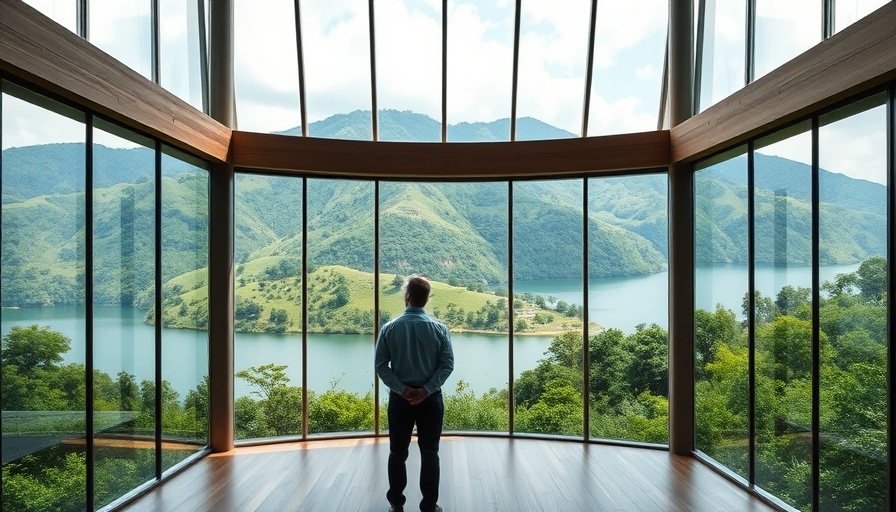
The recent unveiling of the Eco-Museum at Piratininga Lagoon in Niterói, Brazil, set against the beautiful backdrop of Rio de Janeiro, is not just an architectural marvel designed by KAAN Architecten; it also signifies a pivotal step in environmental sustainability and community engagement. Positioned as part of the broader Orla Piratininga Park development, this project plays a crucial role in restoring the surrounding ecosystem and promoting biodiversity.
The Vision of Ecological Restoration
Covering 720,000 square meters, the Piratininga Lagoon restoration project integrates advanced ecological techniques to enhance local water quality. The use of native plant species to form filtering gardens demonstrates innovation in environmental design. These gardens act as natural filters, purifying water and mitigating pollution, while promoting local wildlife. This method is not simply functional; it educates visitors about the importance of biodiversity and the environmental dynamics necessary for community sustainability.
A Hub for Community and Culture
The Eco-Museum serves as a ‘sheltered forum,’ according to the architects. This space is designed not only as a museum but also as a vital community center, nurturing social inclusion and environmental awareness among local children and residents. The building's structure, prominently featuring a wide cantilevered roof, creates a welcoming atmosphere, blurring the lines between indoor and outdoor experiences. Its dimensions and openness encourage community interaction by providing spaces for gatherings, exhibitions, and educational programs on ecological issues.
Elevating Environmental Awareness and Education
Renata Gilio from KAAN Architecten highlights that the Eco-Museum transcends traditional exhibition spaces; it’s a platform for learning and interaction. By offering workshops and interactive displays, the museum aims to forge a stronger connection between the community and their environment. This educational aspect is vital as it fosters a new generation of environmentally conscious citizens who appreciate the significance of their local ecosystems.
Future Trends in Eco-Architecture
The Eco-Museum is not just a standalone endeavor. It exemplifies a growing trend in architecture that intertwines ecological restoration with community needs. As seen in recent projects globally, including similar initiatives in Mexico, there is a renewed focus on creating spaces that serve dual purposes: ecological function and community connectivity. Designers worldwide are exploring how architectural innovation can tackle pressing environmental challenges while enhancing the quality of life for local inhabitants.
Engagement with Local Heritage and Resources
By using durable materials like cumaru wood for construction, the Eco-Museum not only emphasizes sustainability in its aesthetic appeal but also champions local resources. This approach showcases an appreciation for regional materials and craftsmanship, fostering economic opportunities for local vendors. The project’s success hinges on the collaboration with local architects and organizations, such as UrbSP and Embyá, enriching the community’s cultural identity.
Conclusion: A Case Study in Holistic Design
The Eco-Museum and the surrounding Orla Piratininga Park represent a significant leap toward a harmonious balance between ecological integrity and community rebuilding. For digital nomads working from this vibrant locale, the connection between environment, architecture, and community engagement resonates deeply with the very essence of remote work—the ability to thrive in and contribute positively to one’s surroundings.
In light of such endeavors, how can you, as a global citizen and perhaps a digital nomad, leverage similar principles of connectivity and sustainability in your workspace? Reflect on how your remote lifestyle can foster community engagement wherever you are. Explore local flora, support initiatives for biodiversity, and leave a positive footprint in your work.


Write A Comment