


A Gripping Journey Into True Crime
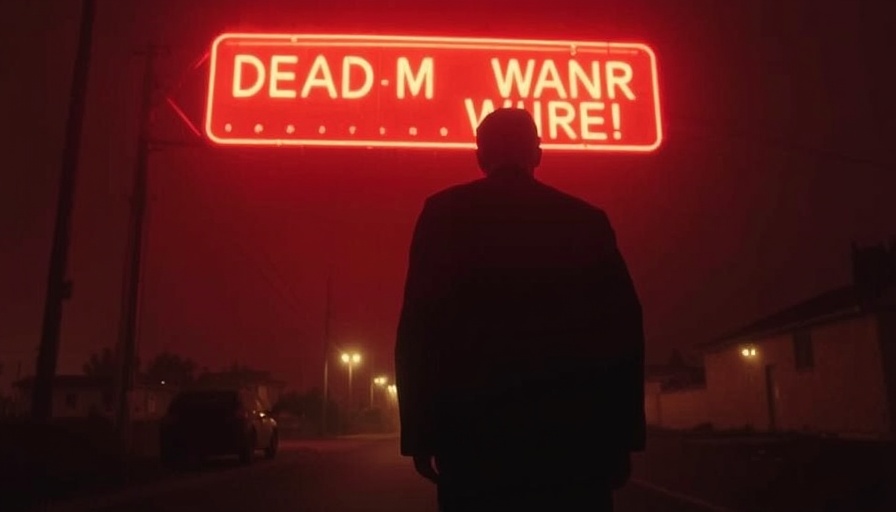
Gus Van Sant's latest film, Dead Man’s Wire, takes viewers into a surreal, true-crime narrative that explores one of the most shocking kidnapping cases of the 1970s. As a reflection of a tumultuous era in American history, the film captivates with its blend of dark humor and unsettling themes, creating a compelling snapshot of societal issues still relevant today.
The Disturbing Reality of the 1977 Indianapolis Kidnapping
The film recounts the harrowing ordeal of Richard Hall, who was taken hostage by Tony Kiritsis, an Indianapolis businessman consumed by paranoia. This bizarre situation escalated over 72 hours, with Kiritsis tying Hall to a shotgun, effectively using him as a living shield against police intervention. Through this lens, Van Sant critiques media complicity and the sensationalism that characterizes our modern obsession with crime narratives, reminiscent of media coverage during the era.
Unpacking the Surreal Elements
One striking aspect of Dead Man’s Wire is its surreal atmosphere, which is crafted through a combination of visual storytelling and chilling dialogue. Van Sant elicits powerful performances from his cast, particularly from Bill Skarsgård who portrays Kiritsis with a blend of rage and vulnerability. The way he infuses comic absurdity into the horrifying situation reflects a duality that challenges the audience's perception of sanity and empathy.
Media's Role in Shaping Perception
The film also highlights the role of the media, mirroring how events are often recast into entertainment. Al Pacino graces the screen in a cameo as Hall's father, who trivializes the gravity of the situation, bringing to light how the emotional fallout is often overshadowed by sensational narratives. This raises important questions about how society processes trauma, especially in a world increasingly saturated with information.
Insights Into Historical Context
Van Sant’s reimagining of this real-life event takes place in a peculiar historical context. The late 70s were marked by widespread skepticism toward authority following events like Watergate. Just as Americans grappled with disillusionment, films like Dog Day Afternoon provided a lens into the wild social dynamics of the time. Dead Man’s Wire serves to remind contemporary viewers of the complexities surrounding crime, mental health, and law enforcement during a time teetering on the edge of chaos.
Emotional Resonance and Societal Reflection
What emerges from this film is not just a chronology of events, but an exploration of human resilience against a backdrop of absurdity. Hall's struggle against his captor offers a poignant reflection on survival, mental health, and empathetic understanding. The film presents an opportunity for viewers to reflect on these themes and implications in their own lives and in society, particularly how we approach narratives about mental health and victimization today.
What This Means for Contemporary Audiences
As digital nomads, our connection to the world influences how we engage with media and history. Dead Man’s Wire invites us to consider the impact of storytelling and our role as consumers of content. It encourages us to seek deeper understandings of the narratives we consume — to question why certain stories resonate more than others and consider the histories behind them.
With a beautifully layered narrative, Dead Man’s Wire not only connects us with past events but also implores us to confront the complexities of our present reality, urging us to become more discerning storytellers and listeners in our own lives.
So, as you explore new workspaces and cultures around the globe, consider the stories you’re shaping and interpreting. Like Van Sant’s film, every journey tells a narrative rich with history, emotion, and significance. Embrace the complexities in your journey and share your findings with others.


Write A Comment