 Add Row
  Add
Add 


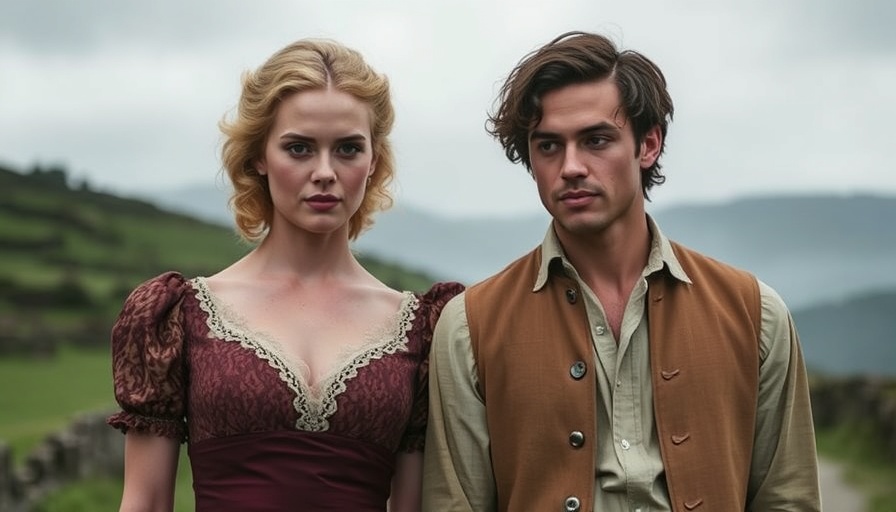
Reimagining a Classic: A Controversial Casting Choice
The recent casting of Margot Robbie and Jacob Elordi in the iconic roles of Catherine Earnshaw and Heathcliff in Emerald Fennell's adaptation of Emily Brontë's Wuthering Heights has ignited a firestorm of debate among fans and critics alike. Kharmel Cochrane, the casting director, has found herself at the center of this storm, defending her choices at the Sands Film Festival in Scotland. As she stated, 'It’s just a book,' underscoring her belief that modern adaptations don’t need to strictly adhere to historical accuracy regarding age or ethnicity.
The Debate on Interpretations
The traditional portrayal of Heathcliff in adaptations has often sidestepped the character’s complex background, which in the novel hints at a Romany heritage. Cochrane's remarks include an appeal for audiences to reserve judgment until they see the full execution in the film, including its set design and visual storytelling. By emphasizing the artistic liberties taken for this adaptation, she invites audiences to view the film through a contemporary lens, allowing room for expression and modern commentary on inherent cultural themes.
Historical Context and the Novel's Roots
Emily Brontë's original work, set in the late 1700s Yorkshire, vividly describes not only a passionate love story but also the societal struggles of class and race. It is essential to note that the interpretation of Heathcliff's character varies greatly; previous adaptations have chosen to cast notable actors who have not reflected the ethnic complexities hinted at in the text. This gives rise to the question—how should modern adaptations reflect the realities of their sources?
Social Connection: Reflecting on Contemporary Issues
The casting choices also highlight the larger conversation about representation in film and art. Critics argue that if adaptations continue to overlook the ethnic backgrounds of characters, they may unintentionally reinforce historical biases. Social media commentary on this casting underscores a growing awareness and demand for authenticity and inclusivity in storytelling. Fennell’s reimagining might serve as an opportunity to bridge these discussions about race, representation, and how art can challenge or uphold societal norms.
Reflections on Casting Diversity
Interestingly, while Cochrane acknowledges the various criticisms regarding age and ethnicity, she points out a tension in the audience’s expectations and interpretations of fidelity to the text. Some argue that casting younger actors who might better fit the age of their characters provides more honesty and aligns with the novel's spirit. Others see the choice of established stars like Robbie and Elordi as a way to draw broader audiences to the film. One fan on social media observed, 'This could either be brilliant or a complete miss,' indicating the diverse views within the fandom.
Future Predictions: What Lies Ahead For Adaptations
The production's visuals and set design promise to play a significant role in how viewers perceive this adaptation. Cochrane hinted at a shocking aesthetic—potentially a blend between the gothic and contemporary. As the film industry evolves, adaptations like Fennell's could signal a shift toward innovative interpretations of literature, championing diversity while embracing artistic freedoms.
Emotional Perspectives
For many literature enthusiasts, adaptations are more than just films; they are the reclamation of stories they grew up loving. With such a rich narrative like Wuthering Heights, viewers may feel a sense of ownership over the characters and storylines, making them particularly sensitive to any perceived alterations. The emotional attachment to the original material adds complexity to the reactions surrounding casting decisions, further fueling conversations about authenticity versus reimagining.
Conclusion: Engaging with a Multifaceted Narrative
Emerging conversations stemming from the casting of Margot Robbie and Jacob Elordi in Wuthering Heights reflect broader themes in literature and film today. Whether the choices resonate with the source material's essence remains to be seen, and the intent behind artistic interpretations will always evoke discussion. As audiences continue to analyze adaptations, it becomes essential to engage, learn, and contribute to these essential cultural dialogues.


Write A Comment