Add Row
Add Element
cropper
update

{COMPANY_NAME}

Digital Nomad Weekly logo
update
Add Element
  • Home
  • Categories
    • Productivity
    • Health
    • Packing
    • Food
    • Wellness
    • Workspaces
    • Culture
February 09.2025
3 Minutes Read

Exploring the Hemp House: Sustainable Living Meets Modern Design

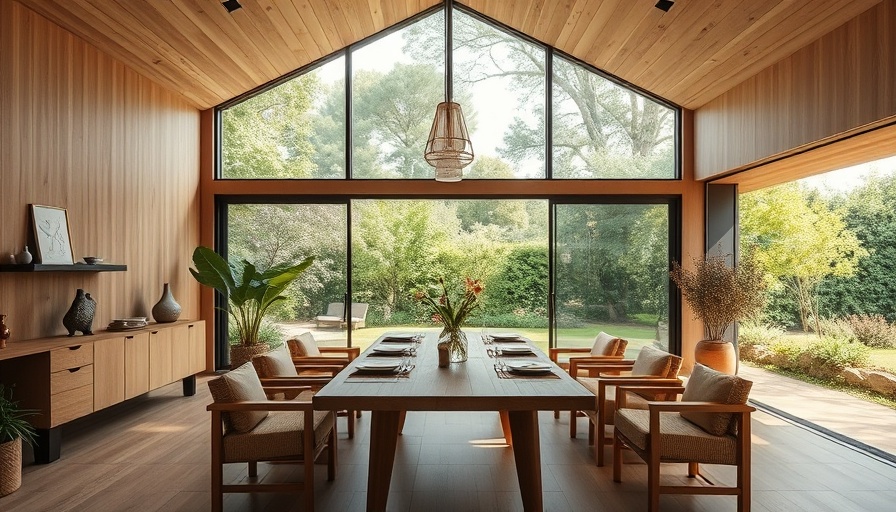
Modern hemp interior dining room with garden view.

Redefining Home Spaces: The Hemp House Extension

In the heart of south London lies the Hemp House, a modern extension crafted by Nimtim Architects. This innovative project represents a convergence between sustainable architecture and the need for practical living spaces that accommodate a multi-generational lifestyle. It borrows from traditional British semi-detached homes but showcases an environmentally friendly design, highlighting the pressing importance of low-carbon materials in today’s construction practices.

A Living Space for Connection

The Hemp House extension was designed with the intent of creating a flexible environment suitable for both family gatherings and intimate moments. Nimtim Architects focused on open-plan living, merging the kitchen, dining, and living areas to foster social interaction. The central kitchen now serves as a hub where family members can converge or independently engage in activities, accommodating both children and grandparents within this holistic family framework.

Natural Materials: A Smart Choice

At first glance, the Hemp House is a testament to innovative materials. Rather than conventional bricks, the extension makes use of hempcrete, a bio-material composed of hemp fibers and lime. This natural composition not only ensures durability but also positively impacts the environment. Hemp, a notorious carbon sink, absorbs CO2 during its growth, and using it in construction reduces the overall carbon footprint of the building process.

The Artistic Side of Sustainability

Nimtim Architects sought to balance functionality with aesthetic appeal through their design choices. The raw, textured hempcrete walls contrast beautifully with polished surfaces and sharp lines from other materials used in the home. This deliberate combination creates visual interest and invites dialogue between textured and smooth surfaces, aiming for a harmonious living environment. The introduction of cornflower blue window frames adds a vibrant touch, bringing a splash of color to the natural hues of the hemp walls.

Challenges Along the Way

The project faced hurdles, particularly with local authorities on planning regulations regarding the exposure of hempcrete. Initially envisioned to decorate the extension’s exterior, the hemp’s natural attributes were understandably scrapped for a more conventional natural render to comply with planning guidelines. Balancing innovation with practicality is a constant challenge architects face, particularly when striving to integrate materials that scream sustainability.

Lessons for Remote Workspaces

For digital nomads looking to establish comfortable and efficient remote workspaces, the Hemp House offers valuable insights. Its flexible design encourages a blend of openness with zones for privacy. This structure can easily be adapted to create workspaces that facilitate collaboration while also providing serene spots for focused tasks. The use of natural materials not only enhances aesthetics but also promotes wellness—something essential for those working from home.

Ensuring Ergonomics in Sustainable Design

Incorporating ergonomic design principles into home extensions like the Hemp House can enhance productivity. This involves seating, desk heights, and layout planning that reduces strain on users, fostering a conducive work environment. Nimtim Architects showcased this by understanding the need for flow through the home, ensuring every space has purpose, comfort, and aesthetic pleasure.

The Future of Sustainable Living

The Hemp House serves as a blueprint for future residential designs by proving that sustainability and modernity can coexist. It provides a clear message to homeowners and architects alike: prioritizing low-carbon materials and flexible designs fits seamlessly into our evolving understanding of home—and workspaces. The increasing need for multifunctional spaces is both progressive and indicative of changing family dynamics in urban settings.

While direct action isn’t necessary, the Hemp House stands as a reminder of how architecture can lead us toward environmentally responsible living. It inspires us to rethink our surroundings, encouraging awareness of our carbon footprint while ensuring our homes are warm, inviting, and reflective of our sustainable values.

Workspaces

0 Comments

Write A Comment

*
*
Related Posts All Posts
01.31.2026

Discover the Future of Remote Work: Stay at the First Hotel on the Moon

Explore the first hotel on the Moon and its impact on space tourism and remote work opportunities.

02.06.2026

Exploring Prefab Timber's Expressive Potential for Digital Nomad Workspaces

Learn how prefabricated timber designs can transform your workspace into an efficient and comfortable haven, inspired by Casa SI.

02.04.2026

Discover Enofilo: A Mesh-Covered Wine Shop That Inspires Remote Workspaces

Update Exploring the Unique Design of Buenos Aires' Enofilo Wine Shop The Enofilo wine shop, nestled in the Bajo Belgrano neighborhood of Buenos Aires, showcases an innovative architectural approach that resonates with the city's unique urban fabric. Designed by the local studio of Juan Campanini and Josefina Sposito, this 175 square metre space artfully combines aesthetic appeal with functionality, creating an inviting atmosphere for digital nomads and wine enthusiasts alike. A Mesh Facade: Blending Urban and Domestic Elements The most striking feature of Enofilo is its metallic mesh facade, which serves as a canvas reflecting the intricate character of Buenos Aires’ streetscape. Inspired by the city’s fragmented aesthetic, the architects aimed to create a structure that complements its surroundings while also standing out as a new addition. The shimmering sliver-coloured mesh wraps around the pre-existing brick walls, forming a delicate yet bold interface between the shop's internal ambience and the urban hustle outside. The Interior: An Inviting Space for Modern Work Styles Upon entering Enofilo, visitors are welcomed into a communal tasting area, ideal for social interaction and networking. With built-in shelving that functions as a wine library clad in the same mesh treatment as the exterior, the interior design echoes the cohesive theme established by the facade. This approach not only reinforces the visual continuity between inside and outside but also enriches the atmospheric quality of the space, making it conducive for work and relaxation. The dark granite counter beneath rough sand-coloured plaster ceilings provides an inviting focal point for interaction, while the light blue metallic staircase leads the visitors to the upper floor. Bridging the Domestic and Urban: A Design Necessity In designing Enofilo, Campanini and Sposito faced the challenge of a complex urban environment that required them to redefine the relationship between public and private spaces. The carefully engineered staircase acts as a pivotal element that connects the upper and lower levels, serving both aesthetic and functional roles. This progression mirrors the experiences of remote workers and digital nomads who traverse various professional settings — from private offices to communal spaces. Focusing on Energy: Key Lessons in Design The design team at Enofilo underscored a crucial lesson in architecture: understanding where to focus energy can make mundane elements appear extraordinary. By spotlighting both the street-front interaction of the building and the experience of navigating the staircase, they created features that resonate deeply with visitors. Emphasizing structure as a medium for communication and connection fosters an environment that encourages productivity and engagement. Local Influence and Global Inspiration Enofilo is not just a wine shop; it is a testament to local artistry and adaptability in the face of modern demands. It positions itself among other notable international wine shop designs—which also integrate their context with innovative architecture, such as the burgundy leather showroom in Milan or a cave-like bar in Valladolid, Spain. As the world sees a rise in unique commercial architectures, many consuming spaces are morphing into multifunctional areas suitable for both leisurely wine tasting and productive work sessions. Conclusion: Why Enofilo Matters The Enofilo wine shop offers more than just a place to buy and enjoy wine; it embodies a philosophy that prioritizes community and connectivity within an urban landscape. For digital nomads looking for welcoming workspaces, Enofilo symbolizes a perfect blend of culture, comfort, and innovation. As cities continue to evolve, spaces like Enofilo provide vital inspiration on how to harmonize work, leisure, and community. If you're a digital nomad considering the best remote workspaces or looking for inviting spots in Buenos Aires to explore, Enofilo stands out as an exemplary venue that beautifully combines contemporary design with the essence of Argentinian culture.

Terms of Service

Privacy Policy

Core Modal Title

Sorry, no results found

You Might Find These Articles Interesting

T
Please Check Your Email
We Will Be Following Up Shortly
*
*
*