 Add Row
  Add
Add 


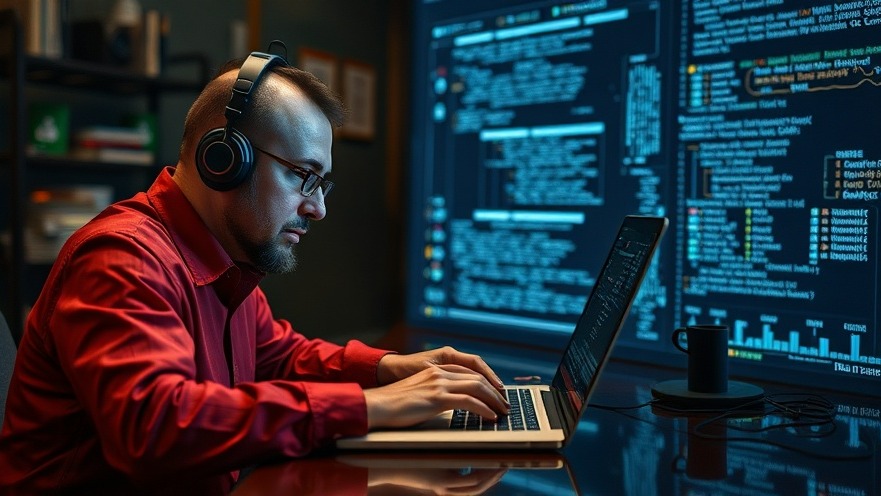
An Unexpected Collaboration: AI and Creative Writing
The debate surrounding the creative potential of AI ignites fierce discussions among writers and industry professionals alike. With the introduction of a new AI model touted by Sam Altman, CEO of OpenAI, as 'good at creative writing,' it raises questions about the role of technology in artistry. The responses from authors like Tracy Chevalier and Kamila Shamsie illuminate the skepticism and curiosity embedded within this ongoing discourse.
Echoes of Human Emotion in Machine Writing
Many writers instinctively question whether AI can genuinely capture the essence of human emotion in storytelling. Nick Harkaway expresses a poignant metaphor comparing AI to a bird enamored with its reflection, asserting that while AI may simulate consciousness, it ultimately reflects an 'elegant emptiness.' This highlights a key sentiment: creativity is, at its core, an expression rooted in personal experience and emotion—elements that machines cannot replicate.
Debating the Authenticity of AI Creativity
At a recent Oxford-style debate, opinions clashed regarding the comparative effectiveness of AI versus human creativity. Skeptics argue that while machines can aid in producing work, they lack the depth, spontaneity, and personal stories inherent in human creation. They emphasize that inspiration stems from life's novel moments and struggles, which AI, no matter how skilled, cannot authentically generate. Instead, it offers procedural predictability, as noted in a study that contrasts the perplexity and burstiness of human versus AI-generated text.
The Potential for AI to Enhance Human Creativity
On the flip side, proponents of AI, like Regan Warner, argue that AI serves as a productive enhancement to the creative process, expanding the boundaries of human possibilities. This viewpoint encourages creatives to leverage AI as a supportive tool, akin to how technology has historically transformed artistic practices—from the printing press to digital art. The tools of today enable creatives to express their ideas more efficiently while retaining ownership of the emotional core of their work.
Challenges and Opportunities in Creative Industries
As the landscape of writing evolves with AI, questions arise about intellectual property and the rights of individual artists. Harkaway warns of predacious corporate practices that threaten the livelihoods of creative workers. He proposes a need for a structured marketplace that protects creators' rights, stressing that policy choices around copyright and AI utilization must prioritize equity over profit.
The Future of Creativity: A Collaborative Effort
As discussions continue, it becomes clear that the future is not about choosing between AI and human creativity, but rather fostering a hybrid system that appreciates both. AI can perform mundane tasks, while humans add the emotional depth that resonates with audiences, preserving the spark of creativity and individuality. This collaborative approach may redefine industries, opening doors to untapped potential and diverse voices.
What Lies Ahead for Writers and AI
The relationship between AI and creativity is still evolving, and as creators navigate this landscape, understanding its implications will be crucial. Writers can find new ways to express their unique voices while embracing the convenience of AI. This blending of human instinct and artificial capabilities presents a thrilling frontier ripe with possibilities.
While technology advances, human experiences and emotions remain the foundation of impactful storytelling. As AI continues to grow, its role in our creative processes will likely become more significant, serving to enhance our artistry rather than to replace it. Writers are encouraged to explore these advancements thoughtfully while safeguarding their creative identities.


Write A Comment