Add Row
Add Element
cropper
update

{COMPANY_NAME}

Digital Nomad Weekly logo
update
Add Element
  • Home
  • Categories
    • Productivity
    • Health
    • Packing
    • Food
    • Wellness
    • Workspaces
    • Culture
March 19.2025
3 Minutes Read

Exploring the Ragon Institute: A New Corridor for Infectious Disease Research

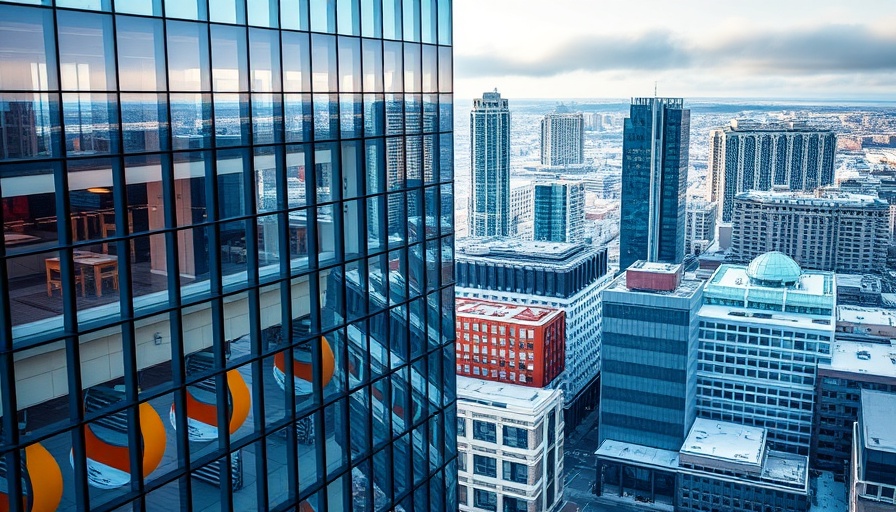
Ragon Institute Cambridge design with glass facade in urban setting.

The Ragon Institute: A Bold Leap in Infectious Disease Research

In the heart of Kendall Square in Cambridge, Massachusetts, an innovative architectural marvel has emerged—the Ragon Institute. Designed by the Boston-based firm Payette, this ambitious project stands as a collaborative effort between Mass General, Massachusetts Institute of Technology (MIT), and Harvard University. Spanning 323,000 square feet, this cutting-edge facility is dedicated to advancing research on infectious diseases, including HIV-AIDS and COVID-19.

Embracing the Unusual: A Triangular Architectural Vision

The Ragon Institute's design uniquely capitalizes on its triangular site, creating a structure that flows seamlessly with the landscape. The architects at Payette have not only embraced the shape of the site but have also elevated the building above the floodplain to account for environmental challenges in the 100-year flood zone bordering the Charles River. According to the architectural team, the building's mass floats above a continuous band of greenery that envelops the institute, promoting ecological resilience and community interaction.

A Climate-Resilient Landscape: Integrating Nature and Architecture

One of the standout features of the Ragon Institute is its integration of green roofs and living walls, which serve a dual purpose: enhancing aesthetic appeal and supporting biodiversity. The green roofs covered in sedum provide insulation and minimize stormwater runoff, reflecting a commitment to sustainable architecture. Alongside two mature linden trees preserved on-site, a diverse array of vegetation is planted to create a climate-resilient landscape, thus ensuring that the building's surroundings support both flora and research activities.

Architectural Aesthetics: Soft Yet Dynamic

Throughout the institute, a harmonious blend of materials has been employed to promote both functionality and beauty. The base of the building features earthy materials such as quartzite and anodized copper, fostering a sense of permanence. In contrast, the upper levels are crafted with expansive glass and vertical aluminum fins, introducing a sense of lightness and transparency. This contrasting texture not only provides a striking visual dynamic but also contributes to the building's energy efficiency, achieving a predicted 61% reduction in energy consumption compared to typical buildings.

Inviting Interiors for Inspiring Collaboration

Upon entering the Ragon Institute, one is greeted by a spacious multi-storey atrium defined by curvy lines and ample daylight flowing through a large skylight. Research laboratories are designed around this central communal area, encouraging interaction and collaboration among researchers. Interior finishes have been carefully selected to enhance the work environment; they include cherry-veneer wall panels with micro-perforations for improved acoustics and sustainable flooring solutions. These design choices are crucial for creating an ergonomic workspace tailored to enhance productivity and comfort for remote workers.

Looking Forward: The Future of Research and Community

The Ragon Institute is not merely a building; it is a symbol of hope and innovation in the fight against infectious diseases. With facilities that include a café, daycare center, and collaborative spaces, the design aims to create a nurturing environment for researchers and their families. By integrating flexible workspaces with community-centered designs, the Ragon Institute is positioned to foster groundbreaking discoveries while ensuring a supportive atmosphere for its members.

Join the Movement: Advocate for Ergonomic Workspaces

As researchers and digital nomads alike increasingly value the intersection of comfort and productivity, embracing thoughtful design becomes essential. Whether working from home or in a collaborative facility like the Ragon Institute, the principles of ergonomic space design can enhance well-being and output. To ensure a bright future in both research and remote work, let’s promote the creation of environments that prioritize health and innovation.

Workspaces

0 Comments

Write A Comment

*
*
Related Posts All Posts
01.31.2026

Discover the Future of Remote Work: Stay at the First Hotel on the Moon

Explore the first hotel on the Moon and its impact on space tourism and remote work opportunities.

02.06.2026

Exploring Prefab Timber's Expressive Potential for Digital Nomad Workspaces

Learn how prefabricated timber designs can transform your workspace into an efficient and comfortable haven, inspired by Casa SI.

02.04.2026

Discover Enofilo: A Mesh-Covered Wine Shop That Inspires Remote Workspaces

Update Exploring the Unique Design of Buenos Aires' Enofilo Wine Shop The Enofilo wine shop, nestled in the Bajo Belgrano neighborhood of Buenos Aires, showcases an innovative architectural approach that resonates with the city's unique urban fabric. Designed by the local studio of Juan Campanini and Josefina Sposito, this 175 square metre space artfully combines aesthetic appeal with functionality, creating an inviting atmosphere for digital nomads and wine enthusiasts alike. A Mesh Facade: Blending Urban and Domestic Elements The most striking feature of Enofilo is its metallic mesh facade, which serves as a canvas reflecting the intricate character of Buenos Aires’ streetscape. Inspired by the city’s fragmented aesthetic, the architects aimed to create a structure that complements its surroundings while also standing out as a new addition. The shimmering sliver-coloured mesh wraps around the pre-existing brick walls, forming a delicate yet bold interface between the shop's internal ambience and the urban hustle outside. The Interior: An Inviting Space for Modern Work Styles Upon entering Enofilo, visitors are welcomed into a communal tasting area, ideal for social interaction and networking. With built-in shelving that functions as a wine library clad in the same mesh treatment as the exterior, the interior design echoes the cohesive theme established by the facade. This approach not only reinforces the visual continuity between inside and outside but also enriches the atmospheric quality of the space, making it conducive for work and relaxation. The dark granite counter beneath rough sand-coloured plaster ceilings provides an inviting focal point for interaction, while the light blue metallic staircase leads the visitors to the upper floor. Bridging the Domestic and Urban: A Design Necessity In designing Enofilo, Campanini and Sposito faced the challenge of a complex urban environment that required them to redefine the relationship between public and private spaces. The carefully engineered staircase acts as a pivotal element that connects the upper and lower levels, serving both aesthetic and functional roles. This progression mirrors the experiences of remote workers and digital nomads who traverse various professional settings — from private offices to communal spaces. Focusing on Energy: Key Lessons in Design The design team at Enofilo underscored a crucial lesson in architecture: understanding where to focus energy can make mundane elements appear extraordinary. By spotlighting both the street-front interaction of the building and the experience of navigating the staircase, they created features that resonate deeply with visitors. Emphasizing structure as a medium for communication and connection fosters an environment that encourages productivity and engagement. Local Influence and Global Inspiration Enofilo is not just a wine shop; it is a testament to local artistry and adaptability in the face of modern demands. It positions itself among other notable international wine shop designs—which also integrate their context with innovative architecture, such as the burgundy leather showroom in Milan or a cave-like bar in Valladolid, Spain. As the world sees a rise in unique commercial architectures, many consuming spaces are morphing into multifunctional areas suitable for both leisurely wine tasting and productive work sessions. Conclusion: Why Enofilo Matters The Enofilo wine shop offers more than just a place to buy and enjoy wine; it embodies a philosophy that prioritizes community and connectivity within an urban landscape. For digital nomads looking for welcoming workspaces, Enofilo symbolizes a perfect blend of culture, comfort, and innovation. As cities continue to evolve, spaces like Enofilo provide vital inspiration on how to harmonize work, leisure, and community. If you're a digital nomad considering the best remote workspaces or looking for inviting spots in Buenos Aires to explore, Enofilo stands out as an exemplary venue that beautifully combines contemporary design with the essence of Argentinian culture.

Terms of Service

Privacy Policy

Core Modal Title

Sorry, no results found

You Might Find These Articles Interesting

T
Please Check Your Email
We Will Be Following Up Shortly
*
*
*