Add Row
Add Element
cropper
update

{COMPANY_NAME}

Digital Nomad Weekly logo
update
Add Element
  • Home
  • Categories
    • Productivity
    • Health
    • Packing
    • Food
    • Wellness
    • Workspaces
    • Culture
February 14.2025
3 Minutes Read

How a Robotic Exoskeleton Can Help Pianists Play Faster

How a Robotic Exoskeleton Can Help Pianists Play Faster


Revolutionizing Piano Practice with Robotics

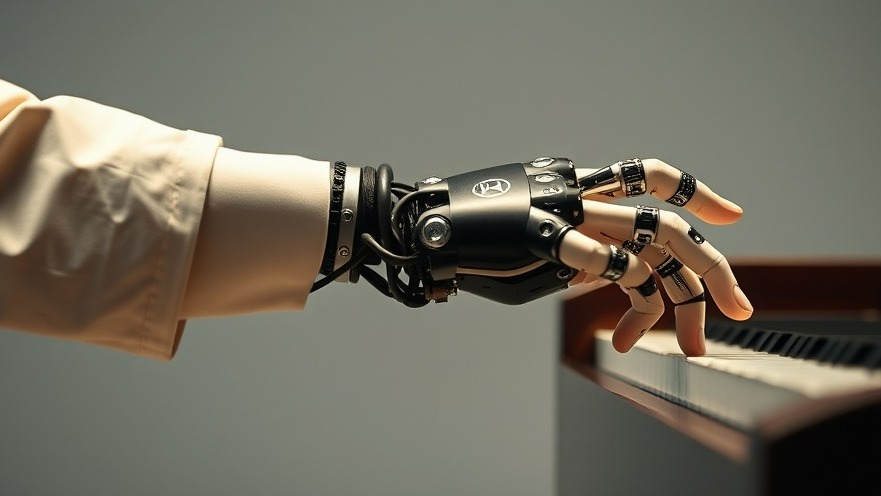
In an exciting blend of technology and music, researchers from Sony Computer Science Laboratories in Tokyo have unveiled a groundbreaking robotic exoskeleton designed to assist pianists in overcoming performance plateaus. This innovative development, spearheaded by Shinichi Furuya, integrates robotics to enhance finger speed and dexterity without the traditional risks associated with over-practicing.

Understanding the 'Ceiling Effect'

Many expert musicians experience what is known as the 'ceiling effect,' where progress stagnates after reaching a certain level of proficiency. This phenomenon is particularly common among skilled pianists who may find that no amount of additional practice yields significant improvements. The robotic exoskeleton addresses this issue by autonomously moving the fingers, engaging the pianist in a unique training method. By allowing the device to control finger movements—sometimes at speeds up to four times that of normal—pianists can push beyond this barrier and unlock new levels of skill.

How the Exoskeleton Works

Unlike typical practice that solely relies on repetition, the robotic exoskeleton initiates a different kind of learning process. The device is equipped with motors at the base of each finger, enabling it to maneuver the fingers through complex movements. This not only aids in immediate performance enhancement but also induces neuroplastic changes associated with improved motor control, which were observed even after removing the exoskeleton. After just one 30-minute session, participating pianists exhibited an impressive average speed increase of 30% in their performances, demonstrating the potential of this technology.

The Science Behind the Innovation

Research has shown that somatosensory stimuli play a vital role in motor skill development. The mechanical assistance provided by the exoskeleton not only allows for complex finger movements but also stimulates the sensory feedback systems in the body, potentially enhancing cognitive functions related to music performance. Further studies indicate that even untrained fingers experienced improved dexterity, thanks to what's known as the intermanual transfer effect. This suggests a significant benefit for pianists looking to develop both hands equally—a challenging feat for many musicians.

Broader Implications for Musicians

The implications of this technology stretch beyond just piano players. The design of this exoskeleton opens opportunities for advancements in various fields, including e-sports and surgery, where fine motor skills are essential. The applications for an exoskeleton that can provide support while enhancing performance could lead to significant improvements in how skilled tasks are approached across multiple disciplines. As technology continues to evolve, AI-assisted training methods may very well redefine traditional skill development and practice methodologies.

Considerations and Future Directions

While the advancements brought on by the robotic hand exoskeleton are promising, questions linger around its practical application for daily practice among musicians. Can this innovation truly replace traditional learning methods, or will it serve as a supplementary tool to enhance and support existing techniques? As researchers continue to explore this technology, it opens a dialogue about integrating high-tech solutions into artistic practices, merging the worlds of art and science like never before.

This novel fusion of robotics and instrumental training not only excites professional musicians but also places a spotlight on the future of music education and performance. As musicians and technologists work together, the potential for innovation remains limitless.


Workspaces

Write A Comment

*
*
Related Posts All Posts
12.13.2025

The Best Interiors of 2025: Essential Tips for Digital Nomads

Update Exploring the Best Interiors of 2025: A Guide for Digital Nomads As the world of interior design evolves, 2025 brings an array of exciting concepts that can transform your workspace into an inspiring haven for productivity, especially for digital nomads. The best interiors of 2025 showcase the intriguing interplay of aesthetics and functionality, ideal for those who work remotely and seek comfort in their surroundings. Innovative Design Trends for Remote Workspaces This year, the significance of multifunctional furniture is paramount. A notable example is the Novu Waffle in Riyadh, designed by Masquespacio. This cafe features imaginative spatial designs that can inspire your own workspace—think about how playful elements can create a conducive atmosphere for creativity and collaboration. With soft edges and calming palettes, such interiors help foster a sense of tranquility essential for focused work. Health and Well-Being: The Core of Interior Design As emphasized in Decorilla's 2025 trends, wellness-focused spaces are becoming a vital aspect of home and workspace design. Areas dedicated to relaxation, such as meditation corners or yoga nooks, can significantly enhance your mental health. Integrating plants and natural light in your workspace mimics the calming aesthetics found in the eclectic decor of the Home from Home project in Denmark. The result? An inviting environment that promotes productivity and well-being. Embracing Sustainable Materials With sustainability at the forefront of contemporary design, adopting eco-friendly materials is not just trendy; it’s essential. The Casa Sofia project beautifully illustrates this concept with its careful renovation of a derelict structure, respecting the local aesthetics while creating modern interior spaces. For digital nomads looking to invest in furniture, consider sustainable options that tell a story and enrich your workspace. Color and Texture: Transforming Your Workspace Color psychology plays a pivotal role in crafting a mood-appropriate workspace. Limiting the palette to earthy neutrals or rich jewel tones can create an inviting backdrop for work. Inspired by the British Farmhouse project, using textured walls and colorful accents can add depth and character to your remote work environment, encouraging focus and creativity. Creating an Engaging Atmosphere In 2025, there’s a clear shift away from all-white interiors to spaces brimming with personality and vibrancy. According to insights from Vogue, drapery and textured furnishings are making a comeback, underscoring the importance of layered designs. As a digital nomad, your workspace should reflect not just functionality but also your personal style, making it feel unique and inspiring. Practical Tips for Designing Your Workspace To maximize your workspace’s potential, here are some actionable tips drawn from the 2025 interior trends: Invest in multifunctional furniture: Choose pieces that serve various purposes—like coffee tables that double as storage or desks that can be adjusted for sitting or standing. Incorporate wellness elements: Use ergonomic furniture and design spaces for relaxation to infuse your work hours with health benefits. Emphasize color and texture: Layer textures and introduce colors that resonate with your personality to keep your workspace lively. As you redefine your workspace, remember that balance is key. Blending practicality with personal style and wellness not only enhances productivity but also ensures your workspace feels like a place where you want to spend your time. Ready to enhance your workspace and make it as functional as it is beautiful? Embrace these trendy designs and invest in the elements that inspire you, ensuring your remote work experience is as comfortable and productive as possible.

12.11.2025

Discover How the Terrace Mirage House Enhances Indoor-Outdoor Living for Remote Work

Explore indoor outdoor living in the Terrace Mirage House, blending ergonomic design and vibrant colors for an uplifting workspace.

12.09.2025

How Frank Gehry’s Iconic Designs Can Transform Your Remote Workspace

Explore how Frank Gehry's architectural innovation can inspire your workspace design for enhanced productivity and comfort.

Terms of Service

Privacy Policy

Core Modal Title

Sorry, no results found

You Might Find These Articles Interesting

T
Please Check Your Email
We Will Be Following Up Shortly
*
*
*