Add Row
Add Element
cropper
update

{COMPANY_NAME}

Digital Nomad Weekly logo
update
Add Element
  • Home
  • Categories
    • Productivity
    • Health
    • Packing
    • Food
    • Wellness
    • Workspaces
    • Culture
June 01.2025
4 Minutes Read

How Digital Nomads Can Change Bad Habits Through Acceptance

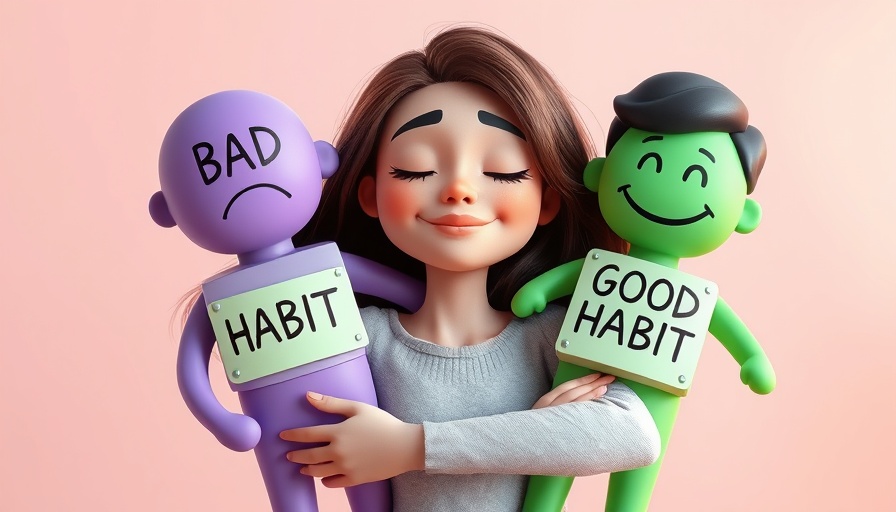
Change bad habits through acceptance: Embracing habits cartoon

Embracing Imperfection: The Journey of Acceptance

As digital nomads, we often face a battle against our own habits, particularly with technology and social media that can become overwhelming during our travels. The urge to document our journeys and stay connected with the world can lead to mindless scrolling on our devices, detracting from the beautiful experiences unfolding around us. But what if the key to breaking free from these seemingly bad habits lies not in denial, but in acceptance?

Understanding the Nature of Our Habits

Habits, especially ones we see as negative, can be deeply ingrained. For many, incessant phone checking or social media scrolling isn't just a nuisance; it can overshadow moments of genuine connection with new cultures and communities we encounter. Realizing this disconnect is the first step towards seeking a change.

Just like the author of our inspiration, who noted the deep frustration that arose from losing focus at the dinner table, many of us experience similar moments where technology disrupts the richness of our surroundings. It's a realization that can strike hard, pushing us to reassess our relationship with these habits.

The Exhausting Cycle of Resolution and Relapse

When the quest to eliminate bad habits starts, it often follows a familiar trajectory—motivation surges, followed by inevitable temptation and perceived failure. This cycle can be particularly frustrating when you’re on the road, where downtime might tempt you back into old routines of distraction.

Instead of enforcing strict rules, such as "never use your phone," consider viewing your habits through a lens of curiosity and compassion. It’s important to observe not only the habit itself but the emotions and situations that trigger it. Who hasn’t reached for their phone out of boredom or loneliness at an airport or while waiting for a bus? Understanding these triggers is crucial.

Acceptance: A New Approach

The concept of acceptance provides a fresh perspective that can transform how we handle our habits. Acceptance doesn’t mean complacency; it means acknowledging your urges without judgment. Instead of labeling yourself as "lazy" for resorting to your phone, approach it as an explorer—seek to understand what need was prompting that behavior. This shift in mindset helps reduce anxiety around the habit, allowing for genuine curiosity instead of disappointment.

Integrating mindfulness into this journey can be immensely beneficial. Techniques such as meditation or journaling can help identify and clarify those triggers. What emotions are prompting you to scroll? Is it boredom, anxiety, or perhaps a desire for connection? With awareness, the habit diminishes its power over you.

Practical Steps to Facilitate Change

As you begin to navigate this new terrain of acceptance, employ practical steps to help you reframe your approach to habits:

  • Create space for observation: Track when and why you reach for your phone, considering the emotions and triggers involved. This awareness is the first step towards genuine change.
  • Change the narrative: Instead of restricting yourself stringently, try a supportive internal dialogue. Using phrases like "perhaps I shouldn’t use my phone now" empowers you to acknowledge the desire without succumbing to it.

Strategies for Mindfulness Amidst Distractions

Before you head to that next exotic destination, it's wise to prepare yourself mentally to maintain balance. Here are a few strategies to help integrate mindfulness into your travel routines:

  • Set Specific Times for Technology: Allocate certain hours to check social media or reply to messages. This sets healthy limits while allowing for clarity.
  • Engage with Your Surroundings: Make an intentional effort to immerse yourself in the local culture. Allocate tech-free time for exploration, ensuring you experience the essence of travel.
  • Reflect and Adjust: Regularly reflect on your habits and make adjustments as necessary. Are you engaging with your surroundings as you intended?

The Importance of Connection

As we travel, building genuine connections becomes crucial. Digital habits can hinder the intimacy of our experiences, often prioritizing virtual interactions over real-life relationships. Learning to prioritize presence over distraction not only enhances our journeys significantly but enriches the tapestry of memories created along the way.

Finding Your Balance

Accepting your habits does not equate to giving in; it is rather an understanding that allows you to regain control. Recognize that such habits are part of your human experience. The key is to find that balance between technology and presence, allowing each moment to unfold beautifully.

By shifting from a mindset of constraint to one of acceptance and understanding, digital nomads can continue to explore the world while nurturing their mental health. So as you embark on your next adventure, reflect on your habits, cultivate mindfulness, and enjoy every moment without the cloud of distraction hanging overhead!

Wellness

0 Comments

Write A Comment

*
*
Please complete the captcha to submit your comment.
Related Posts All Posts
04.19.2026

Why the Strong Friend's Request for Help Matters in Travel Health

Update The Hidden Struggles of Being the Strong Friend Being the 'strong friend' often comes with its own set of burdens. Typically seen as the reliable source of support and wisdom for others, it can result in profound feelings of isolation and emotional exhaustion. As travel enthusiasts and digital nomads, we often pride ourselves on our self-sufficiency and independence. Yet, what happens when the strong friend finally asks for help? This essential question echoes through the hearts of many struggling with mental health on their journeys. Building Trust Through Vulnerability Simon Sinek's notion of trust-building through vulnerability resonates deeply. The initial responses to Sinek’s exercises are often surface-level, exposing a common tendency among friends to acknowledge each other's strengths without touching on the messy, emotional aspects of life. This can make it particularly challenging for the 'strong friend'—the one who typically assumes the role of the caregiver—to seek the help they require. They may feel that asking for assistance undermines the very strength that defines them. Creating Emotional Connections in a Nomadic Lifestyle Digital nomads often transition from one community to another, which can lead to superficial interactions rather than deep emotional connections. The fast-paced nature of travel might give the impression that friendship comes easily; however, this can lead to emotional unavailability. Strong friends may feel the constant pull to offer strength to those around them but struggle to cultivate the vulnerability needed for deeper connections. The Paradox of Emotional Independence Many strong individuals take pride in their self-sufficiency, portraying a façade that can deter genuine emotional engagement. Reflecting on personal struggles and realizations can lead to meaningful change. By recognizing a pattern where friendships revolve around problem-solving rather than emotional depth, digital nomads can begin to break the cycle. A friendship should ideally encompass emotional sharing, support, and the freedom to express one's struggles openly. Empowering Each Other Through Asking for Help For travelers facing mental health challenges, it’s essential to remember that seeking help is a strength, not a weakness. This mindset shift can be transformative. Once strong friends allow themselves to be vulnerable, they empower others to do the same. Sharing struggles can forge closer bonds and foster a community where emotional honesty is welcomed, creating a supportive network. Practical Tips for Building Emotional Intimacy While Traveling 1. **Open the Door to Vulnerability**: Start small—share a personal struggle, no matter how mundane. This encourages others to reciprocate. 2. **Establish Routine Check-Ins**: Schedule regular times to chat with friends, bridging the physical distance with emotional connection. 3. **Cultivate a Safe Space for Sharing**: Create environments where sharing is encouraged, whether through community groups, online forums, or travel meetups. 4. **Practice Empathy**: Understand that asking for help helps build trust and emotional intimacy, crucial elements of lasting friendships. Realizing the Strength in Community Understanding that we are not alone in our struggles is paramount for digital nomads grappling with mental health. The strongest friendships are built not solely on support but also on shared vulnerabilities. The moment we stop wearing our masks and speak authentically about our challenges is when we begin fostering genuine connections. As the notion of the strong friend evolves into one that welcomes vulnerability, we can redefine what it means to truly support one another. In an ever-changing world, take the first step today: reach out not only as a provider of strength but as one who seeks support. Let’s cultivate a community where asking for help is seen as a courageous act instead of a sign of weakness.

04.18.2026

Suppressed Emotions Impacting Your Journey? Discover Healing Secrets for Digital Nomads

Explore the impact of suppressed emotions on health for digital nomads and discover healing secrets to enrich your travel experience.

04.17.2026

How Anxiety Can Teach Digital Nomads Important Life Lessons

Discover vital life lessons from anxiety and how they empower digital nomads to manage mental health challenges, fostering resilience and community.

Terms of Service

Privacy Policy

Core Modal Title

Sorry, no results found

You Might Find These Articles Interesting

T
Please Check Your Email
We Will Be Following Up Shortly
*
*
*