cropper
update

{COMPANY_NAME}

Digital Nomad Weekly logo
update
  • Home
  • Categories
    • Productivity
    • Health
    • Packing
    • Food
    • Wellness
    • Workspaces
    • Culture
June 20.2025
3 Minutes Read

How Digital Nomads Can Choose to Coexist with Fear and Spiders

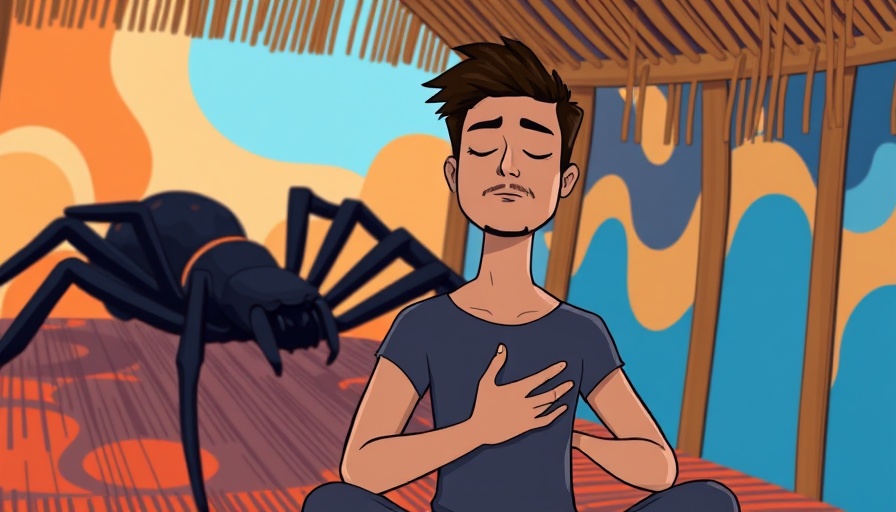
Calm man meditates next to spider in colorful bamboo setting.

Finding Peace in the Presence of Fear

As digital nomads journey through various landscapes, they often encounter not just new sights, but also deeply personal challenges—especially around mental health. One aspect that frequently looms large is fear. Whether it’s a fear of isolation, the unknown, or even small, unexpected creatures like spiders, these sensations can deeply impact our travel experiences. But what if we could learn to coexist with these fears instead of letting them control us?

Coexistence: An Unexpected Teacher

Years ago, I ventured into the lush mountains of Bukidnon in the Philippines, intending to document life among the Pulangiyēn people. However, my most profound lesson had nothing to do with the generous locals or their rich culture, but rather with a large spider lurking in the corner of my bamboo hut. Initially, the presence of the spider filled me with dread. Each night was punctuated by thoughts of it climbing onto my skin—a visceral fear rooted in the unknown.

Listening to the villagers, who regarded the spider not as a fearsome foe but as a natural part of their world, I realized I had a choice: I could either coexist with my fear or let it dictate my experience. This perspective shift became crucial as I learned that fear is often just a reflection of our discomfort with uncertainty.

Shifting Your Relationship With Fear

As I settled into the rhythm of life there, my fear of the spider began to fade. Instead of fixating on its presence, I focused on understanding it without the pressure of needing to eliminate it. Just like that spider, fear appears in various forms during our travels—regarding social situations, new environments, or personal dilemmas. By recognizing that fear doesn’t always need to be solved, we can shift how we relate to it.

In many indigenous cultures, there's an understanding that all beings share a space and that each has value and purpose. This sentiment rings true in Buddhist practices where embracing all aspects of existence—pleasant or unpleasant—fosters a sense of peace. Extending kindness even to the uncertainties can transform how we view the challenges we face.

Tools and Techniques to Coexist with Fear

For digital nomads grappling with anxiety on the road, here are practical techniques that may help:

  • Mindfulness Meditation: Engage in regular mindfulness practices that center yourself in the moment. This could mean simply appreciating the view instead of worrying about what comes next.
  • Journaling: Documenting your fears in a journal can be a powerful way to externalize and process what’s bubbling beneath the surface.
  • Seeking Community: Connecting with fellow nomads can create a valuable support network. Sharing experiences helps normalize struggles.
  • Self-Compassion: Remember that it’s natural to feel fear. Allow yourself to acknowledge these feelings without judgment.

Embracing the Journey Ahead

Every journey we embark on teaches us something unique. The presence of fear—whether in the form of a spider or a looming uncertainty—shouldn't inhibit our sense of adventure. Instead, they remind us of the deep-rooted connections we can forge in unfamiliar places, enhancing our travel experience. By embracing coexistence, we become larger than our fears, able to navigate life’s uncertainties with grace.

As you journey on your path, remember: fear is part of the experience. You don’t have to let it consume you. Instead, consider it a companion, one with much to teach if you’re willing to listen. Your next adventure awaits, and with it, the opportunity for growth and understanding.

The Call to Action

So, as you prepare for your next travel venture, apply these insights. Explore the notion of coexistence, embrace your fears, and let them be a part of your narrative instead of your hindrance. Remember, growth often comes from sitting with discomfort and learning from it. When you respect what you fear, you allow yourself to discover new dimensions of your journey.

Wellness

0 Comments

Write A Comment

*
*
Please complete the captcha to submit your comment.
Related Posts All Posts
05.25.2026

Understanding How Grief Persists in the Lives of Digital Nomads

Update The Lingering Echoes of Grief in a Digital Nomad's Life As digital nomads, traveling from town to town, we find solace in new vistas and cultures. Yet amidst the excitement of discovering new places, we often carry with us less visible burdens. Grief, a universally complex emotion, often accompanies us in our journeys, subtly shaping our experiences and interactions. Unseen Connections: Grief and Daily Routines One cannot underestimate the role of daily rituals when dealing with grief. These familiar patterns can provide structure during turbulent emotional times. For example, in B.R. Shenoy's article, Diana’s routine with her dog Zibby represented a source of comfort and responsibility during her grief. As digital nomads, your routines might include early morning coffees in quaint cafes or evening strolls in new neighborhoods. Embrace these rituals as anchoring points that can help navigate your emotional landscape. Whether it’s a moment of reflection while sipping your favorite brew or a quiet evening journaling about your day, these practices can create necessary space for healing amidst traveling. When Grief Meets New Experiences While exploring new environments, it’s common for memories of loss to resurface unexpectedly. The smell of a familiar dish in a bustling market or a song in a public square may trigger fragments of grief, flooding your mind with memories. In the journey of grief, such moments can disrupt our focus, as highlighted in articles about grief management. Having strategies in place for these times is crucial. Consider practicing mindful breathing or engaging in grounding techniques to redirect emotions when they arise. Simple actions like pausing to appreciate the present, despite the sorrow, can facilitate a healthier emotional response. The Importance of Connection Coping with grief is not a solitary journey. For digital nomads who are often transient, having a support system can be challenging yet vital. Sharing experiences with friends or joining community gatherings while traveling can provide necessary emotional support. Authors of grief management articles suggest that fostering relationships is key to processing loss. Don’t hesitate to communicate your feelings with trusted friends, whether online or in person. Find a local therapist through platforms that connect travelers with resources in new cities if needed. These connections remind us that we’re not alone in our journeys of healing. Integrating Grief and Wellness Engaging in wellness practices tailored for grief is essential while moving forward. Incorporating gentle movement like yoga, meditation, or even casual walks raises your awareness of your body. It allows space for grief to coexist with your pursuit of joy during travel. Therapists often emphasize how acknowledging grief through physical and mental health checks can enhance well-being. Balance work responsibilities and self-care by evaluating your energy levels regularly. With travel often restructuring our lives, maintaining this balance becomes even more crucial for mental health. A New Perspective on Loss At its core, grief is about love—the bond shared and the memories created. As you travel and experience new cultures, reflect on the lessons from loss. Whether through visualizing experiences, writing, or even through art, transform your grief into something that fuels your journey rather than hinders it. Ultimately, embracing the fact that grief accompanies you can lead to personal growth. It teaches resilience and allows you to carry the love for those lost into your future adventures. Take Action Grief doesn't have a timeline. Just as you adapt to new cultures and environments, allow yourself to adapt to the emotional waves of loss. Join online support groups, explore resources, or connect with local communities in your current location. Remember, carrying grief forward means you're learning to love in new and profound ways.

05.24.2026

How to Regain Your Identity After Losing Yourself in a Toxic Relationship

Explore how toxic relationships lead to loss of identity and discover actionable steps for recovery and rebuilding self-worth.

05.21.2026

How to Navigate Mental Health Struggles Linked to Conditional Love

Explore the mental health struggles linked to conditional love, and discover healing insights and practices for emotional well-being.

Terms of Service

Privacy Policy

Core Modal Title

Sorry, no results found

You Might Find These Articles Interesting

T
Please Check Your Email
We Will Be Following Up Shortly
*
*
*