cropper
update

{COMPANY_NAME}

Digital Nomad Weekly logo
update
  • Home
  • Categories
    • Productivity
    • Health
    • Packing
    • Food
    • Wellness
    • Workspaces
    • Culture
July 25.2025
3 Minutes Read

How Lahaina’s Chefs Are Rebuilding Community After Wildfires

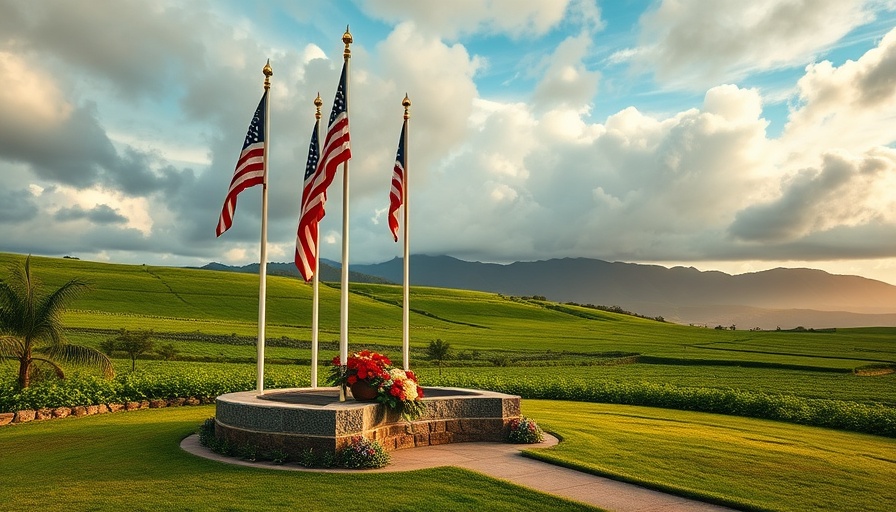
Flags and memorials in lush Hawaiian landscape, Hawaiian food culture tribute.

The Resilient Spirit of Lahaina’s Culinary Community

In August 2023, a catastrophic wildfire swept through Lahaina, devastating not only the landscape but also the spirit of its community. Chefs Kyle Kawakami and Mark “Gooch” Noguchi recall the harrowing scenes as flames engulfed homes, and residents scrambled to find safety. With over 2,200 structures destroyed and 102 lives lost, the road to recovery has been long and fraught with challenges.

As the dust settled, these culinary leaders quickly mobilized to support their neighbors in need. In Hawai‘i, food is more than just sustenance; it’s a cultural cornerstone that connects people, making their response to this crisis even more poignant. "We saw the community rallying around the needs of those who lost everything," reflects Kawakami. "Food became a bridge to rebuild trust and renew hope in Lahaina."

Food as a Catalyst for Healing

Food, particularly in the context of those impacted by the fires, serves as a source of comfort and resilience. At Maui Fresh Streatery, Kawakami introduced initiatives to ensure that every meal not only nourished physical bodies but also filled emotional voids. He adeptly turned his food truck, usually a spot for local cuisine, into a mobile relief center, serving hundreds of meals daily to those displaced. "When people came to our truck, it was more than just about getting food; it was about finding a moment of normalcy and connection," he adds.

Meanwhile, Noguchi, with Chef Hui, established a unique approach by not only feeding the afflicted but providing culinary education and empowerment. Their non-profit organization expanded its mission to include cooking classes that united the community, fostering new skills and creating social connections amidst the shared struggles of recovery. "By teaching people how to cook, we’re instilling a sense of purpose and strength," he states. "Their resilience is the real food that nurtures this community."

The Ongoing Journey Towards Rebuilding

As we approach the second anniversary of the wildfires, Lahaina's recovery remains a work in progress, but hope is steadily taking root. While new homes are being built and businesses are reopening, many are still in temporary housing, residing amidst the ashes of their past lives. The culinary efforts facilitated by Kawakami and Noguchi are emblematic of a broader movement towards healing.

Food plays a critical role in this journey, not merely as basic nourishment but as a symbolic act of remembrance and community-building. Lahaina has seen pop-up fundraisers and community dinners that allow residents to share their stories over a meal, illustrating how food continues to forge connections. Through these actions, both chefs emphasize the importance of resilience, hope, and collaboration in a community working to rise from tragedy.

Diversity and Cultural Significance in Healing

The cultural significance of Lahaina, once a capital of the Hawaiian Kingdom, amplifies the importance of preserving its history through recovery efforts. The local food scene—a fusion of rich traditions and innovative techniques—serves as a reminder of the unique identity that binds the community together. Efforts to keep this culinary heritage alive are vital as chefs integrate local ingredients to create dishes reflecting both nostalgia and passion.

This blending of history and resilience finds expression in the menus of local restaurants rebounding from the fires. During a recent dinner, guests enjoyed traditional Hawaiian fare prepared by local chefs, learning not only about the food but the stories behind it. Culinary festivals and workshops are beginning to sprout, showcasing how the past informs the present and cultivates a sense of pride in a rejuvenated Lahaina.

How You Can Support Lahaina’s Revival

As the community continues to heal, individuals can play a vital role in supporting Lahaina’s culinary revival. Whether through visiting local eateries, participating in fundraising events, or donating to organizations like Chef Hui, each small action contributes to rebuilding both the city and the spirit of its people.

In a world where each meal can be a metaphor for resilience, embracing these connections serves as a reminder of our shared humanity. As we navigate through our adventurous food journeys, let us not forget the indomitable spirit of Lahaina.

Join the Effort

Consider supporting initiatives that empower local chefs and community members. Your involvement can help ensure that traditions continue and that stories of resilience are woven into the fabric of this vibrant culture.

Food

0 Comments

Write A Comment

*
*
Please complete the captcha to submit your comment.
Related Posts All Posts
05.14.2026

Korean Chefs Reconnect with their Roots by Embracing Farming

Update Reviving Heritage: Korean Chefs Turn to Farming As the culinary landscape rapidly evolves, many chefs are seeking to reconnect with their roots. Among them are a group of influential Korean chefs who are taking this a step further by establishing First Hand Farm in New York’s Hudson Valley. This initiative is not just about sourcing high-quality ingredients; it represents an unyielding commitment to preserving cultural legacy and agricultural practices. The Journey to Farming Chef Chang-ho Shin, known for his Michelin-starred venture Joo Ok in Korea, found himself struggling to find essential Korean ingredients upon relocating to New York City. This gap in the market – where traditional perilla seeds and crucial vegetables for namul banchan fell short in quality or were practically unreachable – ignited a passion within Shin to establish a sustainable farming project. Joined by fellow chefs Hoyoung Kim, Ok Dongsik, and the Park couple, they collectively founded First Hand Farm to cultivate foundational Korean crops. "I wanted to have more control over my produce and a closer relationship to the ingredients," he shares. Building a Community of Chefs and Farmers The underlying philosophy of First Hand Farm transcends individual chefs’ aspirations; it fosters a sense of community. As the chefs band together, they are not only working the land but are also engaging in broader conversations about identity and purpose in their culinary practices. According to Chef JP Park, this transition represents a significant evolution in thinking, demonstrating how Korean culinary philosophy can merge with New York’s own agricultural identity. The farm encapsulates a longing to educate the next generation about the intrinsic bond between nature, ingredients, and the artistry of cooking. Farming’s Role in Korean Cuisine At the heart of their culinary heritage is the process of making jang, a fermented paste that forms the foundation of many Korean dishes. The meticulous process involves creating fermented soy blocks, or meju, which takes time, patience, and a touch of personal care. Ellia Park beautifully sums it up: "At its core, jang relies on just a few elements: soybeans, salt, time, and patience." Through First Hand Farm, this traditional practice is not only preserved; it is rooted in American soil. Fostering Sustainability with Korean Natural Farming The establishment of First Hand Farm also aligns with practices from Korean Natural Farming (KNF), which promotes sustainability and a closed-loop agricultural system. By harnessing local resources and minimizing reliance on chemical inputs, the chefs are exploring soil health while cultivating plants that reflect their culinary culture. This approach highlights the importance of sustainability in modern farming, linking back to the ideals that underscore both Korean heritage and contemporary ecological consciousness. Benefits of Community Farming Initiatives Beyond the tangible benefits of fresh produce and preserved cultural practices, First Hand Farm stands as a monument for collaboration, education, and cultural exchange. The farm creates a unique opportunity for chefs and aspiring cooks to immerse themselves in practical agricultural experiences – cultivating a strong foundational knowledge of where food originates. By regularly engaging with the farm, they aim to break the existing barriers within fine dining that often separates chefs from the intricate processes of farming. Looking Forward: The Future of Korean Cuisine As interest in Korean food surges globally, the farm symbolizes not just a means of self-sufficiency but a bright beacon for innovative culinary exploration. With a focus on local terroir, JP Park believes that growing Korean ingredients in New York will not only redefine the flavor profiles but also enrich the cultural identity that these chefs wish to share. With ongoing efforts in education and a commitment to preserving traditions, First Hand Farm sets a compelling example of how culinary arts and agriculture can coexist harmoniously. Conclusion: Empowering Future Generations of Chefs For these chefs, First Hand Farm isn’t merely an agricultural project; it's a rebirth of their culinary heritage in a new land. It offers a new generation of cooks an invaluable experience — recognizing the vital link between ingredients and the culinary narratives they create. As food culture evolves, these initiatives remind us of the importance of understanding where our food comes from and how it shapes our identity. Joining the community effort of First Hand Farm not only supports sustainable practices but also empowers future generations to embrace and innovate upon their culinary traditions. Engage, learn, and experience the transformation of modern food culture through the magic of farming and culinary collaboration!

05.10.2026

Excited for the Bourdain Biopic? Here's What You Need to Know!

Explore the buzz surrounding the Bourdain biopic, Tony, delving into its unique focus and cultural significance for digital nomads and food enthusiasts alike.

05.03.2026

Explore Culinary Houston: The Best Hotels for Food Lovers

Discover the best hotels in Houston for food lovers, where each stay offers exceptional culinary experiences reflecting Houston's rich food culture.

Terms of Service

Privacy Policy

Core Modal Title

Sorry, no results found

You Might Find These Articles Interesting

T
Please Check Your Email
We Will Be Following Up Shortly
*
*
*