


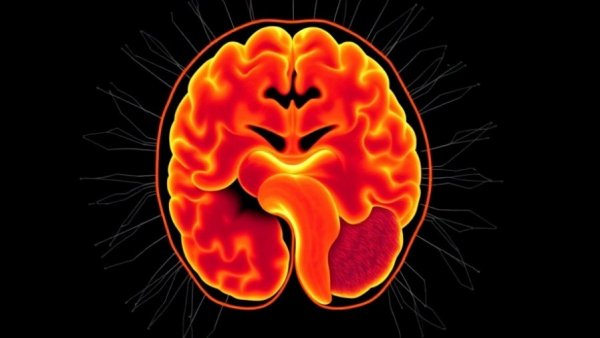
Understanding Hydrocephalus: A Hidden Challenge for Many
Hydrocephalus is a chronic neurological condition that often flies under the radar, affecting over a million individuals in the United States alone. This condition results from an abnormal buildup of cerebrospinal fluid (CSF) within the brain's ventricles, leading to increased pressure that can severely impact brain function. Understanding hydrocephalus is crucial, especially for digital nomads who might find themselves in situations where healthcare access is uncertain.
What is Cerebrospinal Fluid (CSF) and Why Does it Matter?
CSF is a clear fluid that surrounds and protects the brain and spinal cord, playing vital roles in cushioning these organs from injury and delivering essential nutrients. For digital nomads traveling abroad, having sound knowledge of how CSF functions and its importance to brain health can help you better manage personal health risks associated with environmental changes.
Who is Affected by Hydrocephalus?
This condition can develop at any age, making its early recognition essential. One out of every 770 babies born in the U.S. has hydrocephalus. Additionally, an emerging rate of Normal Pressure Hydrocephalus (NPH) cases arises among older adults, particularly those over 60. For digital nomads, awareness of these conditions can lead to earlier detection and improved outcomes.
Distinct Types and Causes of Hydrocephalus
Hydrocephalus can be categorized into two main types: congenital and acquired. Congenital hydrocephalus is present from birth and can occur due to genetic or environmental factors during pregnancy. On the other hand, acquired hydrocephalus can develop after birth due to head injuries, tumors, or infections.
For those navigating international environments, understanding these distinctions helps when discussing health risks and can assist in seeking appropriate medical interventions if necessary.
Symptoms of Hydrocephalus: What to Watch For
Symptoms can vary by age group. In infants, symptoms often include an abnormal enlargement of the head and irritability. In adults, particularly those with NPH, symptoms can manifest as issues with balance, urinary incontinence, and cognitive decline. For nomads, staying alert to these signs in oneself or peers can facilitate earlier treatment, reducing long-term complications.
Actionable Tips: Managing Healthcare Abroad
For digital nomads, managing healthcare effectively while traveling is vital. Here are some practical tips to stay proactive:
- Research Healthcare Options: Before traveling, research healthcare facilities at your destinations. Knowing where to go for treatment is essential.
- Regular Check-ups: Schedule routine health check-ups if you travel frequently, even if you feel fine.
- Educate Yourself: Equip yourself with knowledge about conditions like hydrocephalus. Understanding the symptoms enhances your awareness and can prompt timely medical consultations.
The Importance of Community and Support Networks
The journey of managing a chronic condition like hydrocephalus is substantially influenced by community support. Digital nomads can benefit from forums and groups dedicated to health awareness. Building a network provides advice, resources, and emotional resilience while navigating unique health challenges abroad.
In conclusion, hydrocephalus is a complex condition that highlights the need for awareness and proactive health management, especially for those frequently on the move. If you suspect symptoms or have concerns, reach out to healthcare professionals for assistance. Awareness and timely intervention can significantly impact your health and wellness.


Write A Comment