 Add Row
  Add
Add 


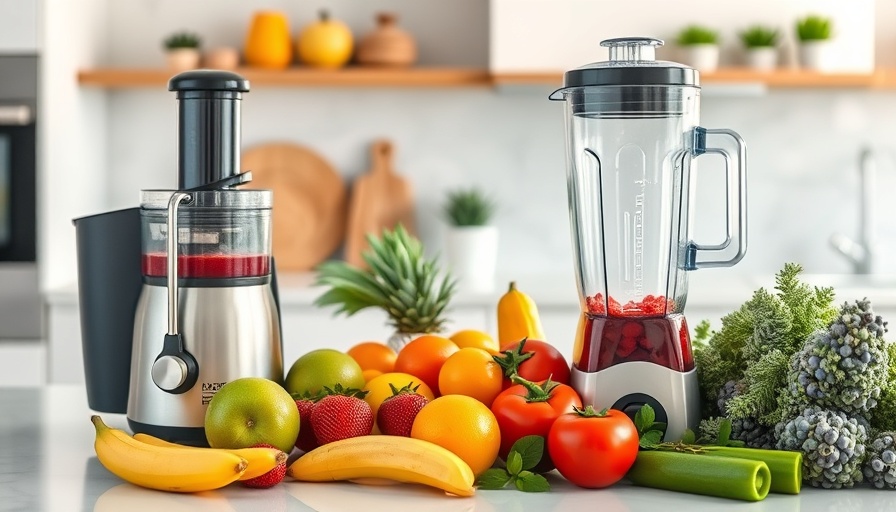
The Great Juicer vs. Blender Debate
In the world of kitchen appliances, few debates are as hotly contested as whether to invest in a juicer or a blender. Both have unique features and benefits, but their distinct functionalities can determine which one will boost your kitchen experience the most. For digital nomads seeking efficiency and practicality in their meal prep, making an informed choice between these two devices can enhance productivity in the kitchen and promote better health.
Understanding Each Appliance
Juicers are specialized machines designed exclusively for extracting juice from fruits and vegetables. They work in two primary ways: masticating and centrifugal. Masticating juicers, often referred to as slow or cold press juicers, operate at lower speeds to preserve the nutrients in juice while efficiently grinding produce into pulp. On the other hand, centrifugal juicers use high-speed blades to spin and extract juice quickly, which can lead to a loss in nutritional value due to heat generation.
Blenders, contrastingly, are versatile appliances that can handle more than just juices. They puree, liquefy, and mix a variety of ingredients, making them ideal for smoothies, soups, and sauces. Digital nomads who appreciate multitasking in the kitchen may find a blender provides better overall value, allowing them to create diverse meals with one machine.
Picking the Right One for Your Needs
The choice between juicers and blenders ultimately depends on your dietary preferences and lifestyle. If you’re seeking to increase your fruit and vegetable intake significantly through juice, a high-quality juicer will serve that purpose exceptionally well. However, if you envision preparing smoothies, soups, or even nut butters, a blender might be the superior investment.
Additionally, consider how much time and effort you want to devote to cleaning and maintaining your appliance. Juicers often have more parts that require thorough cleaning, while blenders generally offer a simpler, less cumbersome cleanup. This factor can influence your decision—especially if you have a busy, nomadic lifestyle.
Convenience and Practicality for Busy Lifestyles
For those who travel or frequently work remotely, convenience plays a significant role in kitchen efficiency. Blenders typically lend themselves to faster meal prep; simply throw in your ingredients, blend, and you’re done. They’re portable and easy to store, making them the preferred choice for many on-the-go workers.
Conversely, if you prioritize nutrient-rich diets and are committed to drinking fresh juices without additives, investing in a masticating juicer could be a worthwhile commitment. It allows you to savor the fresh essence of fruits and veggies while preserving their health benefits. Ultimately, think about which appliance aligns better with your dietary goals, lifestyle, and personal preferences.
Nutrition: Juicing vs. Blending
Before deciding, it’s vital to understand the nutritional differences between juicing and blending. Juices, especially from masticating juicers, can be packed with vitamins but lack the fiber of whole fruits and vegetables. Blending, however, keeps the pulp intact, retaining fiber and providing more balanced nutrition in the form of whole food goodness. This can be especially relevant for those looking to maintain weight or improve digestive health.
Making the Decision: Factors to Consider
As you weigh your options, there are several factors to consider:
- Purpose: What do you want to create? If juices are your goal, juicers shine. For smoothies and soups, blenders lead.
- Space: Assess your kitchen counter space. Blenders tend to be more compact than most juicers.
- Budget: Juicers can be more expensive than blenders. Consider your price range and long-term investment.
- Maintenance: How often are you willing to clean the appliance? Blenders usually require less maintenance than juicers.
Conclusion: Another Brunch Recipe Awaits
In conclusion, both juicers and blenders offer unique advantages. If you're a digital nomad looking for an easy way to incorporate more fruits and veggies into your meals, weigh your options and choose the appliance that resonates best with your lifestyle. Whether you ultimately decide to juice or blend, both will support a healthier diet and foster better productivity in your daily routine.
Deciding between a juicer and a blender is more than just about preference; it’s about understanding how you wish to incorporate healthy habits into your life. Don't hesitate to explore options and discover new recipes!


Write A Comment