cropper
update

{COMPANY_NAME}

Digital Nomad Weekly logo
update
  • Home
  • Categories
    • Productivity
    • Health
    • Packing
    • Food
    • Wellness
    • Workspaces
    • Culture
February 10.2026
3 Minutes Read

Mastering Menstrual Hygiene: Essential Tips for Digital Nomads

Mastering Menstrual Hygiene: Essential Tips for Digital Nomads

Understanding Menstrual Hygiene: A Global Perspective

Menstrual hygiene is a vital aspect of personal health and well-being that affects millions of individuals worldwide. For digital nomads, managing menstrual hygiene while traveling can present unique challenges, especially in varying cultural contexts and accessibility to sanitary products. Understanding these challenges and effective practices is essential for maintaining health and comfort throughout your travels.

Why Menstrual Hygiene Matters

Maintaining proper menstrual hygiene is not just about personal comfort; it plays a significant role in preventing health complications. Poor menstrual hygiene can lead to infections and reproductive issues. Therefore, having reliable access to hygiene products and facilities is crucial, especially for those away from home.

Essential Menstrual Hygiene Practices

Digital nomads should be equipped with knowledge about various menstrual hygiene practices, which include:

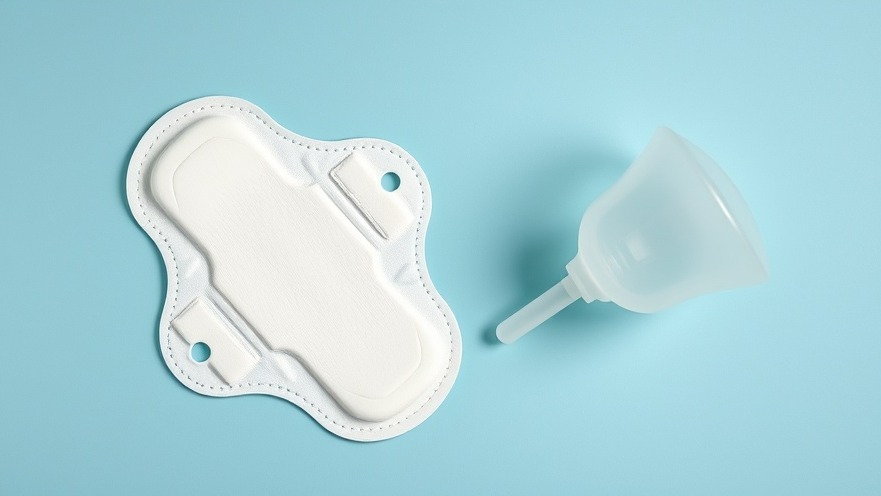
  • Use of Menstrual Products: Familiarize yourself with different types of menstrual products such as pads, tampons, menstrual cups, and reusable cloths. Knowing how to use and care for these products can empower you during your travels.

  • Disposal Methods: Understanding local disposal methods for menstrual products is important. In many cultures, flushing used products down the toilet is inappropriate, so always check local regulations.

  • Hygiene Maintenance: Regular hand washing before and after changing your menstrual product can prevent infections. Carrying hand sanitizer is also a handy option when clean water isn't available.

Adapting to Local Customs and Practices

As you venture into new countries, it is essential to be aware of local customs regarding menstruation. In some cultures, menstruation is a taboo subject, while others may have more open discussions about it. Understanding these cultural nuances can help you navigate situations with respect and sensitivity.

Overcoming Product Accessibility Challenges

Finding menstrual products can vary significantly based on location. In urban areas, a variety of products may be accessible, but in rural or less developed regions, options may be limited. As a solution, consider carrying a supply of your preferred menstrual products while traveling. Many nomads choose to use menstrual cups for this reason; they are reusable, eco-friendly, and compact, making them ideal for traveling.

Practical Tips for Managing Menstrual Hygiene While Traveling

Here are some practical tips to ensure you manage your menstrual hygiene effectively:

  • Pack an Essentials Kit: Include products such as pads, tampons, menstrual cups, and disinfecting wipes in your travel kit.

  • Research Local Availability: Before traveling, research the availability of menstrual hygiene products in your destination. Websites and travel blogs can provide valuable insights.

  • Speak with Locals: Don’t hesitate to ask local women about their preferred products. They can guide you to the best shops or alternatives.

  • Stay Informed on Health Considerations: Use your digital resources to stay updated on health advisories or tips from health organizations regarding menstrual health and hygiene.

Connecting Beyond Personal Health

Staying informed about menstrual hygiene not only supports your health but also contributes to breaking down the stigma surrounding menstruation. By discussing challenges and sharing experiences, digital nomads can empower one another and foster a community of understanding and support.

Actionable Insights for Digital Nomads

Menstrual hygiene is an essential part of your overall health and well-being, especially while traveling. Establishing good practices and being mindful of your menstrual needs can greatly increase your comfort and productivity on the road. Remember, taking care of your body means taking care of your mind and spirit as well.

Health

0 Comments

Write A Comment

*
*
Please complete the captcha to submit your comment.
Related Posts All Posts
11.21.2026

Why Digital Nomads Should Prioritize Heart Health: Essential Insights

Update Understanding the Heart: The Core of WellbeingThe heart is not just a muscular pump located in our chest – it’s the lifeline of our body, tirelessly beating about 60 to 100 times per minute. Each beat is crucial, as it circulates oxygen-rich blood throughout our body, providing essential nutrients to our organs and tissues. This cycle, in which blood travels to the lungs for oxygen and then returns to the heart to be pumped out again, is fundamental for maintaining overall health.The Anatomy of the HeartThe heart is divided into four chambers—two upper chambers known as the atria and two lower chambers called the ventricles. The right atrium receives deoxygenated blood from the body and sends it to the right ventricle, which then pumps it to the lungs. Meanwhile, the left atrium receives oxygen-rich blood from the lungs before it is pushed into the left ventricle, which distributes it across the body. Valve systems, such as the tricuspid, mitral, pulmonary, and aortic valves, play an essential role in ensuring that blood flows in the correct direction.Control of Heartbeat: The Electrical SystemHave you ever wondered how your heart knows when to speed up or slow down? The heart's rhythm is controlled by electrical signals generated by specialized tissues like the sinus node, often referred to as the heart's pacemaker. This intricate system adjusts the heartbeat based on various factors, such as physical exertion or rest, ensuring that your body receives the appropriate oxygen levels depending on its needs.Why Should Digital Nomads Care about Heart Health?For digital nomads, maintaining heart health is vital, especially as lifestyle changes can lead to increased sedentary behavior or poor eating habits. Understanding your heart's function and taking active steps to care for it—such as regular exercise and a balanced diet—can significantly impact your wellbeing on the go. Whether you're working from a café in Paris or remote co-working space in Bali, incorporating heart-healthy habits into your daily routine can make a difference.Simple Actions for Heart CareCaring for your heart doesn’t have to be complicated. Here are some effective tips for digital nomads:Move Regularly: Aim for at least 30 minutes of moderate exercise most days of the week. Incorporate walking breaks during your work hours to prevent prolonged sitting.Eat Mindfully: Choose fresh, whole foods when possible. Focus on incorporating fruits, vegetables, whole grains, and lean proteins into your meals, especially when traveling.Stay Hydrated: Drinking enough water can help prevent fatigue and ensure optimal body function, incorporating hydration into your daily habits.Manage Stress: Practice mindfulness techniques, such as meditation or yoga, to alleviate stress, which can negatively impact heart health.Understanding Common Heart Health MisconceptionsIt’s important to dispel common myths about heart health. For instance, many people think only older adults need to worry about heart conditions. However, heart diseases can affect individuals of all ages—especially those who lead an unhealthy lifestyle. Understanding these misconceptions allows nomadic workers to adopt preventative habits early on.Conclusion: Take Control of Your Heart HealthMaintaining heart health is essential for everyone, and digital nomads are no exception. By understanding how your heart works and implementing simple lifestyle changes, you can safeguard your health while enjoying your travels. Explore new environments but don’t forget to take care of your cardiovascular health!

11.20.2026

Stay Active and Prevent Falls: Essential Tips for Digital Nomads

Update Understanding Slips, Trips, and Falls: A Common Workplace Hazard For digital nomads working remotely across diverse environments, slips, trips, and falls can pose significant risks to health and safety. These hazards often stem from uneven surfaces, poor lighting conditions, or cluttered workspaces. According to the National Safety Council, fall injuries account for almost one-third of all work-related injuries in the United States. Understanding these risks is crucial for those who spend significant time abroad. Key Statistics to Consider When discussing slips, trips, and falls, it's essential to recognize the impact they have on the workforce. Reports show that falls lead to substantial medical costs, affecting not only the affected individuals but also the productivity and reputation of businesses and freelancers. More than 800,000 patients are hospitalized annually due to a fall injury, with many suffering from head injuries or hip fractures, making preventive measures imperative for remote workers. Practical Ergonomic Tips to Prevent Falls To mitigate the risk of falls in various settings, digital nomads can implement several ergonomic strategies: Choose Stable Work Surfaces: Select tables and desks that are sturdy. Avoid makeshift workstations where the risk of wobbling and losing balance is heightened. Maintain Cleanliness: Keeping the area decluttered prevents tripping hazards. Make it a habit to tidy up your workspace daily. Ensure Proper Lighting: Poor visibility can lead to accidents. Opt for bright, adjustable lights in your workspace to help spot potential hazards. Adapting Your Environment As an ergonomics specialist, I advise adjusting your workstation to fit your physical needs. Points to consider include: Chair Height: Ensure your chair allows your feet to rest flat on the ground while maintaining a 90-degree angle at your knees. Screen Placement: Your computer screen should be at eye level to prevent straining your neck and maintaining balance. Footwear: Wearing appropriate shoes that provide adequate support is key to reducing slips, especially on smooth surfaces. Future Trends in Workplace Safety Innovations in Technology: With the rise of technology, smart workplace solutions are increasingly being integrated to mitigate fall risks. Smart sensors can monitor surfaces for hazards like spills and alert the user to potential dangers. Remote Training Programs: As digital nomadism grows, so does the necessity for online training in workplace safety. New platforms are emerging that focus on teaching proper ergonomic practices and fall prevention strategies tailored to remote workers. Emotional Impact of Falls While often overlooked, the emotional consequences of falling can be profound. The fear of falling again can lead to decreased activity levels, impacting overall health and fitness. For digital nomads who thrive on movement and exploration, maintaining physical confidence is paramount. Therefore, prioritizing fall prevention is not just about physical safety, but also about emotional well-being. Conclusion: Take Action for Yourself Staying safe while embracing the excitement of remote work across varying landscapes is crucial for any digital nomad. By adopting ergonomic practices and being aware of potential hazards, you can significantly reduce your risk of slips, trips, and falls. Empower yourself with the knowledge and tools necessary for a safer work experience abroad. Stay fit, stay active, and prioritize your health!

11.17.2026

Exploring the Connection Between Long COVID and Autoimmune Disease Risks

Discover the connection between long COVID and autoimmune disease symptoms and what digital nomads need to consider for their health.

Terms of Service

Privacy Policy

Core Modal Title

Sorry, no results found

You Might Find These Articles Interesting

T
Please Check Your Email
We Will Be Following Up Shortly
*
*
*