cropper
update

{COMPANY_NAME}

Digital Nomad Weekly logo
update
  • Home
  • Categories
    • Productivity
    • Health
    • Packing
    • Food
    • Wellness
    • Workspaces
    • Culture
November 14.2026
3 Minutes Read

Neri Oxman's Bacterial Dyeing Process: Redefining Fabric and Sustainability

Neri Oxman's Bacterial Dyeing Process: Redefining Fabric and Sustainability

Exploring the Innovative Intersection of Art and Science

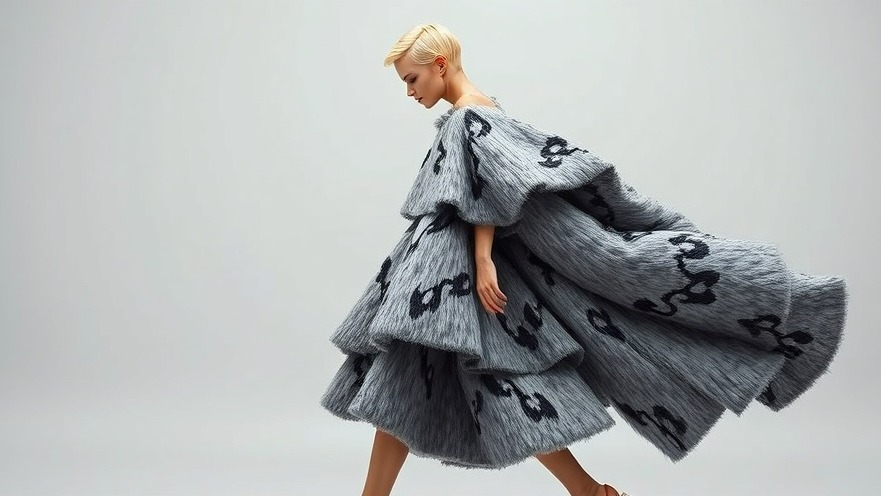
In a groundbreaking fusion of technology, biology, and design, Neri Oxman has unveiled her latest project, titled Vigils. This innovative approach uses bacterial pigment to dye silk fabrics, marking a significant step in sustainable textile production. The project is more than just an artistic endeavor; it challenges conventional ideas about materials and the dyeing process, while offering a glimpse into the future of environmentally friendly practices.

How it Works: The Science Behind Bacterial Dyeing

Oxman’s technique involves spraying a bacterial solution onto 3D-knitted silk textiles, coating them with bacterially sensitive chemicals. Once combined, the solution and chemicals react to create a living culture, which in turn produces vibrant pink and indigo colors. This process relies on the BL21 strain of E. coli, known for its utility in biotechnology research. After 24 hours of growth, the fabric is washed and dried, leaving behind vivid pigments while the bacteria are removed. This method signifies a shift from traditional dyeing practices that often require harmful chemicals and excessive resources.

The Cultural Relevance of Biological Textiles

The Vigils project not only emphasizes innovation, but it also encourages artists and designers to rethink their approach to materials. By integrating biological processes into design, each piece produced reflects its unique creation story, offering a more profound connection between the maker and the material. This lies in stark contrast to mass-produced textiles, where the artistry is often lost in the manufacturing process. As designers are given the tools to manipulate patterns and colors biologically, the traditional garment becomes a canvas of living art.

Environmental Impact: A Step Toward Sustainability?

One of the primary motivations behind Oxman’s research is to question and ultimately reduce the environmental toll of traditional textile dyeing methods. The textile industry is notoriously resource-intensive, often consuming vast amounts of water and chemicals. While the Vigils project is still in its prototype stage and hasn't undergone extensive Life Cycle Assessment, its potential as a sustainable alternative is tantalizing. It promotes an exploration into environmentally friendly practices that could revolutionize how fabrics are designed and produced.

Exploration of New Creative Avenues

Oxman’s work opens up several opportunities for future designers and artists. By understanding the interplay between biology and materiality, they can create unique pieces that wouldn’t be possible through conventional dyeing methods. This exploration into biological color processes not only challenges existing norms, but it also presents a fresh landscape of creative possibilities where the design process is inherently linked with nature.

Precedents and Inspirations: Drawing Links with Other Innovations

The Vigils project is part of a growing trend within the design community that embraces biology as a source for materials and aesthetics. For instance, companies like Colorifix are harnessing bacteria for non-toxic dyeing processes, demonstrating a collective shift towards sustainable practices. Oxman's work echoes these sentiments and speaks to the greater movement towards organic and less resource-intensive design methodologies.

Looking Ahead: The Future of Biological Textile Design

As designers and artists continue to converge upon biotechnology, the future of fabric creation could very well be transformed. The implication of Oxman’s work goes beyond aesthetics; it ventures into the realm of ecological responsibility. As the textile industry faces growing scrutiny for its environmental impact, projects like Vigils may serve as vital alternatives that balance creativity, sustainability, and practicality.

In summary, Neri Oxman’s innovations in bacterial dyeing showcase a perfect example of how art and science can converge to address pressing social and environmental issues. To explore these new horizons in design further, consider engaging with materials that not only reflect creativity but also adhere to sustainable practices. Seek out opportunities that promote education and deeper connections with the world of biological textiles!
Workspaces

0 Comments

Write A Comment

*
*
Please complete the captcha to submit your comment.
Related Posts All Posts
11.12.2026

Discover the New Immigration Hub: A Game-Changer for Digital Nomads

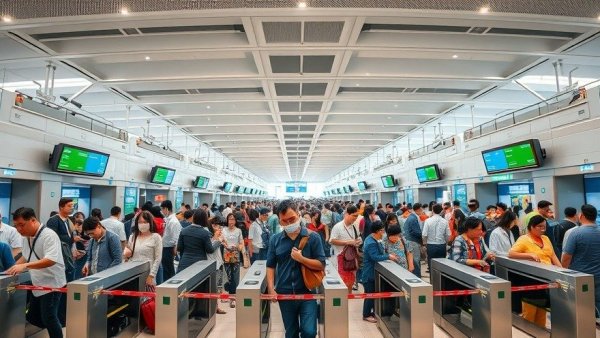
Discover how the Shenzhen immigration hub is reshaping travel efficiency for digital nomads with its ergonomic design and modern amenities.

11.08.2026

Laneway Studio: A New Paradigm for Remote Workspaces and Family Living

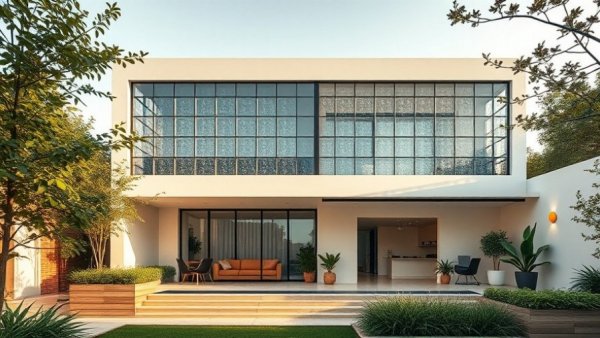
Update Discover the Multi-Purpose Potential of Laneway StudioIn today’s fast-paced world, the need for adaptable spaces has never been greater, particularly for digital nomads who thrive on efficiency and comfort. The newly unveiled Laneway Studio by Olaver presents an innovative solution to the increasingly complex needs of modern family life while also providing inspiration to remote workers seeking optimal workspace designs. Nestled in the garden of a Melbourne home, this architectural marvel stands out with its unique glass-block facade crafted from recycled materials, reflecting both functionality and beauty.A Bright and Versatile SanctuaryDesigned to resemble a “beautiful object,” the Laneway Studio serves multiple purposes for a family of five, addressing their expanding requirements without intruding on precious garden space. Featuring a study/guest room and an open living area, the two-story structure is ideal for remote work and leisure alike. The open layout allows for seamless transitions between indoor and outdoor activities, reflecting the lifestyle desires of today’s professionals. The studio's minimalistic yet inviting design contributes to a calming environment conducive to productivity.Ergonomics Meet Aesthetic DesignAs an ergonomics specialist, I firmly believe in the importance of designing spaces that promote well-being and functionality. The ground floor of the studio is characterized by an open-plan concept that not only boosts spatial flow but also supports the diverse needs of the family. From a central bar area equipped with a stainless-steel sink to a concealed laundry nook, every element is integrated to enhance usability and comfort. This intentional design approach resonates with digital nomads seeking both a productive workspace and an inviting home atmosphere.Natural Light: The Key to Well-BeingThe clever use of glass blocks on the studio's upper floor allows natural light to pour in, creating a bright and airy workspace while preserving privacy. This design choice embodies the ergonomic principles of fostering well-being through light exposure, which can significantly influence mood and productivity. Natural light is crucial for remote workers as it reduces fatigue and increases focus, making the Laneway Studio a quintessential model for those looking to optimize their work environment. The Importance of Flexibility in Home DesignOne notable aspect of the Laneway Studio is its adaptability. As families evolve, their spatial needs change. Olaver’s design cleverly anticipates this, allowing the space to function as more than just a home office. It effortlessly transitions into a guest room or social hub, which can be particularly valuable for digital nomads who may receive visitors or wish to host gatherings. This notion of flexibility in living and working spaces is paramount as it complements the modern lifestyle, allowing for work-life balance and social interaction.Taking the Leap: Embracing Change in Your WorkspaceIn the quest for comfort and efficiency, many digital nomads may feel overwhelmed with choices. However, understanding that your workspace can evolve is vital. Just as Laneway Studio offers a multi-functional environment, consider what your space needs might be now and in the future. Experiment with your arrangements, consider varying the layout of furniture or adding elements such as plants and ergonomic accessories that enhance functionality while promoting well-being.Final Thoughts: Building a Bright FutureOlaver's Laneway Studio showcases the future of home design and multifunctional workspaces, especially for those balancing remote work with family life. By prioritizing natural light, flexibility, and thoughtful design, this project highlights how we can redefine traditional spaces and foster a more productive and enriching lifestyle. As you plan your workspace, remember that comfort, adaptability, and efficiency should always be at the forefront!

11.06.2026

Discover How the Suseong Continuum Gallery Influences Workspace Design for Digital Nomads

Update Envisioning the Future of Art Spaces In a remarkable move that fundamentally reshapes how we engage with art, Büro Ole Scheeren has designed the Suseong Continuum, a distinctive art gallery in Daegu, South Korea, that challenges the traditional boundaries of exhibition spaces. Unlike conventional galleries with enclosed rooms and defined entrances, this innovative structure flows seamlessly, allowing visitors to immerse themselves in art. This notion may particularly resonate with remote workers and digital nomads, who often seek inspiration from innovative workspace designs that foster creativity and productivity. The Concept Behind Continuous Space Büro Ole Scheeren's design philosophy was clear from the outset: a gallery should emulate the fluidity of digital art, which thrives on transitional experiences rather than isolated encounters. "We wanted to create a gallery without traditional thresholds, allowing the visitor's journey through the space to echo the very nature of digital art," Scheeren explained. For digital nomads, this idea reinforces the importance of creating workspaces that encourage a sense of flow, whether by integrating open layouts, natural light, or flexible furniture options that adapt to various tasks. Why Ergonomics Matter in Creative Spaces Understanding ergonomics is crucial for maximizing efficiency, both at home and in creatively-designed galleries like the Suseong Continuum. By incorporating comfortable seating, appropriate lighting, and awareness of sound dynamics into workspaces, digital nomads can significantly enhance their daily experiences. The gallery's architecture exemplifies these principles by featuring smooth transitions from rough, natural textures to polished surfaces, mirroring how an ergonomic workspace should transition from comfort to optimal productivity. These elements are particularly important for remote workers who may spend extended periods at their desks; ensuring that your workspace adapts to your comfort needs can lead to improved focus and creativity. Architecture and Nature: A Co-existing Relationship The Suseong Continuum serves as a vivid representation of the relationship between urban development and nature. The gallery's design reflects how technology can harmoniously coexist with natural elements, challenging the notion that these realms are at odds. For many telecommuters, this design philosophy may inspire them to create more biophilic work environments where nature enhances productivity and well-being. Incorporating plants, natural light, and organic materials can contribute to a balanced workspace, ultimately leading to a healthier work-life integration. Learning from the Suseong Continuum As we consider our own work environments, the Suseong Continuum presents several key takeaways. Creating spaces that avoid cultural and physical thresholds fosters creativity and fluidity. By observing how this gallery's design blurs boundaries—much like how modern workspaces can blur the lines between work and leisure—we can rethink our own environments to enhance creativity, collaboration, and relaxation. Consider elements such as open floor plans or shared community spaces that allow for spontaneous interaction, mirroring the collaborative spirit that grows in an art-centric atmosphere. Final Thoughts for the Digital Nomad As the Suseong International Biennale prepares to showcase this innovative gallery, it opens an opportunity for digital nomads to reflect on the connection between space and experience. Not only does the Suseong Continuum invite viewers into a completely new realm of art, but it also offers profound lessons on how the places where we work can shape our productivity and state of mind. As remote workers, it may be advantageous to consider your own workspace—how can you make it as fluid and welcoming as the Suseong Continuum? Whether through tearing down physical or metaphorical barriers, designing your environment to foster creativity, and ensuring comfort, the lessons from this gallery assist in creating a vibrant workspace that inspires and nurtures creativity. In essence, the Suseong Continuum perfectly encapsulates the evolving nature of art and work in the digital age. It serves as a compelling reminder that our work environments should not only accommodate our tasks but also enrich our experiences, ultimately inviting us to explore new perspectives in every aspect of our lives.

Terms of Service

Privacy Policy

Core Modal Title

Sorry, no results found

You Might Find These Articles Interesting

T
Please Check Your Email
We Will Be Following Up Shortly
*
*
*