cropper
update

{COMPANY_NAME}

Digital Nomad Weekly logo
update
  • Home
  • Categories
    • Productivity
    • Health
    • Packing
    • Food
    • Wellness
    • Workspaces
    • Culture
August 25.2025
3 Minutes Read

Preventing Kidney Stones: Essential Health Tips for Digital Nomads

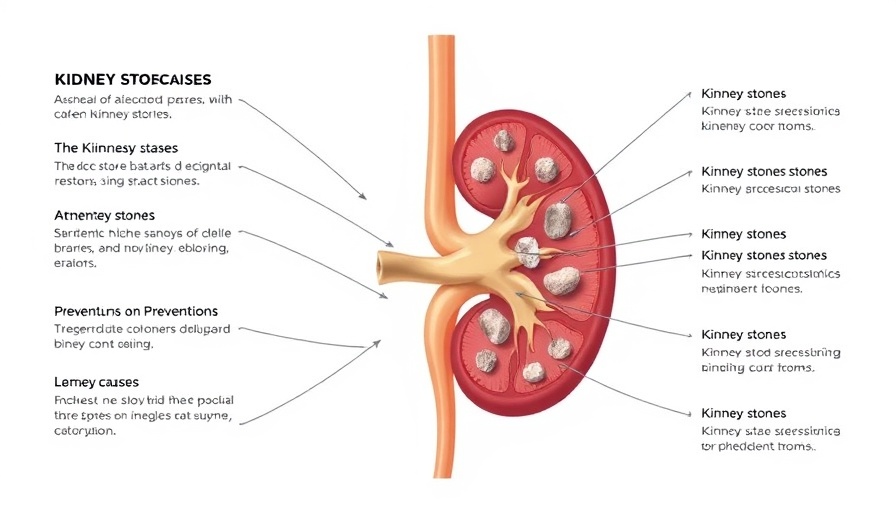
Illustrative kidney diagram showing prevention of kidney stones.

Understanding Kidney Stones: An Increasing Concern for Active Lifestyles

For digital nomads who are constantly on the move, keeping track of health can take a backseat to adventure. However, one health concern that deserves attention is kidney stones. These mineral deposits can cause significant pain and discomfort, and their incidence is rising globally. Knowing how to prevent kidney stones while balancing a life of travel and work is essential.

Navigating Your Diet: A Key Factor

One of the most effective ways to prevent kidney stones is through dietary choices. Maintaining an adequate fluid intake, particularly water, is crucial. Aim for at least 2-3 liters daily to help dilute substances that cause stones. Incorporating a variety of food groups can also play a significant role. A diet rich in fruits and vegetables has been shown to reduce the risk. The citrate found in citrus fruits such as lemons and oranges can inhibit stone formation. As a digital nomad, consider adding lemon juice to your water or snacking on oranges during adventures.

Popular Misconceptions About Kidney Stones

Many believe only high-protein diets lead to kidney stones. However, excessive sodium intake can also elevate the risk. Processed foods, common in many travel diets, are often high in salt. Reducing salt consumption, alongside managing protein levels, can be a protective strategy. Being aware of food labels while grocery shopping abroad can empower you to make healthier choices, ensuring a balanced diet without excess sodium.

Hydration Hacks for On-the-Go

Staying hydrated on the road can be a challenge. If you're traveling in a hot climate or during physical activities, your fluid needs might increase. Pack a reusable water bottle and set reminders on your phone to drink water regularly. Herbal teas and flavored water are excellent alternatives if plain water gets monotonous. Staying hydrated not only aids in kidney stone prevention but also boosts your overall energy levels, keeping you productive during work hours.

Supplements or Medications: When to Consider

If you have a history of kidney stones, consulting a healthcare professional while traveling is advisable. They may recommend specific supplements to manage your risk effectively. For instance, magnesium can help inhibit stone formation. However, over-the-counter medications should not replace healthy dietary practices. Always discuss with a healthcare provider before starting any new supplement on the road, especially in foreign regions where access to medical advice may vary.

Balancing Fitness, Eating, and Healthcare

Digital nomads often juggle numerous responsibilities, from client meetings to exploring new cultures. Incorporating health practices into your routine can seem daunting, but it doesn’t have to be. Set aside time daily for simple stretches or a brisk walk, both of which can help improve overall health and promote the body's well-being. A strong commitment to maintaining balance will not only help prevent kidney stones but enhance your traveling experience.

Looking Ahead: Long-Term Health Strategies

By adopting these preventive measures, you can significantly reduce the risk of kidney stones. Remember, early detection is key—if you experience any symptoms such as severe pain or difficulty urinating, seek medical attention promptly. Engaging in regular health check-ups, even while traveling, can help you stay proactive about your well-being.

Maintaining your health as a digital nomad involves careful planning and lifestyle choices. Use the insights gained from this article to prioritize your well-being on the go. It's essential to balance adventures with adequate hydration and nutrition. Taking small, actionable steps can lead to significant impacts on your overall health.

Explore more wellness tips tailored for your dynamic lifestyle today! Join online forums or communities dedicated to digital nomad health. Share your experiences and learn from others.

Health

0 Comments

Write A Comment

*
*
Please complete the captcha to submit your comment.
Related Posts All Posts
07.25.2026

Navigating Life After a Natural Disaster: Strategies for Teens

Explore vital coping strategies for teens navigating life after a natural disaster, focusing on community support and emotional recovery.

07.25.2026

Stay Healthy Abroad: Exploring Stroke Prevention and Care

Explore clinical trials focused on stroke research, prevention strategies, and tips for staying healthy while traveling.

07.24.2026

Essential Insights on Group A Strep Infection for Digital Nomads

Update Understanding Group A Strep: Your Essential Guide to Infections As a digital nomad, staying healthy is vital to enjoying your travels and experiences abroad. One infectious agent that you should be aware of is Group A Streptococcus (group A strep), a type of bacteria that can lead to a range of infections, from minor illnesses to serious health risks. Knowing the basics about these bacteria can be essential for maintaining your well-being while navigating unknown locales. The Spectrum of Group A Strep Infections Group A strep infections can manifest in various forms. Minor infections commonly include strep throat, impetigo, and scarlet fever. These conditions are generally mild but can still cause disruptions in your travel plans, making it important to be vigilant about symptoms, especially when you are constantly on the move. On the other end of the spectrum, more serious ailments linked to group A strep include cellulitis, necrotizing fasciitis, and streptococcal toxic shock syndrome. Understanding these serious infections is crucial as they can rapidly affect health, potentially leading to emergency situations while abroad. Inflammatory Conditions Linked to Strep Moreover, group A strep infections can trigger long-term health issues such as post-streptococcal glomerulonephritis and rheumatic fever. Both stem from the body’s immune response attempting to counteract the bacteria but mistakenly attacking healthy tissues, leading to serious complications. If you experience symptoms that could hint at past infections, consulting a healthcare provider promptly is essential for ongoing health. Who’s at Risk? Identifying Vulnerable Groups A variety of factors can increase your risk of contracting serious group A strep infections. Chronic conditions such as heart disease, diabetes, or lung disease raise the stakes, as does a compromised immune system. Likewise, certain populations, including older adults and American Indian or Alaska Native individuals, see higher prevalence rates, underscoring the need for awareness and precaution. If you find yourself traveling to areas where the virus may be prevalent, or during outbreaks, consider your overall health status and any risk factors that could impair your immune defenses. How Group A Strep Spreads: Essential Knowledge for Travelers Knowing how group A strep spreads is vital for prevention. The bacteria can spread through respiratory droplets via coughing, sneezing, or speaking, making crowded places or close quarters particularly risky. Additionally, skin contact with sores can also transmit the bacteria, presenting a challenge in social environments. The bacteria thrive in the nose and throat, and asymptomatic individuals can still spread the infection unknowingly. Therefore, maintaining good hygiene practices, such as handwashing and avoiding sharing personal items, is paramount in safeguarding your health. Preventative Measures: Tips for Staying Healthy Abroad Given the highly contagious nature of group A strep, practicing preventative measures is key. These include: Minimizing exposure when possible, especially if others around you are symptomatic or ill. Treating symptoms promptly – if you suspect an infection, don’t hesitate to seek medical advice. Utilizing antibiotics when recommended, as they can significantly reduce the duration and severity of symptoms. Additionally, vaccinations and maintaining a robust immune system through a balanced diet and regular exercise can help decrease your risk of contracting infections. Emotional Well-Being: The Importance of Knowledge Being informed about bacteria like group A strep fosters a sense of agency and preparedness. The concept of health extends beyond physical wellness; mental clarity and emotional balance play a significant role when navigating healthcare while traveling. Being proactive in educational endeavors regarding health risks allows you to avoid undue stress and focus on enjoying the cultural richness of your surroundings. Conclusion: Take Charge of Your Health Familiarizing yourself with group A strep infections equips you with knowledge that can help you manage your health effectively. Awareness of the symptoms, understanding communication pathways, and taking precautionary steps can all work together to protect you while you explore the world. Remember, a well-informed traveler is often a healthier traveler, so always prioritize your health on your journeys! Stay informed and connected to health resources relevant to your travels to ensure you can enjoy every moment of your adventures!

Terms of Service

Privacy Policy

Core Modal Title

Sorry, no results found

You Might Find These Articles Interesting

T
Please Check Your Email
We Will Be Following Up Shortly
*
*
*