 Add Row
  Add
Add 


Transforming Waste into Building Materials: The Future of Architecture
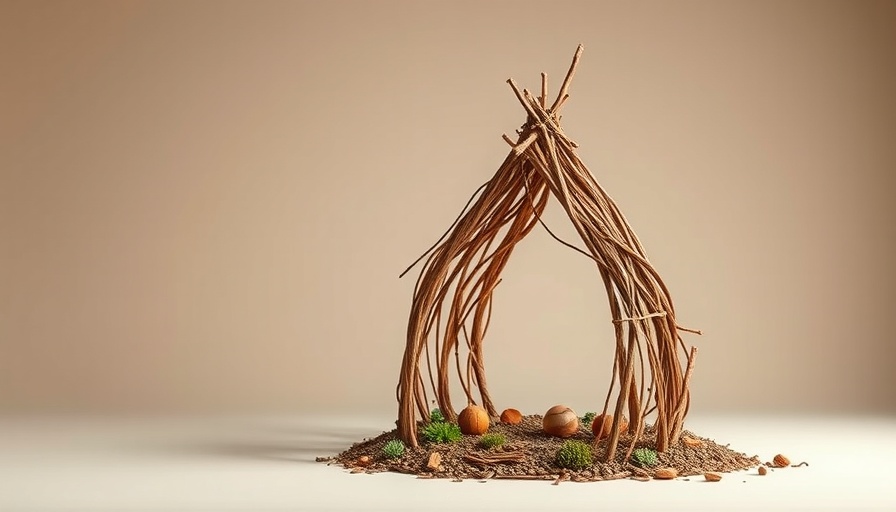
Paludiculture is emerging as a revolutionary approach to sustainable building, and the recent exhibition at the Norwich University of the Arts has showcased ten innovative student experiments that leverage this concept. With a focus on using natural materials like reed fibres, eggshells, and textile waste, these projects are not just artistic experiments; they represent a proactive stance in architecture to combat climate change.
Understanding Paludiculture: A Closer Look
Paludiculture refers to the cultivation of wetland plants to produce various products, including bio-based materials for construction. This practice is particularly relevant in today’s context, where sustainability is paramount. Master’s students from Norwich University explored ways to utilize materials that would otherwise contribute to environmental damage, demonstrating that architectural innovation can harmonize with nature.
Innovative Projects That Capture Attention
Among the projects featured, Jacob Cherry’s composite material made from phalaris arundinacea and corn demonstrates significant architectural potential. These materials, when combined, create durable, sustainable building components such as bricks and panels. This approach not only reduces waste but also paves the way for future advancements in construction.
Similarly, Theo Galvin’s Fibre-Fabrick prototypes highlight the possibilities of integrating textile waste with paludi-fibre, transforming discarded clothing into valuable construction materials. As a testament to the innovative spirit of these students, these projects exemplify how various disciplines can unite for a greater environmental purpose.
The Call for Action: Sustainable Architecture
The exhibition, titled FibreBroads: Cultivating Sustainable Futures, served as more than a display of artistic skill. It was a call to action for architects and builders to rethink the materials used in construction. By advocating for bio-based solutions, the students emphasize the importance of sustainable architecture and its critical role in addressing climate concerns.
The Importance of Design in Modern Workspaces
For digital nomads seeking to create productive remote workspaces, understanding sustainable materials can enhance your environmental responsibility. By considering ergonomics in design, incorporating natural materials like those explored in Norwich’s exhibition can lead to healthier working environments. A well-designed workspace not only improves comfort but also increases productivity, making it essential for anyone working remotely.
Future Insights: The Role of Biomaterials in Remote Work
As we shift towards a more sustainable future, adopting biomaterials in our workspaces can revolutionize the way we conceive working environments. Imagine a desk made from composite materials that not only looks good but is also eco-friendly. This transition could lead to a new class of ergonomic workspaces that support both health and productivity.
Final Thoughts: Be Part of the Change
Considering the intersection of architecture, ergonomics, and sustainability is crucial for both personal workspaces and broader architectural practices. The exciting projects emerging from Norwich University of the Arts inspire all of us to think creatively about materials and their applications in everyday life. Adopt these principles in your remote workspace design to contribute to a healthier, more sustainable world.
As we rethink our workspaces with an eye for sustainability, consider visiting exhibitions like the one at Norwich or engaging in local initiatives that support eco-friendly practices in architecture. It’s time to embrace innovation and responsibility in our work environments!


Write A Comment