


The Origins of Black Friday: A Surprising Historical Journey
While most people associate Black Friday with the chaos of sales and shopping, the term’s origin is more multifaceted than we typically realize. It dates back to the Panic of 1869, when speculation caused a dramatic collapse of the gold market, crippling the economy. However, the modern sense of Black Friday, linking it to consumerism, began to emerge in the 1950s.
Transforming into a Shopping Phenomenon
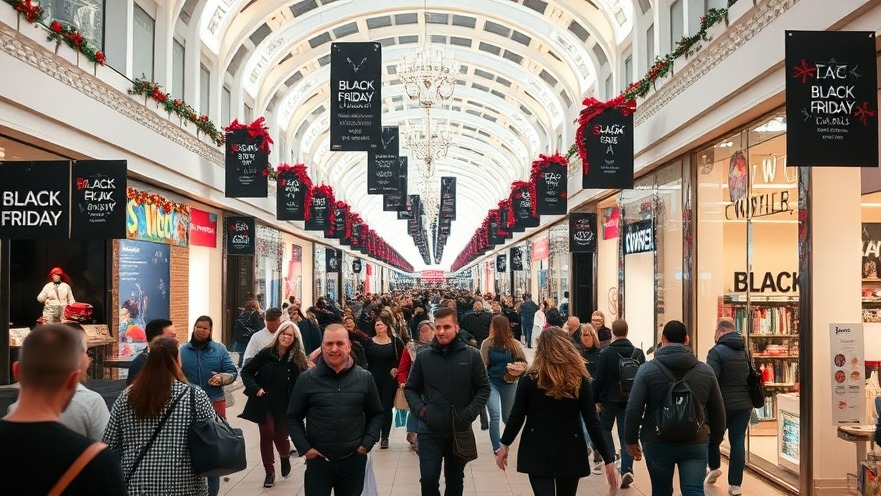
The phrase "Black Friday" first appeared in print in 1951, describing the day after Thanksgiving as one where employees took a day off, leading to dropped productivity. But it was the police in major cities like Philadelphia who began coining the term to describe the overwhelming shopping crowds. After gaining traction through national media in the 1970s, the term became synonymous with the holiday shopping season.
Cultural Impact: Black Friday Evolves
Today, Black Friday isn’t merely a single day anymore. Many retailers begin their sales weeks in advance, resulting in an entire shopping season that now stretches far beyond the original intentions. Major retailers have capitalized on this trend, with pre-Black Friday deals starting as early as mid-November. From in-store traffic to online shopping, understanding this cultural shift is essential for today’s remote worker who needs to navigate consumption carefully.
Profit and the Myth of the “Black” in Black Friday
Interestingly, the term "black" was thought to symbolize retailers moving from red ink (loss) to black ink (profit) by the end of the year. However, this narrative has faced scrutiny. Retailers are often profitable all year long, with the last quarter simply amplifying gains. Furthermore, many people wish to reconsider the negative connotations associated with a day labeled "black," prompting past proposals for alternatives like "Big Friday," which never gained popularity.
The Shift to Thanksgiving Sales: A Double-edged Sword
In recent years, an increasing number of retailers have opted to begin sales on Thanksgiving Day itself, aiming to maximize customer spending. While this expansion provides convenience for consumers, it raises ethical questions about the exploitation of family holiday time for profit. This tug-of-war between convenience and values presents a unique challenge for digital nomads who prioritize a work-life balance.
Consumer Awareness: The Power of Informed Shopping
As we navigate this complex landscape of holiday shopping, it’s crucial to approach Black Friday and its associated sales with discernment. It’s easy to get swept up in the excitement, yet understanding trends and historical context can help digital nomads make financially savvy and time-efficient decisions. Here are a few quick tips to keep in mind:
Set a budget beforehand to avoid impulse purchases.
Create a prioritized shopping list to streamline your experience.
Take advantage of price comparison tools and apps to avoid overspending.
Looking Forward: What the Future Holds
Although Black Friday continues to expand, its impact evolves with changing consumer engagement. The rise of e-commerce and social media has made it easier for customers to access deals without getting into physical store chaos. Future Black Fridays may center more around digital innovation, making this historical shopping event not just a challenge, but an avenue for productivity and smart shopping approaches.
In conclusion, understanding the nuanced history of Black Friday serves as a reminder for us to approach this day of consumerism with awareness and strategy. Whether working from home or on the go, smart shopping will allow digital nomads to balance work and life seamlessly.




Write A Comment