Add Row
Add Element
cropper
update

{COMPANY_NAME}

Digital Nomad Weekly logo
update
Add Element
  • Home
  • Categories
    • Productivity
    • Health
    • Packing
    • Food
    • Wellness
    • Workspaces
    • Culture
July 25.2025
3 Minutes Read

Unveiling the Rich Connection Between Lei and Hawaiian Food Traditions

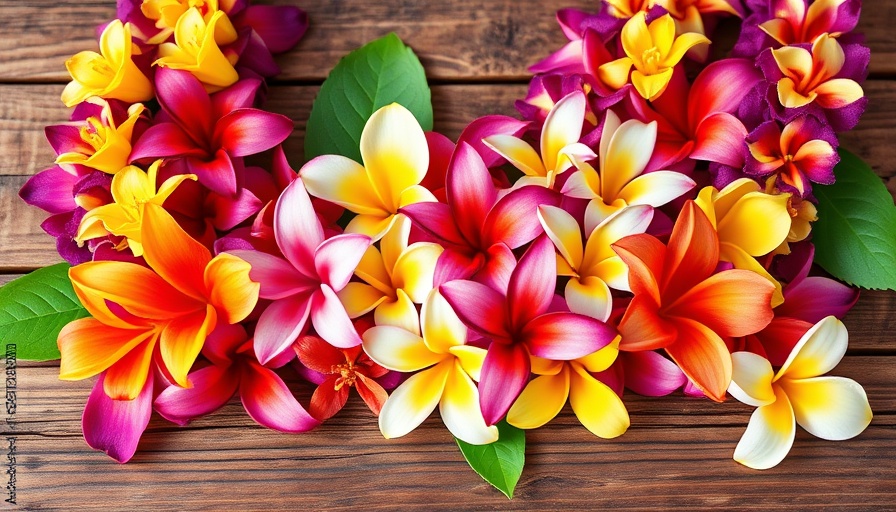
Colorful leis showcasing Hawaiian food traditions and lei connection.

The Deep Roots of Hawaiian Lei and Food Traditions

More than mere adornments, Hawaiian lei encapsulate a rich cultural heritage that connects Native Hawaiians to their ancestors, land, and food traditions. For the Kanaka Maoli, the significance of lei transcends beauty; they represent the essence of being rooted in ‘āina, or land, and intertwined with their unique foodways. This connection is particularly poignant amid the challenges posed by modern agricultural practices, which threaten the very plants and traditions that have sustained Hawaiian culture for centuries.

Understanding the Cultural Importance of Lei

Every Hawaiian island boasts its own distinct forms of lei, often tailored to the indigenous flora that defines the landscape. Evolving through oral traditions, these garlands serve not only as symbols of beauty but also as representations of the islands' unique culinary histories. For instance, the lei hala of Ni'ihau is traditionally made from pandanus and signifies moments of transition, reflecting the island’s arid conditions and the cultural ties to love and relationships. Kaua’i’s pua mokihana, an aromatic flower, has become increasingly rare—a reminder of the fragility of native species in Hawaii's ecosystems.

Revitalization Efforts Amidst Agricultural Changes

The agricultural landscape of Hawaii has drastically changed due to industrial farming, notably sugar cane and pineapple monoculture, leading to food deserts and the decline of endemic plants. However, a new wave of lei, medicinal, and hula practitioners is working tirelessly to revitalize native species. By delving into their ancestral knowledge and promoting methods of sustainable harvesting, these practitioners are nurturing both the land and communal ties. Engaging in lei-making workshops and planting initiatives throughout public and private spaces showcases an inspiring return to Hawaiian herbal traditions.

The Sensory Connection: Fragrance, Taste, and Memory

Sensory experiences play a crucial role in the cultural matrix of Hawaii. The scents of lei made from aromatic flowers evoke memories and a sense of place, linking individuals to their heritage. The fragrant blossoms utilize a combination of culinary herbs and medicinal plants, such as ‘ilima from O'ahu or the highly prized limu līpoa ‘o Kalehuawehe, which serves as both a lei and a nourishing food for chiefs, embodying the resistance against cultural erasure. Understanding these intertwining senses—the sweetness of a flower's scent, the taste of a traditional dish—builds appreciation among digital nomads for the uniqueness of Hawaiian culture.

Hawaiian Food Culture and Its Global Resonance

In an era of globalization, Hawaiian food traditions present a unique perspective on culinary sustainability and heritage. As many digital nomads explore the food culture around the world, immersing themselves in local practices, Hawaii’s approach of intertwining spirituality, agriculture, and community sets an example worth emulating. The revival of local flavors and the consumption of native plants foster connections not only among residents but also with visitors seeking authenticity. When tasting a plate of poi or a dish prepared with local ingredients, the flavors reflect a history steeped in resilience and knowledge.

Exploring Local Cuisine: Become a Part of the Story

Travelers drawn to Hawaii have the opportunity to not just experience its culinary offerings but also to contribute to the preservation of these practices. By engaging in local classes that focus on traditional lei-making, farming practices, or even participating in community gatherings centered around local food, digital nomads can forge connections to a culture that thrives on storytelling and sustainability. This involvement not only enriches their experience but also supports efforts to keep these invaluable traditions alive.

Reflecting and Activating Change

The connection between lei and food traditions embodies a profound means of expressing identity and cultural values in Hawaii. Understanding this relationship goes beyond aesthetics; it is about acknowledging the wisdom of the land and fostering respect for nature. As more individuals become aware of these traditions, it is imperative to support local practices that safeguard the cultural and ecological heritage of Hawaii. Together, we can work towards a future that honors the intricate tapestry of Hawaiian identity while nourishing both people and the planet.

Food

Write A Comment

*
*
Related Posts All Posts
12.08.2025

Is Delta Comfort Plus Worth It for Digital Nomads? Discover the Benefits

Explore the Delta Comfort Plus Review and uncover if this extra legroom upgrade is worth it for digital nomads and travelers seeking comfort during flights!

12.07.2025

Michelin's New Grape Awards: A Game-Changer for Wine Producers

Update A Toast to a New Era in Wine RecognitionIn a pivotal expansion of its gastronomic expertise, Michelin has unveiled the "Grape" Awards, a new distinction for wine producers that aims to highlight excellence in the vineyard. This marks a significant broadening of Michelin's celebrated legacy, which has long centered around restaurants and hotels. The Grape Awards will recognize outstanding wine estates with a tiered grading system of one, two, or three grapes, with the inaugural awards set to be announced in 2026, beginning with the illustrious regions of Burgundy and Bordeaux.Why Grapes Matter: A New Benchmark for QualityWine is not just a beverage; it’s a cultural artifact that tells stories of the land, the climate, the vine varieties, and the techniques used to transform grapes into a glorious product. The introduction of the Grape Awards aligns with Michelin's goal to provide wine lovers with a trusted reference point when exploring the intricacies of wine production. As Gwendal Poullennec, International Director for the MICHELIN Guide, stated, this venture is designed for both curious amateurs and seasoned experts. The five evaluation criteria—quality of agronomy, technical mastery, identity, balance, and consistency—ensure that the assessments honor the artistry involved in winemaking.A Closer Look at the Criteria for ExcellenceThe Grape Awards will utilize a rigorous evaluation process that focuses on essential aspects of winemaking:Quality of Agronomy: Assessing the health of the soil and care of the vines, which directly influences the quality of the wine.Technical Mastery: Focusing on the skills in the production process, ensuring that wines reflect their terroir with precision.Identity: Highlighting wines that reflect the cultural essence and personality of their regions.Balance: Evaluating the harmony of components like acidity and tannins.Consistency: Ensuring producers maintain high standards across various vintages.This structured approach not only elevates the craft of winemaking but also bridges the gap between enthusiasts and producers.The Implications for Winemakers and Wine LoversWith the 2026 launch date approaching, wine producers in prestigious regions like Burgundy and Bordeaux are preparing for an opportunity to gain international recognition. The potential for these awards to influence consumer choices cannot be understated. Wine lovers will find a new layer of authenticity and assurance in the Grape Awards, as they offer a reliable guide through the vast and complex world of wine.The Cultural Significance of Wine in GastronomyAs the Michelin Guide expands its footprint into the wine sector, it echoes a broader trend in the culinary world, where food and beverage experiences are increasingly intertwined. The acknowledgment of wine producers through the Grape Awards signifies a deeper respect for the craft accompanying gastronomic endeavors. It enhances the overall dining experience by recognizing not only the chefs and restaurants but also the passionate individuals stewarding vineyards.Looking Forward: What This Means for Digital NomadsFor the growing community of digital nomads exploring global food cultures, the Grape Awards represent an exciting new dimension in culinary tourism. As these travelers seek authentic experiences that resonate with local traditions, the recognition offered by Michelin will guide them to vineyards producing top-tier wines. This can enhance their culinary journeys, allowing them to appreciate the complexities of each region's wine tourism offerings.As we anticipate the first selections of the MICHELIN Grapes, it promises to be an exhilarating time for both producers and wine enthusiasts. The rewards coming to those in the industry signal a bright future, where the beauty of wine is honored alongside the artistry of gastronomy.

12.07.2025

Discover How Cannabis Lifestyle Boutiques Are Transforming Culture

Cannabis Lifestyle Boutiques are redefining consumption through community engagement and gourmet offerings. Discover the exciting changes in cannabis culture.

Terms of Service

Privacy Policy

Core Modal Title

Sorry, no results found

You Might Find These Articles Interesting

T
Please Check Your Email
We Will Be Following Up Shortly
*
*
*