


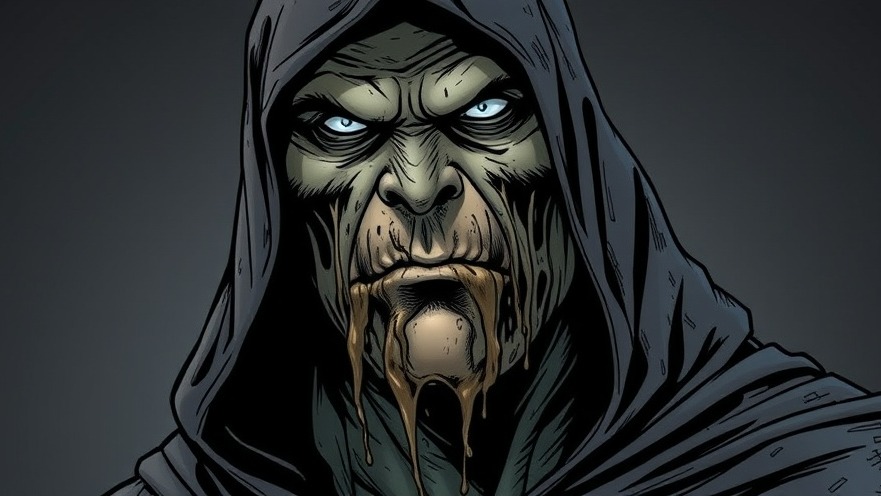
The Descent of DC: Analyzing the Challenges of the Latest Clayface Film
The latest title to emerge from DC Studios' arsenal is Clayface, an attempt to forge new territory with a villain-centric narrative. Yet, in a post-COVID world where superhero fatigue is palpable, this film falls into a troubling cycle of mediocrity. With Liverpool posing as a stand-in for Gotham City, the film's aesthetic fails to convince, bringing forth a distinctive ‘B-movie’ vibe that doesn’t quite resonate with audiences hungry for quality storytelling.
A Closer Look at Audience Expectations
With Marvel's recently soaring successes, particularly with their blockbuster Spider-Man franchise, expectations for DC films have drastically shifted. As audiences compare the cinematic worlds of these competing storytellers, the clash becomes apparent. Historically, DC's heavyweights like Joker have set a benchmark, showcasing an ability to not only portray villains but also capture rich narratives that foster critical discussion. Clayface, with its apparent attempt at horror, struggles where predecessors have thrived, failing to uphold the storytelling promise it seems to advertise.
Lessons from Success: What Clayface Gets Wrong
Unlike Joker, which managed to carve a niche with low-budget yet impactful storytelling, Clayface seems to undersell itself. The original vision reportedly penned by Mike Flanagan was rewritten, and while changes in direction can often breathe new life into a film, here they appear to have led to a lost opportunity. The narrative lacks depth; critics note that while it’s visually grotesque, it lacks the emotional weight that engages viewers on a nuanced level.
Historical Context: The Rise and Fall of Superhero Films
The superhero movie genre has experienced dramatic fluctuations over the last decade. Following the massive success of The Avengers franchise, superhero films saw an influx of titles. However, as audiences navigated the pandemic period, a certain level of fatigue became inevitable. Consider how titles such as Supergirl and Black Adam fell flat at the box office, resulting in an anticipated sense of loss and desperation within the DC ranks. Clayface adds another entry in a growing list of disappointments, seemingly unable to break the cycle of underwhelming releases.
The Significance of Setting and Design
While some viewers enjoy the visceral thrill of body horror depicted in Clayface, visually it projects a sense of inconsistency. Rather than the emotive and detailed filmmaking seen in top-tier productions, critics highlight how the film's production quality resembles that of a network TV series. As independent cinematography pushes boundaries with micro-budget films establishing rich atmospheres, the lack of a confident directorial vision for Clayface serves as a stark reminder of the raised bar that must be met, especially in a world filled with compelling indie narratives.
Future Predictions: The Path Forward for DC
Looking ahead, it's vital for DC movies to reconnect with their audiences and adapt to the landscape of cinematic storytelling. If the goal is to innovate, then understanding the core emotional threads that tie audiences to their narratives will be paramount. The success of films moving forward may hinge not on grandeur but on humanity and authenticity. Seeking to present villains more deeply and thoughtfully might just reignite interest that has waned in recent years.
Conclusion: A Call for Thoughtful Storytelling
As we assess the shortcomings of Clayface, it becomes clear that audiences crave connection and substance—a call to action for studios to pivot back to crafting relatable narratives. Instead of catering to market trends through formulaic productions, a resurgence of character-driven storytelling will likely resonate with contemporary viewers. DC has a rich history of engaging stories; tapping into that cultural heritage with innovative visions could pave the way for revitalized interest in this cinematic world.



Write A Comment