


Comedy Meets Politics: The Power of Late Night Satire
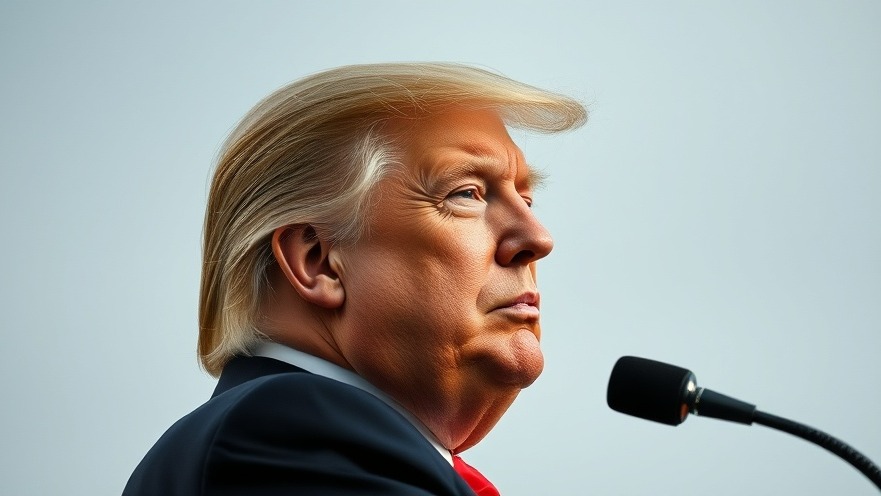
In the realm of political discourse, few platforms wield the biting humor and cultural relevance of late-night television. Jimmy Kimmel and Seth Meyers, among others, have established themselves as critical observers, shedding light on political absurdities. Their recent critiques of former president Donald Trump’s accusations of Democratic corruption exemplify how humor can serve as both entertainment and a vehicle for political reflection.
Trump and His Commandments: The Irony of Corruption Claims
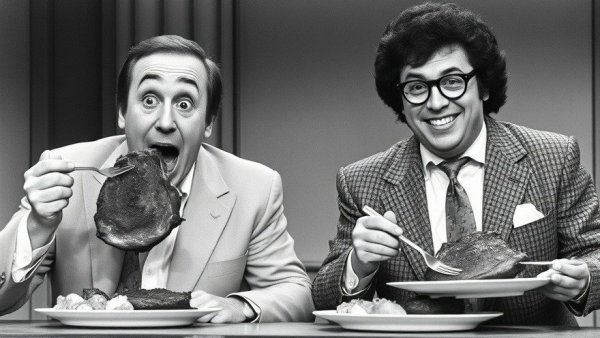
Kimmel’s remark that “Trump telling you to root out corruption is like Colonel Sanders telling you to root out cholesterol” highlights the irony in Trump’s claims. This juxtaposition not only invites laughter but provokes critical thought about the authenticity of those in power. If the messenger is himself mired in controversy, as Kimmel suggests, can the message truly resonate? Such comedic jabs challenge viewers to scrutinize the actions and integrity of leaders.
Defeats and Denials: Trump's Post-Election Narrative
Post-election commentary from the late-night hosts reveals a stark contrast between the political realities faced by Democrats and Trump’s denial of their success. With Democrats gaining significant seats in both houses of Congress, Meyers underscored the absurdity of Trump’s attempts to divert attention through baseless accusations. This reflects a broader trend where politicians, facing defeats, redirect narratives to stave off accountability.
Historical Context: The Role of Satire in American Politics
The tradition of using humor to critique political figures dates back to early American history. Figures like Mark Twain utilized satire to expose societal flaws, paving the way for modern comedians. By channeling comedic and critical narratives, hosts like Kimmel and Meyers contribute to a rich lineage of political satire, prompting audiences to re-evaluate their perceptions of leadership and governance.
The Cultural Significance of Impeachments in Recent History
The impeachment attempts from the GOP against Democrats, as pointed out by both Kimmel and Meyers, reveal the cyclical nature of political power play. Reflecting on past impeachments, one wonders whether such actions are genuinely rooted in principles or merely a means to gain political leverage. The hilarity of the situation lies not only in the overt absurdity but also in the implications: what does this say about the state of American politics?
Humor as a Tool for Political Engagement
The effectiveness of late-night comedy in addressing serious political issues highlights its potential as an engagement tool. Many viewers tune in not only for laughter but to remain informed about the political landscape. By packaging commentary in humor, hosts create a space where complex subjects become accessible, enabling informed public dialogue that transcends traditional news formats.
Empowering the Audience: Responsibility of Knowing
As digital nomads who travel and explore various cultures, understanding the political dynamics of a place fosters meaningful connection and engagement with local communities. The insights provided by late-night comedians underline a crucial reality: being informed allows one to navigate discussions and interactions with greater depth. It empowers individuals to challenge norms and engage constructively.
This week’s satirical discussions serve as a key reminder of the importance of critical thinking and humor in understanding political climates. Engaging with news doesn’t have to be dull or overly serious; rather, late-night comedic perspectives invite the audience to laugh while reflecting on the practices and policies that shape our societies.
As political narratives evolve, let’s embrace the lessons these late-night hosts bring to the forefront. Stay informed, remain critical, and don’t shy away from using humor as a lens to view complexity.



Write A Comment