


Exploring the Aesthetics of Work: Tatiana Bilbao’s Rammed-Earth Installation
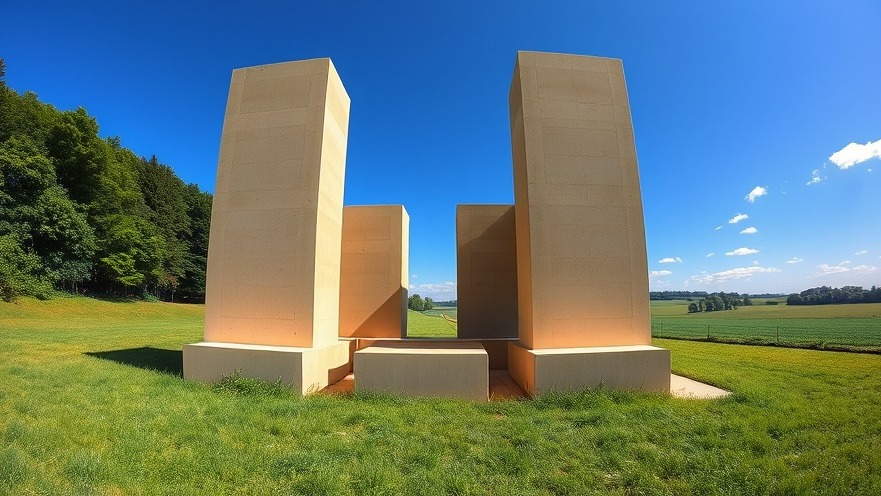
When architecture speaks to its environment, it transcends functionality to become a living part of a landscape. This principle comes to life in Tatiana Bilbao Estudio's recent outdoor installation at Art Omi, an arts center nestled in the scenic Hudson Valley region of New York. The installation, aptly named Borrowed Earth, consists of four striking rammed-earth cruciform crosses that not only serve as eye-catching sculptures but also interact meaningfully with the idea of space and place.
Rammed Earth: A Material Journey
At its core, the installation utilizes rammed earth—a time-tested building method that employs compacted soil to create sustainable structures. The soil for this installation was harvested locally, emphasizing the connection between the artwork and its setting. Art Omi curator Julia van den Hout noted the challenges inherent in using rammed earth, particularly during construction. Yet, those very challenges sparked creativity, leading to a design that resonates with modernist shapes while embracing the natural degradation processes of its materials.
The Decay As A Design Feature
One of the most fascinating aspects of the Borrowed Earth installation is its intended decay. Scheduled to erode over approximately two years, this is an experiment in temporality. Van den Hout explains, "We don’t quite know how fast it’s going to go," highlighting the unique nature of art that is designed to change. This aspect could serve as an inspiration for digital nomads—reminding them of the transient nature of workspaces, particularly in rapidly evolving environments.
Creating Comfortable and Efficient Remote Workspaces
As remote work becomes increasingly common, the principles observed in Bilbao’s installation can offer valuable lessons to digital nomads. Much like the Borrowed Earth installation, which prioritizes comfort and stability, creating an effective workspace requires attention to both your mental and physical environment. Integrating comfortable seating and ergonomic design can foster creativity and productivity, just as natural materials in art resonate with their surroundings.
Actionable Insights for Your Workspace
1. **Choose Natural Materials:** Like the rammed earth used in the installation, utilizing sustainable and pleasant materials in your workspace can improve airflow and aesthetics, making for a calming environment.
2. **Embrace Change:** Borrowed Earth confronts the inevitable changes in structure and form. Similarly, adopt a flexible workspace that adapts to your various project needs, whether through modular furniture or moveable designs.
3. **Foster Social Connection:** Taking a cue from the communal aspect of art installations, incorporating areas for connection or collaboration in home offices can enhance productivity and job satisfaction.
Feeling the Space: Emotional Connections
Lastly, the tactile experience of Bilbao’s work speaks to a broader idea of how our environments affect our feelings and creativity. Tactile experiences can play a vital role in workspace design as well. By incorporating texture, lighting, and color into your workspace, you can create an environment that stimulates creativity and keeps you grounded.
As Tatiana Bilbao Estudio’s Borrowed Earth installation gradually changes, it serves as a reminder of the beauty of impermanence and the importance of design that adapts to its surroundings. For digital nomads and anyone seeking to create effective workspaces, consider the lessons learned from this installation: prioritize comfort, foster connections, and embrace change as fundamental aspects of your design.
Ready to enhance your remote workspace and make it a reflection of both your personal style and ergonomic needs? Dive deeper into design strategies that will uplift your everyday work life. Create a space that not only serves your professional needs but also inspires your creativity.


Write A Comment