


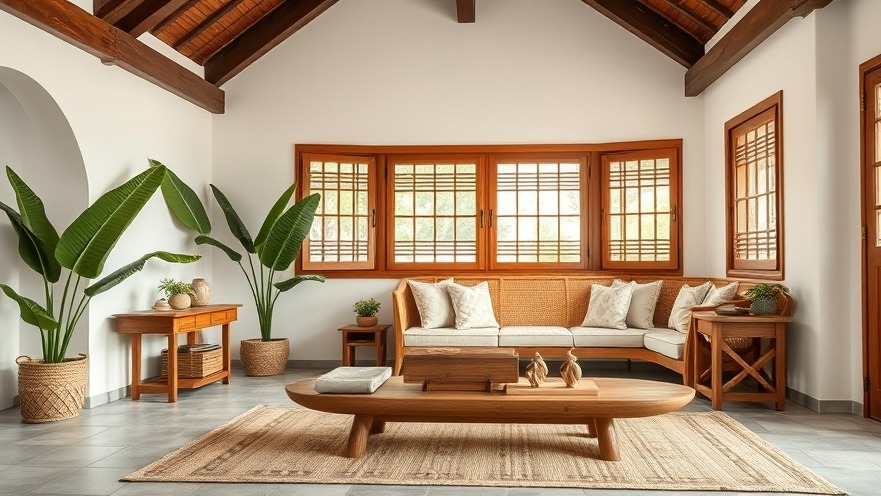
Envisioning Harmony with Nature
Designers often grapple with the challenge of blending buildings into their natural surroundings. This is particularly vital for homes like "Interstitial Living" in Kerala, India, designed by Fictional Project. As digital nomads, who frequently work from diverse locations, cultivating a serene work setting from home can be mirrored in how the architecture interacts with its environment, creating a workspace that enhances productivity and well-being.
A Home Designed for Connection
Fictional Project crafted this residence for a family of four, focusing on integration with the lush, verdant landscape. With two small gardens—one on each side—this architectural design promotes outdoor engagement, offering residents refreshing views while working from home. By incorporating ergonomic principles, homeowners can enjoy spaces that not only enhance aesthetics but also foster a healthy work-life balance.
Creating a Fluid Indoor Environment
The home's dynamic, sweeping ceilings play a pivotal role in establishing this connection. As the curves of the ceilings mimic the natural elements outside, they create a softness to the home’s interior. This interconnected flow encourages an airier feeling, which can prove beneficial for remote work. An environment that mimics nature can lead to reduced stress and improved cognitive function, vital elements for productivity when working remotely.
Strategically Placed Spaces
Inside, the thoughtful layout includes spaces for both cooking and leisure, as the design carefully negotiates between private and communal areas. The kitchen, perched over the eastern garden, is designed to inspire creativity—a crucial ingredient for digital nomads seeking culinary escapism during work breaks.
Similarly, the spacious living room, open to the west-facing yard through expansive windows, is not just a relaxing area but also serves as a natural workspace. By maximizing daylight and incorporating indoor plants, the residents can experience an uplifting atmosphere, enhancing both focus and productivity throughout the day.
The Psychological Benefits of Natural Interaction
Research indicates that homes with close kinship to nature contribute significantly to mental well-being. As digital nomads are often challenged by feelings of isolation, having a workspace surrounded by nature's beauty can reduce stress, anxiety, and even fatigue. This home’s garden views remind inhabitants of the world beyond their work, reinforcing a vital connection to the outdoors.
Tips for Creating a Productive Home Workspace
Inspired by the design principles of "Interstitial Living," here are some ergonomic tips to create comfortable remote workspaces:
Utilize Natural Light: Position your workspace near windows to benefit from natural light, reducing eye strain and improving your mood.
Incorporate Nature: Include plants in your work area to enhance air quality and introduce a sense of calm.
Dynamic Spaces: Arrange furniture for flexibility, allowing you to transform your environment according to your day's tasks—be it collaboration or focused work.
Comfort is Key: Invest in an ergonomic chair and desk to support your posture during long hours of work.
Create Outdoor Connections: If possible, design your workspace to connect with outdoor areas. Even a small balcony or a window view can make a significant difference.
Your Path Towards Harmonious Workspaces
As the world grows more connected through remote work, it’s essential to craft spaces that support emotional and mental wellness. The design of "Interstitial Living" not only exemplifies an architectural triumph but also serves as a testament to the importance of connecting with nature, which directly influences the productivity and well-being of those who call it home. So as you adapt your own workspace, think about how you can bring elements of your surroundings into your living spaces.

Write A Comment