cropper
update

{COMPANY_NAME}

Digital Nomad Weekly logo
update
  • Home
  • Categories
    • Productivity
    • Health
    • Packing
    • Food
    • Wellness
    • Workspaces
    • Culture
November 16.2026
3 Minutes Read

Exploring the Connection Between Long COVID and Autoimmune Disease Risks

Exploring the Connection Between Long COVID and Autoimmune Disease Risks

Understanding Long COVID: A Distinct Health Challenge

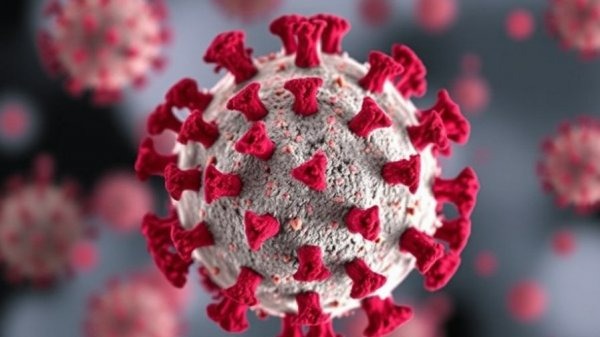
In the aftermath of the global COVID-19 pandemic, a new health concern has emerged for many: long COVID. This condition manifests as a series of lingering symptoms that persist long after the initial infection from the SARS-CoV-2 virus. While some individuals recover in a matter of days, approximately 6% continue to struggle with debilitating symptoms that can last for months or even years. Living with long COVID presents unique challenges, especially for those who travel or work abroad, making it imperative to understand this evolving condition.

Common Symptoms and Their Unpredictable Nature

The symptoms of long COVID are highly variable. They can include fatigue, shortness of breath, cognitive difficulties (often referred to as "brain fog"), joint pain, and psychological effects such as anxiety or depression. Each individual's experience differs significantly; some regain their strength over time while others may see their condition worsen, presenting a constant challenge to manage health throughout their travels or remote work.

Linking Viral Infections and Autoimmune Response

One key area of research currently under investigation is the relationship between long COVID and autoimmune diseases. While long COVID is not classified as an autoimmune condition, scientists are exploring whether the immune system's response to viral infections like COVID-19 may trigger autoimmune reactions in certain individuals. This is particularly concerning for digital nomads who may have had COVID-19 while traveling, exposing them to unknown health risks.

Decoding the Immune System's Response

A significant aspect of long COVID is how it affects the immune system. Under normal circumstances, our immune system is tasked with fighting off infections and maintaining overall bodily health. However, COVID-19 appears to complicate this response, sometimes resulting in excessive inflammation or miscommunication within the immune system. These disruptions might explain the persistence of symptoms and the potential for autoimmune responses.

The Promise of Ongoing Research

Recent discussions at the Autoimmune Association’s 2023 Autoimmune Community Summit focused on how long COVID could potentially affect self-tolerance, the immune system’s ability to avoid attacking the body’s healthy tissues. Dr. Nina Luning Prak emphasized that while the connections between long COVID and autoimmunity are compelling, more research is needed for definitive answers.

Exploring the Autoantibody Link

According to Dr. Akiko Iwasaki’s research at Yale School of Medicine, autoantibodies—which are indicators of autoimmune diseases—have been found in high levels among individuals suffering from long COVID. This suggests a possible avenue for further understanding how COVID-19 might influence autoimmune conditions. For digital nomads, such findings underscore the necessity of monitoring health, especially if they experience ongoing symptoms post-infection.

Practical Steps for Managing Health as a Digital Nomad

For those living a nomadic lifestyle, incorporating health management strategies into daily routines is crucial. Here are some actionable tips:

  • Stay Informed: Keep up-to-date with research related to long COVID and autoimmune diseases to better understand how these conditions may affect you.

  • Listen to Your Body: If you begin experiencing any persistent symptoms post-COVID-19, seek medical advice and consider adjustments to your lifestyle or work routine.

  • Prioritize Ergonomics: Implement ergonomic workspaces to alleviate physical stressors, especially if experiencing fatigue or joint pain is part of your long COVID journey.

  • Maintain a Balanced Diet: Eating well supports immune function and may minimize the impact of any exacerbated symptoms.

  • Connect with Professionals: Network with healthcare providers familiar with the implications of long COVID, particularly for those who travel frequently.

Looking Ahead: What This Means for Future Health Trends

As research continues, the legacy of COVID-19 will likely alter our understanding of viral infections and their long-term effects on health, particularly concerning autoimmunity. For digital nomads, being aware of these evolving health dynamics is critical, as it can lead to informed decisions that enhance well-being while navigating the challenges of both travel and health.

Staying proactive about your health while managing a nomadic lifestyle is paramount. If you or someone you know is dealing with long COVID, consider reaching out to health professionals for tailored advice that meets your specific needs. Understanding the landscape of health post-COVID-19 can empower individuals to advocate for their well-being effectively.


Health

0 Comments

Write A Comment

*
*
Please complete the captcha to submit your comment.
Related Posts All Posts
11.15.2026

Prostate Cancer Research Insights: Understanding Risks and Treatment Options for Digital Nomads

Explore prostate cancer research insights, focusing on disparities, treatment options, and dietary recommendations for digital nomads. Stay informed and proactive!

11.16.2026

Overactive Bladder: Essential Insights for Digital Nomads Managing Health

Explore effective strategies for managing overactive bladder while traveling, with insights on diagnosis and treatment tailored for digital nomads.

11.11.2026

Stay Healthy: What Digital Nomads Need to Know About Pink Eye

Update Understanding Pink Eye: An Essential Guide for Digital Nomads As a digital nomad, maintaining your health while traveling can pose unique challenges. Pink eye, or conjunctivitis, is a common condition that can occur regardless of your location, making it crucial to understand its causes, symptoms, and treatment options. This guide will help you navigate through this eye condition effectively. What is Pink Eye? Pink eye is an inflammation of the transparent membrane (conjunctiva) that covers your eyeball and lines your eyelid. The inflammation can be caused by various factors including infections, allergens, or chemicals. For travelers, the variety of environments and interactions increases the likelihood of exposure. Common Causes of Pink Eye While Traveling Travel often exposes you to new allergens and infections. The most common causes of pink eye include: Viral Infections: Often related to colds or respiratory infections, viral conjunctivitis spreads easily in crowded places, such as airports or cafes. Bacterial Infections: Hands not washed properly after contact with contaminated surfaces can lead to bacterial conjunctivitis, a significant risk in public spaces. Allergens: Dust, pollen, and pet dander can trigger allergic conjunctivitis, especially in new environments. Chemical Irritants: Products like shampoos, facial cleansers, or chlorine in swimming pools can also cause irritation. Symptoms to Watch Being aware of the symptoms can help you identify pink eye early. Common signs include: Redness in the white part of the eye Itchiness or irritation Discharge that forms a crust during the night Increased tears or watering of the eye Light sensitivity Diagnosing Pink Eye If you suspect you have pink eye while on the go, a quick self-assessment might give you insights, but seeing a healthcare professional is essential. They may perform a physical examination and, in some cases, take a sample of eye discharge to determine if it’s viral or bacterial. If you're traveling, seek out a local clinic experienced in treating common travel ailments. Treatment Options: What's Best While Abroad? Many cases of pink eye resolve on their own; however, treatment can alleviate symptoms and prevent complications. Here are some effective strategies: Cold Compresses: Applying a clean cold cloth to the eyelids can reduce discomfort and swelling. Over-the-counter Medications: Antihistamines or artificial tears can relieve symptoms caused by allergies or irritants. Consulting Local Health Services: If bacterial conjunctivitis is suspected, seek a prescription for antibiotic eyedrops, which may be necessary. Prevention Tips for Digital Nomads Staying healthy while traveling involves taking preventative measures against pink eye: Practice Good Hygiene: Regularly wash your hands, avoid touching your face, and ensure that personal items such as towels and pillowcases remain clean. Limit Contact with Irritant Sources: Be cautious in environments with high levels of dust or chemicals, and use protective eyewear if necessary. Manage Allergies: Keep allergy medications handy to mitigate symptoms and avoid triggers while traveling. Conclusion: Prioritizing Eye Health Around the World As you continue your journey as a digital nomad, don’t overlook the importance of eye health in your wellbeing. Knowing how to recognize and treat pink eye can help you stay focused on your work and leisure without unnecessary distractions. If you experience any symptoms, take them seriously and seek assistance as needed, so you can maintain your active lifestyle. Remember, your health is your wealth when exploring new cultures and horizons!

Terms of Service

Privacy Policy

Core Modal Title

Sorry, no results found

You Might Find These Articles Interesting

T
Please Check Your Email
We Will Be Following Up Shortly
*
*
*