


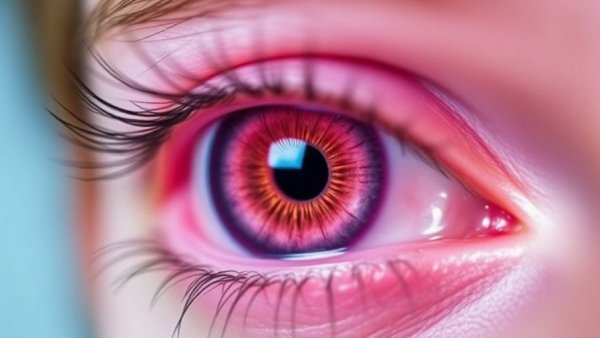
Understanding Pink Eye: An Essential Guide for Digital Nomads
As a digital nomad, maintaining your health while traveling can pose unique challenges. Pink eye, or conjunctivitis, is a common condition that can occur regardless of your location, making it crucial to understand its causes, symptoms, and treatment options. This guide will help you navigate through this eye condition effectively.
What is Pink Eye?
Pink eye is an inflammation of the transparent membrane (conjunctiva) that covers your eyeball and lines your eyelid. The inflammation can be caused by various factors including infections, allergens, or chemicals. For travelers, the variety of environments and interactions increases the likelihood of exposure.
Common Causes of Pink Eye While Traveling
Travel often exposes you to new allergens and infections. The most common causes of pink eye include:
- Viral Infections: Often related to colds or respiratory infections, viral conjunctivitis spreads easily in crowded places, such as airports or cafes.
- Bacterial Infections: Hands not washed properly after contact with contaminated surfaces can lead to bacterial conjunctivitis, a significant risk in public spaces.
- Allergens: Dust, pollen, and pet dander can trigger allergic conjunctivitis, especially in new environments.
- Chemical Irritants: Products like shampoos, facial cleansers, or chlorine in swimming pools can also cause irritation.
Symptoms to Watch
Being aware of the symptoms can help you identify pink eye early. Common signs include:
- Redness in the white part of the eye
- Itchiness or irritation
- Discharge that forms a crust during the night
- Increased tears or watering of the eye
- Light sensitivity
Diagnosing Pink Eye
If you suspect you have pink eye while on the go, a quick self-assessment might give you insights, but seeing a healthcare professional is essential. They may perform a physical examination and, in some cases, take a sample of eye discharge to determine if it’s viral or bacterial. If you're traveling, seek out a local clinic experienced in treating common travel ailments.
Treatment Options: What's Best While Abroad?
Many cases of pink eye resolve on their own; however, treatment can alleviate symptoms and prevent complications. Here are some effective strategies:
- Cold Compresses: Applying a clean cold cloth to the eyelids can reduce discomfort and swelling.
- Over-the-counter Medications: Antihistamines or artificial tears can relieve symptoms caused by allergies or irritants.
- Consulting Local Health Services: If bacterial conjunctivitis is suspected, seek a prescription for antibiotic eyedrops, which may be necessary.
Prevention Tips for Digital Nomads
Staying healthy while traveling involves taking preventative measures against pink eye:
- Practice Good Hygiene: Regularly wash your hands, avoid touching your face, and ensure that personal items such as towels and pillowcases remain clean.
- Limit Contact with Irritant Sources: Be cautious in environments with high levels of dust or chemicals, and use protective eyewear if necessary.
- Manage Allergies: Keep allergy medications handy to mitigate symptoms and avoid triggers while traveling.
Conclusion: Prioritizing Eye Health Around the World
As you continue your journey as a digital nomad, don’t overlook the importance of eye health in your wellbeing. Knowing how to recognize and treat pink eye can help you stay focused on your work and leisure without unnecessary distractions. If you experience any symptoms, take them seriously and seek assistance as needed, so you can maintain your active lifestyle. Remember, your health is your wealth when exploring new cultures and horizons!




Write A Comment