


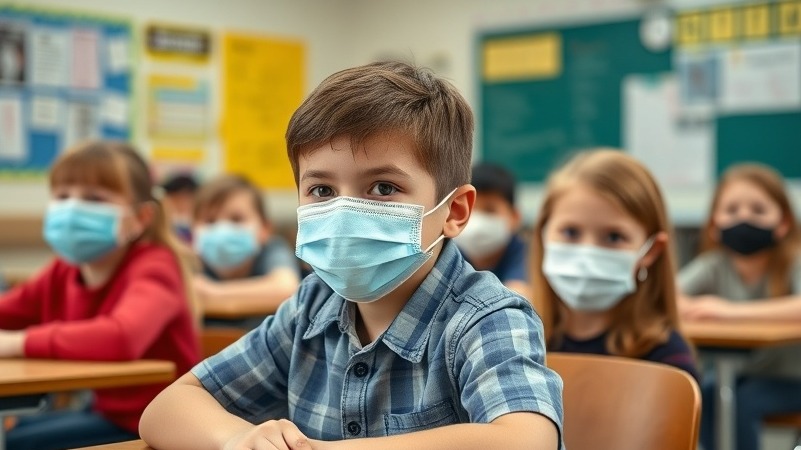
Understanding the Importance of Infection Control in Schools
Infections can ripple through school systems, affecting not just student health but also educational outcomes. K-12 schools are often the backdrop for various common infectious diseases that could lead to absenteeism. As digital nomads seek educational opportunities worldwide, understanding the measures to prevent infections becomes crucial. This is especially the case as learners interact in various environments that differ significantly from their home countries.
New Guidance for Schools: A Unified Strategy
The CDC's recently updated guidance presents a holistic approach, simplifying previous recommendations and unifying strategies throughout K-12 settings. The emphasis is on promoting health through everyday practices. Educational institutions are encouraged to foster environments where students feel safe and healthy, ensuring optimal attendance. This can be challenging for digital nomads traveling with young families, necessitating awareness of local infection control policies and practices.
Everyday Actions Schools Can Implement
Schools can encourage everyday actions to prevent the spread of infections. Simple yet effective strategies, such as promoting hand hygiene and respiratory etiquette, change student behavior positively. Digital nomads working and studying in various global contexts should advocate for schools to reinforce these practices, even when moving from one region to another.
Supporting Communication and Inclusiveness in Health Initiatives
Clear and consistent communication is essential for the effective implementation of infection prevention strategies. Schools must ensure information is accessible to diverse populations, including non-native speakers and individuals with disabilities. By prioritizing inclusive communication, schools can engage parents, caregivers, and staff alike in promoting a health-centric school environment. Digital nomads should consider schools that excel in communication strategies as part of their decision-making process when choosing destinations.
The Role of Parents and Caregivers
The CDC emphasizes the shift towards involving parents and caregivers in infection control efforts. Parents can assist by ensuring that children follow health guidelines and understand the importance of hygiene in school settings. Furthermore, digital nomads can play a crucial role by creating connections within school communities while advocating for health-promoting behaviors. For instance, they could volunteer in health initiatives or share tips for maintaining cleanliness as a family on the move.
Action Steps for Schools and Communities
1. Develop Emergency Plans: Schools need emergency operations plans with sections explicitly addressing infectious diseases. This prevents disruption during outbreaks and ensures that students receive the education they need. Digital nomads can assess how schools prepare for health crises when relocating.
2. Collaborate with Local Health Departments: Working closely with health partners strengthens community ties and enhances prevention strategies.
3. Encourage Cleanliness: Schools should prioritize cleanliness throughout the premises and provide COVID-19 vaccinations to eligible populations, reducing overall transmission.
Conclusion: Prioritize Health in K-12 Settings
For digital nomads, understanding health strategies in schools will create a safer environment for their families. By fostering communication and collaboration in schools, parents and caregivers ensure that the emphasis remains on health and wellness. It is essential to research and engage with local health initiatives wherever families find themselves located. Staying informed will ensure that students receive quality education while maintaining their health. To stay updated, parents and caregivers should look into resources available from reliable health authorities.




Write A Comment