


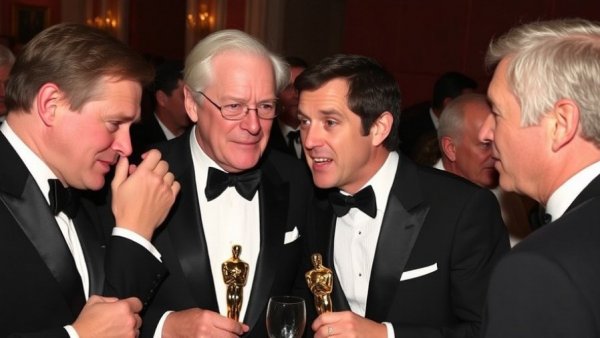
Hollywood's Unique Honorary Oscars: A Thought-Provoking Affair
Every year, the Governors' Awards invite Hollywood's elite, but this year's gathering revealed more than just star power. With stars like Glenn Close and John Malkovich visibly emotional amidst the festivities, the spotlight unexpectedly gravitated towards the socially awkward yet charming documentarian, Nathan Fielder. His seemingly mundane presence eclipsed the illustrious legacy of seasoned actors, prompting discussions about the changing landscape of celebrity engagement.
As the crowd milled around before the ceremony, an air of informal camaraderie filled the dimly lit Ray Dolby Ballroom. The initial ambiance of the night felt akin to a school reunion, with social cliques echoing the hierarchy usually reserved for the Oscars. While stars like Timothée Chalamet and Zendaya engaged effortlessly, newcomers such as filmmaker Curry Barker nervously pondered over introductions to industry giants. They were keenly aware of the significance of this gathering—it's an event where the veterans recognize the new wave of talent emerging from Hollywood.
Exploring the Significance of the Governors' Awards
The Governors' Awards, unlike the high-stakes, televised Academy Awards, spotlight individuals whose contributions to cinema often go unrecognized. Among the honorees this year was Glenn Close, whose eight Oscar nominations highlight both her talent and the persistent challenge of recognition in Hollywood. The absence of a win, despite her remarkable career, serves as a commentary on the complexities of success and recognition within the film industry.
The event highlights not just achievements but also the transformative nature of filmmaking. This year’s honorees include pioneering figures like Floyd Norman, Disney’s first Black animator, underscoring the strides toward diversity in the industry. Recognizing such individuals invites reflection on how far Hollywood has come and the importance of inclusivity in future narratives.
Emotional Connections: Stars and Their Stories
Glenn Close's tears and John Malkovich's visible emotion struck a chord, reminding attendees of the vulnerability that accompanies artistic expression. These moments foster deeper connections among stars, showing the humanity behind the glamorous façade. Every tear shed was emblematic of not just personal stories but a collective journey through the complexities of fame, expectation, and artistry.
A Night to remember: Fielder's Quiet Influence
Amidst the traditional celebratory atmosphere, Nathan Fielder's understated demeanor resonated with the crowd. His genuine interactions contrasted sharply with the high-energy exchanges of Hollywood's usual acclaim. Fielder's authenticity perhaps mirrors a broader trend in film and social engagement—one that favors realness and relatability over regality and aloofness.
This shift becomes significant for filmmakers and audiences alike, suggesting that the artistic landscape is evolving. Fielder's quiet yet engaging presence serves as a lesson: while societal structures may dictate who gets attention, it is authenticity that binds us and fosters real discussions about art and its impact.
Valuing Diversity in Storytelling and Recognition
The event showcased achievements across various genres and backgrounds, offering hope for a more inclusive future in cinema. The recognition of independent filmmakers and diverse voices indicates a cultural shift towards valuing stories from multiple perspectives, which is crucial as viewers seek authenticity and representation in film.
As digital nomads and global travelers explore these narratives, they contribute to a more profound appreciation for culture. Understanding cinematic history intertwines with the quest for genuine tales that resonate beyond typical studio offerings.
What This Means for Future Gatherings
The emotional gravity of the Governors' Awards suggests a future where acknowledgment transcends mere trophies. Industry stakeholders could benefit from fostering connections similar to those witnessed this year, breaking down barriers between generations of talent. Perhaps it’s time for a shift towards recognizing not just career achievements but the narratives behind them—a celebration that represents the heart of cinema.
Conclusion: Celebrating Cinema's Heart
The Governors' Awards stand as a testament to the multifaceted nature of Hollywood. They remind us that the real stories, often laced with tears of joy and struggle, are as important as the accolades. As we embrace this culture of recognition, let us encourage a dialogue that honors the authenticity in storytelling, paving the way for future cinematic explorations.



Write A Comment