


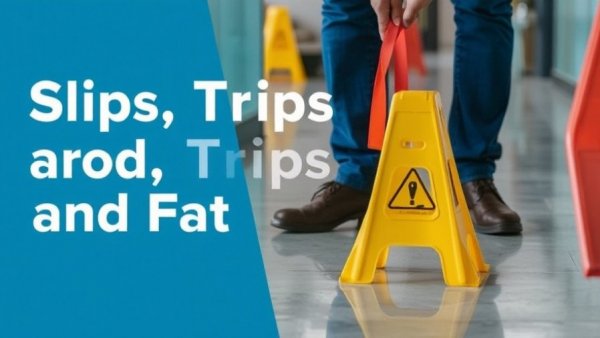
Understanding Slips, Trips, and Falls: A Common Workplace Hazard
For digital nomads working remotely across diverse environments, slips, trips, and falls can pose significant risks to health and safety. These hazards often stem from uneven surfaces, poor lighting conditions, or cluttered workspaces. According to the National Safety Council, fall injuries account for almost one-third of all work-related injuries in the United States. Understanding these risks is crucial for those who spend significant time abroad.
Key Statistics to Consider
When discussing slips, trips, and falls, it's essential to recognize the impact they have on the workforce. Reports show that falls lead to substantial medical costs, affecting not only the affected individuals but also the productivity and reputation of businesses and freelancers. More than 800,000 patients are hospitalized annually due to a fall injury, with many suffering from head injuries or hip fractures, making preventive measures imperative for remote workers.
Practical Ergonomic Tips to Prevent Falls
To mitigate the risk of falls in various settings, digital nomads can implement several ergonomic strategies:
- Choose Stable Work Surfaces: Select tables and desks that are sturdy. Avoid makeshift workstations where the risk of wobbling and losing balance is heightened.
- Maintain Cleanliness: Keeping the area decluttered prevents tripping hazards. Make it a habit to tidy up your workspace daily.
- Ensure Proper Lighting: Poor visibility can lead to accidents. Opt for bright, adjustable lights in your workspace to help spot potential hazards.
Adapting Your Environment
As an ergonomics specialist, I advise adjusting your workstation to fit your physical needs. Points to consider include:
- Chair Height: Ensure your chair allows your feet to rest flat on the ground while maintaining a 90-degree angle at your knees.
- Screen Placement: Your computer screen should be at eye level to prevent straining your neck and maintaining balance.
- Footwear: Wearing appropriate shoes that provide adequate support is key to reducing slips, especially on smooth surfaces.
Future Trends in Workplace Safety
Innovations in Technology: With the rise of technology, smart workplace solutions are increasingly being integrated to mitigate fall risks. Smart sensors can monitor surfaces for hazards like spills and alert the user to potential dangers.
Remote Training Programs: As digital nomadism grows, so does the necessity for online training in workplace safety. New platforms are emerging that focus on teaching proper ergonomic practices and fall prevention strategies tailored to remote workers.
Emotional Impact of Falls
While often overlooked, the emotional consequences of falling can be profound. The fear of falling again can lead to decreased activity levels, impacting overall health and fitness. For digital nomads who thrive on movement and exploration, maintaining physical confidence is paramount. Therefore, prioritizing fall prevention is not just about physical safety, but also about emotional well-being.
Conclusion: Take Action for Yourself
Staying safe while embracing the excitement of remote work across varying landscapes is crucial for any digital nomad. By adopting ergonomic practices and being aware of potential hazards, you can significantly reduce your risk of slips, trips, and falls. Empower yourself with the knowledge and tools necessary for a safer work experience abroad. Stay fit, stay active, and prioritize your health!




Write A Comment