cropper
update

{COMPANY_NAME}

Digital Nomad Weekly logo
update
  • Home
  • Categories
    • Productivity
    • Health
    • Packing
    • Food
    • Wellness
    • Workspaces
    • Culture
November 25.2026
3 Minutes Read

Cutaneous Larva Migrans Explained: What Digital Nomads Should Know

Cutaneous Larva Migrans Explained: What Digital Nomads Should Know

Understanding Cutaneous Larva Migrans: A Hidden Danger

Cutaneous larva migrans (CLM), often referred to as creeping eruption, is a parasitic skin infection caused by larvae of hookworms. These larvae primarily find their way to humans through warm, moist soil, sand, or contaminated environments. For digital nomads who frequently travel to tropical or subtropical regions - where CLM is most prevalent - understanding this infection is crucial for maintaining health and comfort while abroad. Being aware of the risks associated with various environments can help make informed choices that keep you safe.

Transmission and Symptoms of CLM

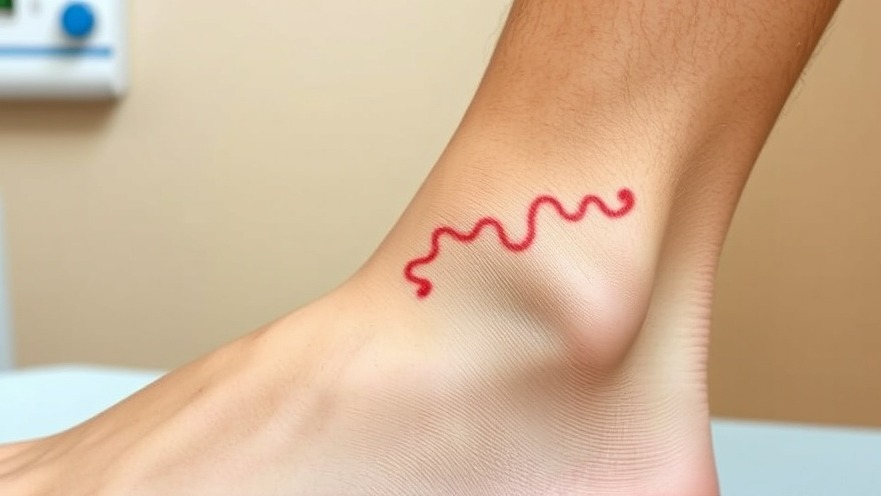
When exposed to contaminated soil, larvae penetrate the skin, leading to reddish, itchy tracks as they migrate just beneath the surface. The infection is commonly seen in travelers who walk barefoot on infected beaches or soil. The larvae will not typically mature into adult worms in the human body; instead, they will create a localized infection manifesting as raised, serpentine tracks. These visible marks can cause discomfort and may last several weeks. Some travelers report symptoms such as swelling, extreme itching, and allergic reactions; therefore, early recognition is critical.

Precautionary Measures for Travelers

For those who embrace the nomadic lifestyle, staying fit and healthy while exploring new cultures is a priority. Here are several effective strategies to prevent CLM:

  • Wear Protective Footwear: Always wear shoes or sandals, especially in sandy or grassy areas. Staying cautious minimizes direct contact with contaminated surfaces.

  • Avoid Infected Areas: Steer clear of locations known for hosting hookworm larvae whenever possible. Ask locals for guidance on safe areas to explore.

  • Practice Good Hygiene: After spending time outdoors, wash feet and legs thoroughly. Showering after beach or outdoor excursions can help remove any larvae before they penetrate the skin.

  • Stay Informed: Know the areas that are prone to parasitic infections, especially if you're indulging in local swimming spots. Researching safe destinations in advance can lead to a more enjoyable experience.

The Zoonotic Aspect of CLM

CLM isn’t just a concern for humans; it highlights the broader context of zoonotic diseases—those that can be transmitted between animals and humans. Understanding this connection is vital for digital nomads who may be exposed to local wildlife or domestic pets. According to research, zoonotic diseases account for over half of all emerging infectious diseases globally, posing risks not only to public health but also to daily activities and tourism in affected regions. As a digital nomad, it’s essential to be aware of zoonotic risks, especially when interacting with animals in foreign countries.

Recognizing and Treating CLM

Recognizing the symptoms of CLM promptly is essential for effective treatment. Diagnosis can often be confirmed through a visual examination of the skin. Treatment typically includes antiparasitic medications, which should be administered under the guidance of a healthcare provider. Travelers should know how to locate local healthcare facilities and ensure they have access to necessary medications while on the road. It can be beneficial to have a basic first aid kit that includes treatments for skin irritations and local health contacts saved in your phone.

Broader Implications of Zoonotic Diseases

The impact of zoonotic diseases extends beyond physical health, affecting economic conditions and tourism. Outbreaks of infections can lead to significant trade restrictions and healthcare expenditures. For instance, an outbreak can reduce tourist footfall, impacting local economies reliant on visitors, which is particularly relevant for nomads who often frequent such regions. Nomads should be aware of local health guidelines and regulations, especially if traveling in groups or visiting remote areas where healthcare access may be limited.

Conclusion: Stay Vigilant While Traveling

In conclusion, cutaneous larva migrans serves as a reminder for digital nomads about the importance of vigilance against zoonotic infections while traveling abroad. By being informed, practicing good hygiene, and wearing protective gear, travelers can enjoy their adventures while minimizing health risks. The world offers endless exploration opportunities, but safeguarding health must always be a priority. Always remember to seek local health resources and prioritize well-being on the road. Taking these proactive measures can ensure that your travels are memorable for all the right reasons, free from the burdens of preventable infections.

Health

0 Comments

Write A Comment

*
*
Please complete the captcha to submit your comment.
Related Posts All Posts
11.24.2026

Discover How Understanding the Brain and Nervous System Can Enhance Your Health

Update The Role of the Brain and Nervous System in Daily Life Staying fit and maintaining health are top priorities for digital nomads who often juggle traveling and working remotely. Understanding the brain and nervous system's roles in our daily functioning provides insight into how to enhance our overall well-being. The brain, often referred to as the body’s central computer, governs not just our thoughts and feelings but also our body’s involuntary processes, such as digestion and heart rate. For digital nomads, knowing how these systems operate can encourage them to take better care of themselves while on the go. How the Brain Influences We Make Healthy Choices Every choice we make, whether it's selecting a nutritious meal or opting for a leisurely stroll instead of sitting, has its roots in brain activity. Specific regions of the brain, predominantly within the cerebrum, dictate our decision-making processes. The frontal lobe, responsible for cognitive functions and impulse control, plays a critical role when deciding to maintain a healthy lifestyle. Therefore, understanding the structure of the brain can empower digital nomads to actively engage in healthier habits, even while traveling. Feeling Good by Knowing Your Nervous System The nervous system, comprising the central nervous system (CNS) and peripheral nervous system (PNS), forms the vast network through which our thoughts and physical reactions transit. For digital nomads, it can be particularly beneficial to recognize how stressors and changes in the environment affect health. The CNS, which includes the brain and spinal cord, processes all information received through our senses. This means that external conditions—like time zone changes or variations in diet—can significantly impact physical and mental health. Packed and Prepared: Understanding Your Body’s Alerts Knowing how the body relays messages through the nervous system helps nomads stay prepared for the changes that traveling brings. For instance, during periods of hunger, the nerves in the intestines alert the brain, which accordingly incites feelings of fullness. If travelers are unaware of these operations, they may ignore their body's hunger cues, leading to overindulgence or poorly timed meals. Understanding these urges aids in balanced eating habits, which is key to maintaining energy dynamics and overall health. Building Resilience: Strategies for Mental Health As travel can also be physically taxing, it’s crucial for nomads to manage their mental health effectively. The brain’s emotional regulation capabilities may inform how one can develop resilience through mindfulness practices and mental exercises. Techniques like meditation can reinforce neural pathways responsible for relaxation, directly impacting stress management. Learning to recognize the brain's signals about stress or anxiety is vital in forming coping strategies, thus enhancing the experience of working while traveling. Putting it all Together: Healthy Travel Tips for Nomads Incorporating knowledge about the brain and nervous system into daily routines leads to improved health outcomes. Here are actionable insights: Establish a Routine: Stick to regular meal times to support your body’s natural rhythms. Practice Mindfulness: Engage in meditation or yoga to foster mental clarity and emotional balance. Stay Active: Choose to walk or cycle when exploring new places to elevate heart health. Hydrate Well: Drink plenty of water to maintain energy levels and cognitive clarity. Be Aware of Stressors: Identify environmental triggers affecting your mental state and adjust accordingly. With this understanding, digital nomads can better navigate their unique challenges, balancing work and wellness as they explore the world. If you're a digital nomad looking to maintain your health while traveling, consider incorporating these insights into your daily life. Not only will this improve your physical fitness, but it will also empower your mind, allowing you to thrive in every environment.

11.21.2026

Why Digital Nomads Should Prioritize Heart Health: Essential Insights

Explore heart health for digital nomads with practical tips for staying fit, healthy eating, and managing wellness while traveling.

11.20.2026

Stay Active and Prevent Falls: Essential Tips for Digital Nomads

Discover effective ways to prevent slips, trips, and falls while working remotely. Explore ergonomic practices and safety strategies for digital nomads.

Terms of Service

Privacy Policy

Core Modal Title

Sorry, no results found

You Might Find These Articles Interesting

T
Please Check Your Email
We Will Be Following Up Shortly
*
*
*