


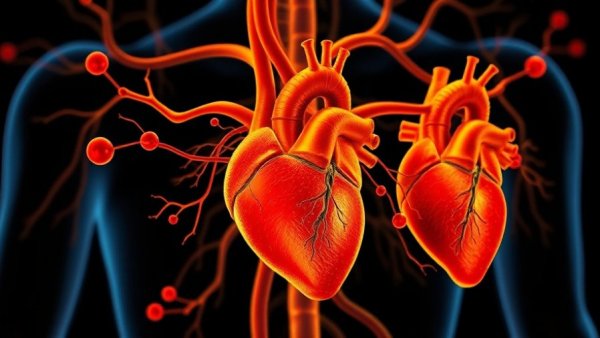
Understanding the Heart: The Core of Wellbeing
The heart is not just a muscular pump located in our chest – it’s the lifeline of our body, tirelessly beating about 60 to 100 times per minute. Each beat is crucial, as it circulates oxygen-rich blood throughout our body, providing essential nutrients to our organs and tissues. This cycle, in which blood travels to the lungs for oxygen and then returns to the heart to be pumped out again, is fundamental for maintaining overall health.
The Anatomy of the Heart
The heart is divided into four chambers—two upper chambers known as the atria and two lower chambers called the ventricles. The right atrium receives deoxygenated blood from the body and sends it to the right ventricle, which then pumps it to the lungs. Meanwhile, the left atrium receives oxygen-rich blood from the lungs before it is pushed into the left ventricle, which distributes it across the body. Valve systems, such as the tricuspid, mitral, pulmonary, and aortic valves, play an essential role in ensuring that blood flows in the correct direction.
Control of Heartbeat: The Electrical System
Have you ever wondered how your heart knows when to speed up or slow down? The heart's rhythm is controlled by electrical signals generated by specialized tissues like the sinus node, often referred to as the heart's pacemaker. This intricate system adjusts the heartbeat based on various factors, such as physical exertion or rest, ensuring that your body receives the appropriate oxygen levels depending on its needs.
Why Should Digital Nomads Care about Heart Health?
For digital nomads, maintaining heart health is vital, especially as lifestyle changes can lead to increased sedentary behavior or poor eating habits. Understanding your heart's function and taking active steps to care for it—such as regular exercise and a balanced diet—can significantly impact your wellbeing on the go. Whether you're working from a café in Paris or remote co-working space in Bali, incorporating heart-healthy habits into your daily routine can make a difference.
Simple Actions for Heart Care
Caring for your heart doesn’t have to be complicated. Here are some effective tips for digital nomads:
- Move Regularly: Aim for at least 30 minutes of moderate exercise most days of the week. Incorporate walking breaks during your work hours to prevent prolonged sitting.
- Eat Mindfully: Choose fresh, whole foods when possible. Focus on incorporating fruits, vegetables, whole grains, and lean proteins into your meals, especially when traveling.
- Stay Hydrated: Drinking enough water can help prevent fatigue and ensure optimal body function, incorporating hydration into your daily habits.
- Manage Stress: Practice mindfulness techniques, such as meditation or yoga, to alleviate stress, which can negatively impact heart health.
Understanding Common Heart Health Misconceptions
It’s important to dispel common myths about heart health. For instance, many people think only older adults need to worry about heart conditions. However, heart diseases can affect individuals of all ages—especially those who lead an unhealthy lifestyle. Understanding these misconceptions allows nomadic workers to adopt preventative habits early on.
Conclusion: Take Control of Your Heart Health
Maintaining heart health is essential for everyone, and digital nomads are no exception. By understanding how your heart works and implementing simple lifestyle changes, you can safeguard your health while enjoying your travels. Explore new environments but don’t forget to take care of your cardiovascular health!



Write A Comment