


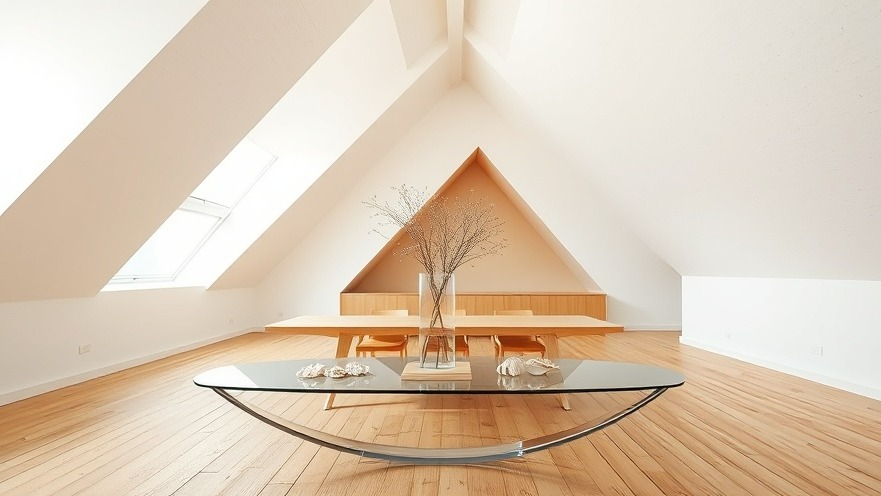
Exploring Mesoamerican Modern Architecture: A Blend of Ancient and Contemporary
In the realm of architectural innovation, Mexican architects are brilliantly amalgamating ancient Mesoamerican principles with modern design techniques. This fascinating synthesis, highlighted in Mesoamerican Modern: Ancient Ideas in Contemporary Mexican Homes by curator Su Wu, showcases how traditional elements are reinvigorated within today's residential architecture.
Understanding the Significance of Mesoamerican Modern Design
Su Wu emphasizes a critical philosophy in her work that the monumental aspects of Mesoamerican architecture did not cease with colonization; they continue to inspire contemporary designs. Instead of isolating these historical references, modern homes now reflect the cultural aesthetics, materials, and techniques that have transcended eras, thereby offering not just shelter but also storytelling through architecture. Indeed, this modern approach amplifies the relevance of traditional aesthetics in our fast-paced world.
Highlighting Iconic Examples of Innovation
Wu’s book discusses five distinct residences that embody this unique architectural direction. Each project reflects underlying principles while integrating features like courtyards, which are intrinsic to Mesoamerican design and promote a connection with nature:
Casa Amalia by Agustín Hernández (1973) - This extraordinary home embraces the convex forms inspired by seashells and Mesoamerican ocular motifs, illustrating how geometric shapes can yield natural beauty.
Casa Mobius by Ernesto Gómez Gallardo (1974) - Characterized by a Möbius strip shape, this design reshapes the concept of space with its unconventional forms and a fluid layout, demonstrating an innovative approach to home design.
Casa Terreno by Fernanda Canales (2018) - Situated in Estado de Mexico, this structure adeptly incorporates multiple patios that enhance the home’s livable space while fostering a dialogue between inside and outside.
Why This Matters to Digital Nomads
For digital nomads, these contemporary homes are more than just visually stunning; they represent a fusion of comfort, efficiency, and creativity. Each residence highlights principles of ergonomic design, essential for creating productive remote workspaces. By utilizing natural light, open layouts, and engaging outdoor spaces, these homes promote well-being, stimulate creativity, and ultimately improve wellness—crucial elements for anyone working from home.
Future Trends in Mesoamerican Architecture
As the world leans towards sustainable practices and designs that respect cultural heritage, we can anticipate more innovative adaptations that balance modern needs with historical significance. Architects will increasingly explore designs that embrace eco-friendly materials, efficient energy use, and an integration of the natural environment, fostering a lifestyle that nurtures well-being and productivity.
Practical Applications for Your Workspace
Emulating the Mesoamerican emphasis on light and openness can enhance your productivity as a digital nomad. Consider these ergonomic tips:
Incorporate ample natural light by positioning your workspace near windows or creating an open layout.
Create a sense of space by decluttering and allowing for movement, akin to the patios used in Mesoamerican design.
Utilize natural materials like wood or stone to create a calming ambiance in your workspace.
Conclusion: Embrace Inspired Design
By exploring these five examples of Mesoamerican modern architecture, we can glean insights that inform and enhance our own workspaces. The fusion of ancient wisdom with modern techniques not only honors cultural heritage but also encourages more efficient and comfortable environments for remote work. If you’re seeking to create your ideal workspace, consider how these principles can be applied in your own home.

Write A Comment