


Unlocking the Potential: Bianni's Story
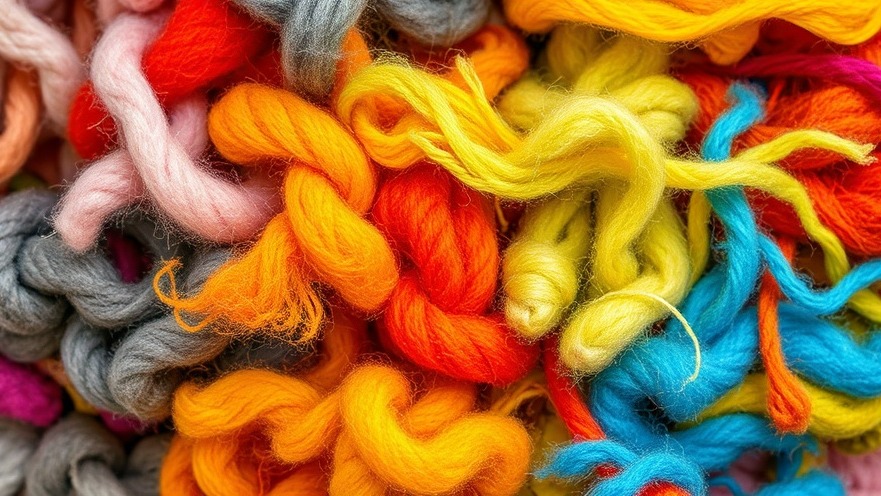
In a world increasingly conscious of sustainability, Arudeko, a Mexican design studio, has unveiled Bianni, an innovative paper-like material crafted from colorful waste wool. This groundbreaking project not only embraces eco-friendly practices but also champions the cultural heritage of local artisans in Teotitlán del Valle, a region renowned for its weaving traditions. Bianni transforms surplus materials from handmade carpets and cushions into a versatile fabric that can serve multiple purposes, from lampshades to decorative room dividers.
The Art Behind Bianni: A Fusion of Techniques
The creation of Bianni is a testament to traditional craftsmanship and modern design. Local artisans meticulously weave discarded dyed wool using pedal looms, intertwining it with strips of recycled paper produced by local papermakers. This unique process results in a translucent and flexible textile, bringing new life to wool that might otherwise go to waste. The design approach emphasizes minimalism—no additives are used, allowing the natural qualities of the wool to shine while ensuring practicality, such as fire resistance for lighting applications.
Cultural Significance and Community Impact
Denisse Arnaiz, co-founder and CEO of Arudeko, articulates the philosophy behind Bianni: “This wool carries within it the knowledge of the artisans who work with it.” This statement underlines the project’s commitment to preserving cultural memory, acknowledging the artisanal legacy embedded in each fiber. The studio's dedication to supporting the local community extends beyond craftsmanship. By keeping the production local, Arudeko aims to reduce carbon footprints while fostering sustainable economic development. This not only benefits artisans but also nurtures community ties, ensuring that traditional skills are not lost but rather evolved in contemporary contexts.
Eco-Friendly Design: A Sustainable Approach
The environmental considerations of Bianni's production echo broader trends in sustainable design. With water consumption and carbon dioxide output minimized, Arudeko’s initiative stands as a model for eco-conscious strategies within the design community. This aligns with global movements pushing for responsible consumption, highlighting that innovation doesn't have to come at the expense of our planet.
Applying Bianni in Remote Workspaces
For digital nomads striving to create functional and aesthetically pleasing remote workspaces, Bianni offers an exceptional solution. Imagine customizing your workspace with unique lampshades or partitional space dividers that not only serve a functional purpose but also showcase sustainable design. Integrating Bianni into your environment can foster a vibrant workspace that enhances both productivity and well-being. The translucency of Bianni allows light to play with colors, creating a visually dynamic atmosphere conducive to creativity.
Making Informed Choices: The Future of Design and Sustainability
As we navigate the complexities of modern living and working environments, choices made today impact our surroundings tomorrow. Bianni exemplifies how merging design with sustainability can lead to impactful solutions. As a digital nomad, incorporating such elements into your workspace not only reflects personal values but also supports broader environmental goals. By opting for materials that prioritize sustainability and community welfare, you contribute to a culture that respects both artisanship and ecological responsibility.
Bianni is more than just a product; it's a conversation starter about the intersection of art, sustainability, and workspace ergonomics. Understanding the story behind such materials can empower individuals to make informed decisions in their purchasing habits, encouraging a greater appreciation for cultural heritage and environmental stewardship.
If you're curious to learn more about designing a workspace that exemplifies comfort, efficiency, and sustainability, explore the innovative options like Bianni. Enhance your environment while supporting artisans and preserving our planet's future.


Write A Comment