


The Innovative Approach to Art Accessibility
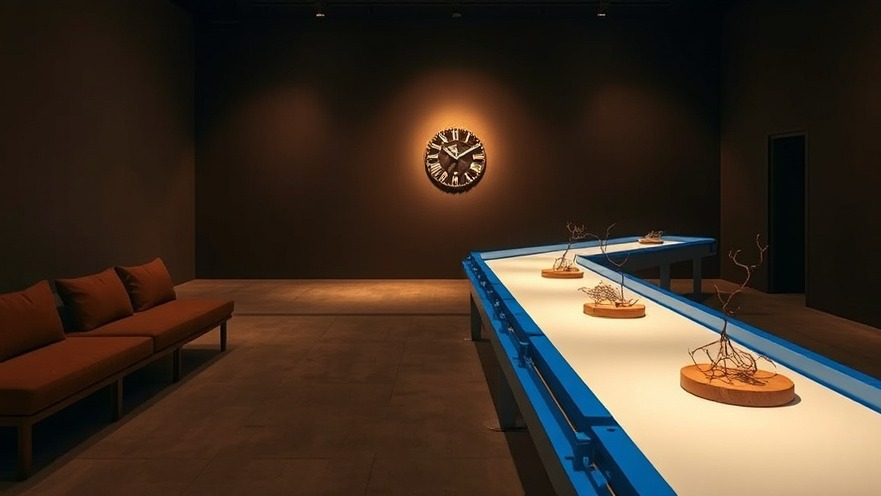
Finnegan Shannon's installation at Pioneer Works in Brooklyn sets a new standard for how art can be enjoyed by everyone, especially those with disabilities. By using a conveyor belt—a concept typically associated with sushi restaurants—Shannon transforms the viewing experience into something more comfortable and accessible. This installation not only addresses the physical needs of visitors but also offers a fresh perspective on how exhibition spaces can evolve.
The conveyor belt itself runs for 12 feet, creating a closed-loop that allows visitors to engage with artworks while seated on nearby chairs. This setup promotes comfort, allowing viewers to appreciate art without the typical strain often felt in traditional gallery environments. Shannon, diagnosed with cerebral palsy, highlights the importance of making art accessible, emphasizing that comfort can significantly enhance the enjoyment of art.
Interdependence in Art Spaces
Shannon's installation, aptly titled "There’s No Me Without You," emphasizes a deeper philosophical view of interdependence—not only among the disabled community but within the entire ecosystem of art creation. “If disabled people were in charge, we would have a bunch of varied and deluxe options for sitting and lying down in exhibition spaces,” Shannon says, pointing out a systemic gap in accessibility within cultural venues.
This thoughtful commentary resonates with many who have frequented galleries but felt their experience was hindered by inadequate seating or support. As Shannon states, “putting together an exhibition takes immense collaboration and support,” showcasing that art creation is inherently reliant on collective effort and mutual assistance.
A New Way to Engage with Art
The conveyor belt not only serves as a tool for viewing art but also asks visitors to interact with the pieces in new ways. Each tray on the conveyor belt presents not only visual art but also archival materials and multimedia, transforming the passive experience of viewing into an active engagement through touch, sound, and sight. This shift is essential in making art more inclusive, especially for individuals who may require alternative methods of interaction.
By hosting works from fellow artists with disabilities such as Joselia Rebekah Hughes and Ariana Martinez, the installation champions diverse voices within the artistic community, enhancing representation and visibility. Art is not just to be seen; it is to be experienced on multiple levels, as Shannon's project masterfully illustrates.
Future Implications for Workspaces and Beyond
This installation can serve as a model for future workspace designs, especially for digital nomads striving for comfort and efficiency in their remote work environments. Just as Shannon advocates for varied seating options and accessibility in art, the design of workspaces must prioritize comfort and health.
Incorporating adjustable desks, ergonomic seating, and comfortable resting areas can significantly impact productivity and well-being. The urgency to rethink workspace design echoes Shannon’s call for broader accessibility—enabling all individuals to perform at their best, whether in a gallery or a home office.
Take Action: Redesign Your Workspace
Inspired by Shannon's innovative approach to accessibility in art, consider how you can transform your remote workspace into a haven of comfort and productivity. Evaluate your seating options, invest in ergonomic equipment, and implement thoughtful design elements that allow you to work comfortably for longer periods. By fostering an accommodating environment, you promote not only personal well-being but also contribute to a cultural shift that prioritizes inclusivity across all spaces.

Write A Comment